Introduction
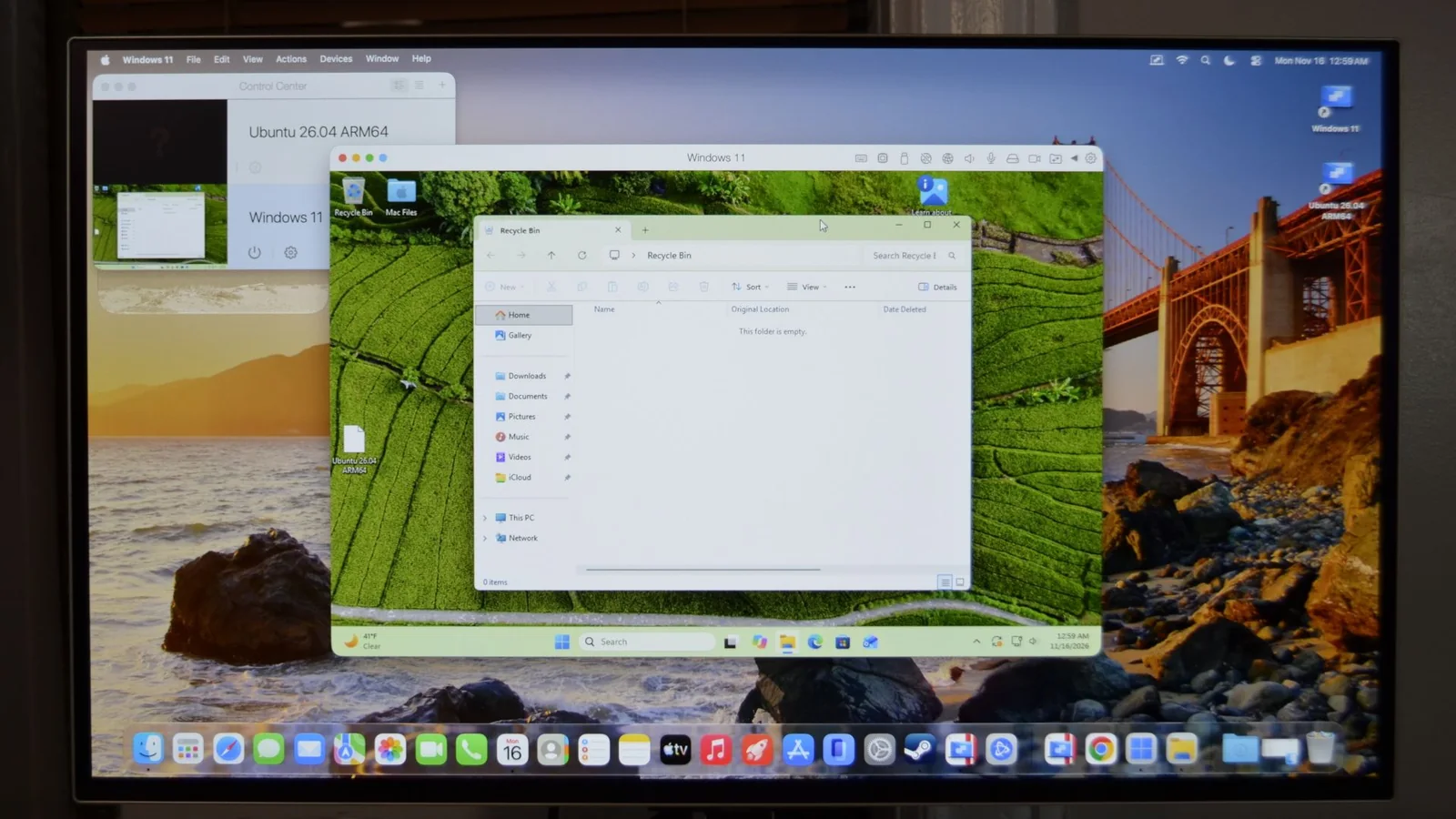
For professionals who rely on macOS but require access to Windows-only software, virtualization is often a necessity. Parallels Desktop 27 serves as a bridge, allowing users to run Windows environments directly within their existing Apple workstation workflow.
This version introduces significant architectural updates, including a rewritten graphics pipeline for the Apple Metal API and long-awaited OpenGL 4.3 support. The software has also transitioned to being exclusively for Apple Silicon, marking a clear departure from legacy Intel-based hardware.
Despite the shift toward a subscription-based model for premium features, Parallels Desktop 27 remains the most polished and reliable method for hosting guest operating systems on a Mac.
Parallels Desktop 27 Pricing
The software is divided into four distinct tiers: Standard, Pro, Business, and Enterprise. The Standard plan offers both annual subscription and perpetual license options, while higher tiers require an annual commitment.
The Standard plan is sufficient for basic productivity, though it restricts users to four virtual CPU cores and 8GB of virtual RAM. Pro and Business tiers unlock higher resource allocations, reaching up to 32 vCPUs and 128GB of vRAM, alongside advanced developer tools and IT management features.
Pricing scales significantly with the Pro and Business tiers, and users must account for the additional cost of a Windows 11 license, which is not included in the software purchase.
The Pro tier adds valuable features such as AI agent integration, system monitoring, and enhanced performance tools, making it the preferred choice for power users.
Business and Enterprise plans focus on centralized administration, volume licensing, and integration with management platforms like Jamf and Intune.
While open-source alternatives exist, they often lack the seamless integration and ease of use found here, making the cost a trade-off for productivity.
Parallels Desktop 27 Features
The move to an Apple Silicon-only architecture ensures better optimization for modern Mac hardware. Intel-based Mac users will need to remain on previous versions of the software.
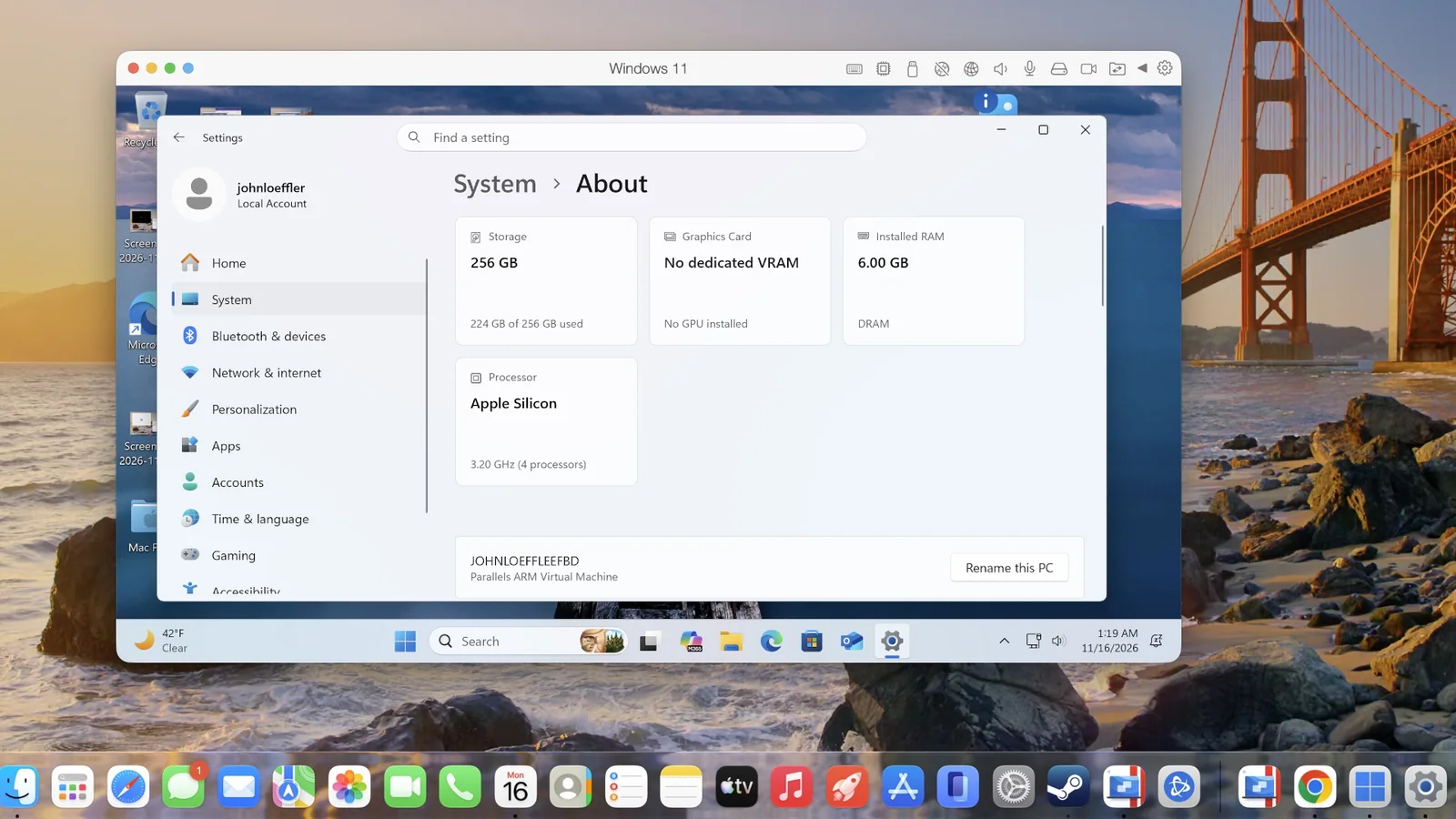
The software defaults to Windows on Arm, which handles most modern applications well but may struggle with legacy Intel x86 software due to emulation requirements.
The inclusion of OpenGL 4.3 support via the Metal API is a major milestone, enabling professional CAD and engineering software to run more reliably. However, DirectX 12 support remains absent, which limits the software's utility for modern gaming.
On newer M4-series chips, the software leverages Scalable Matrix Extension instructions to accelerate AI-driven workloads within the virtualized environment.
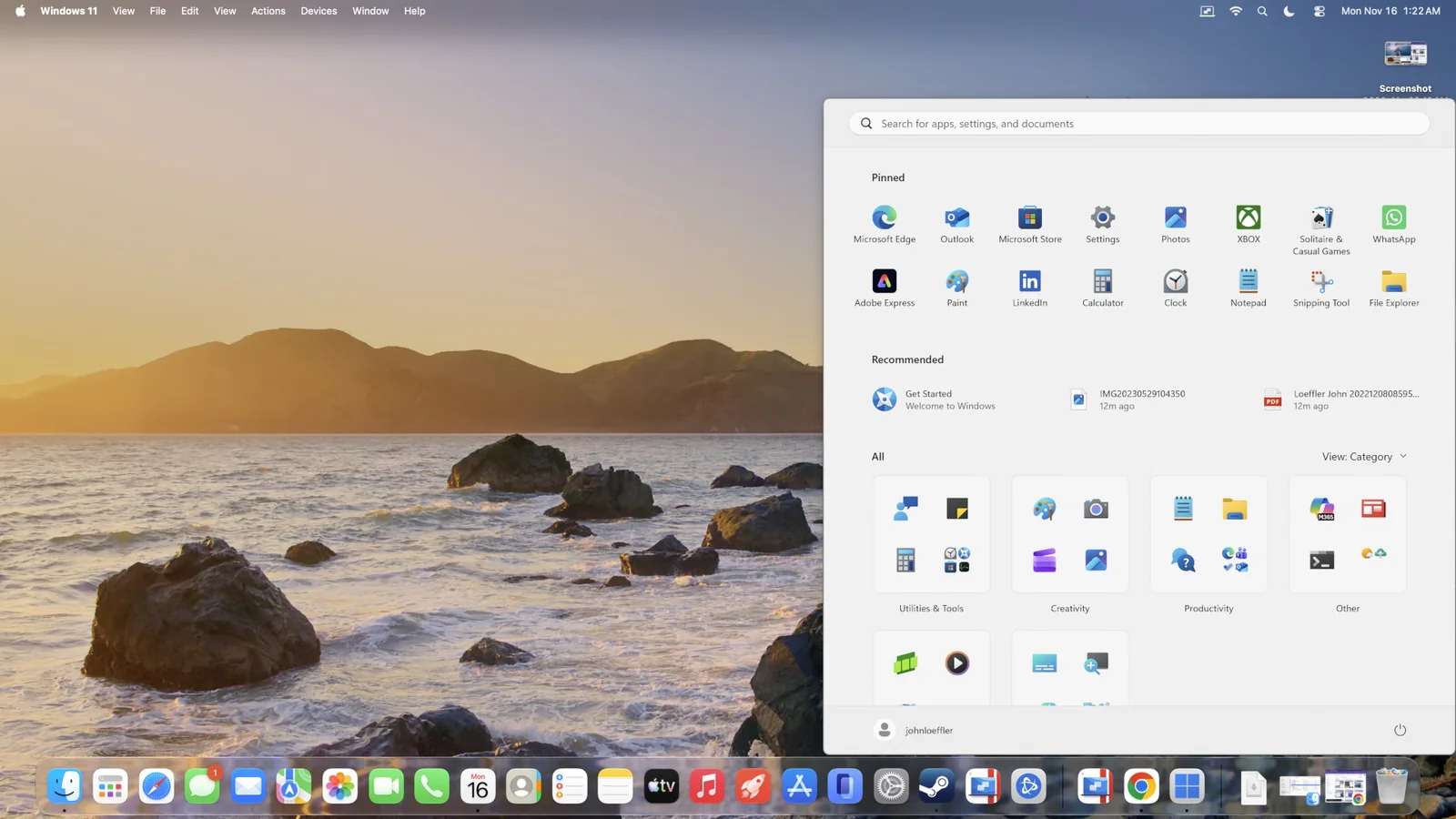
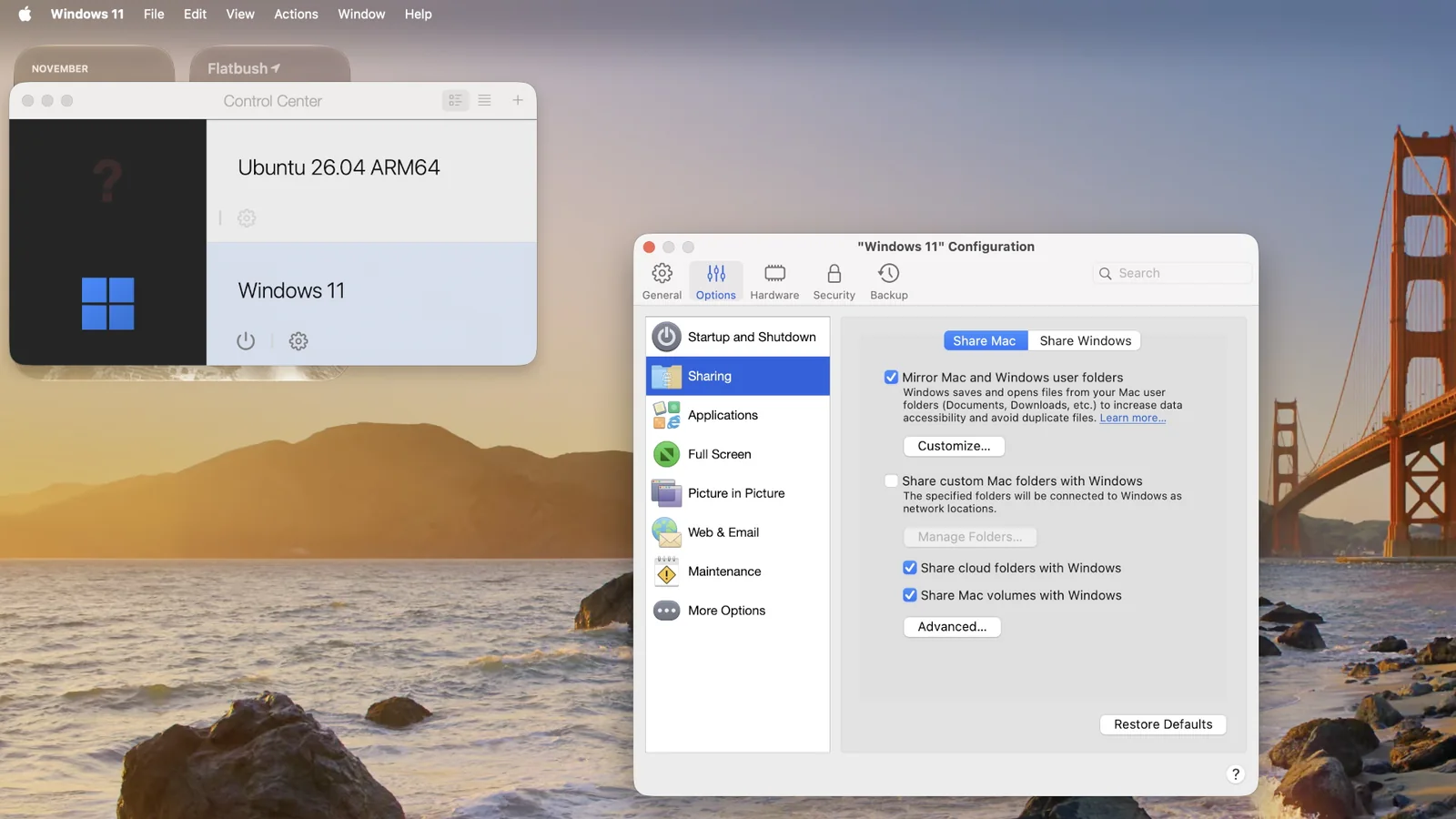
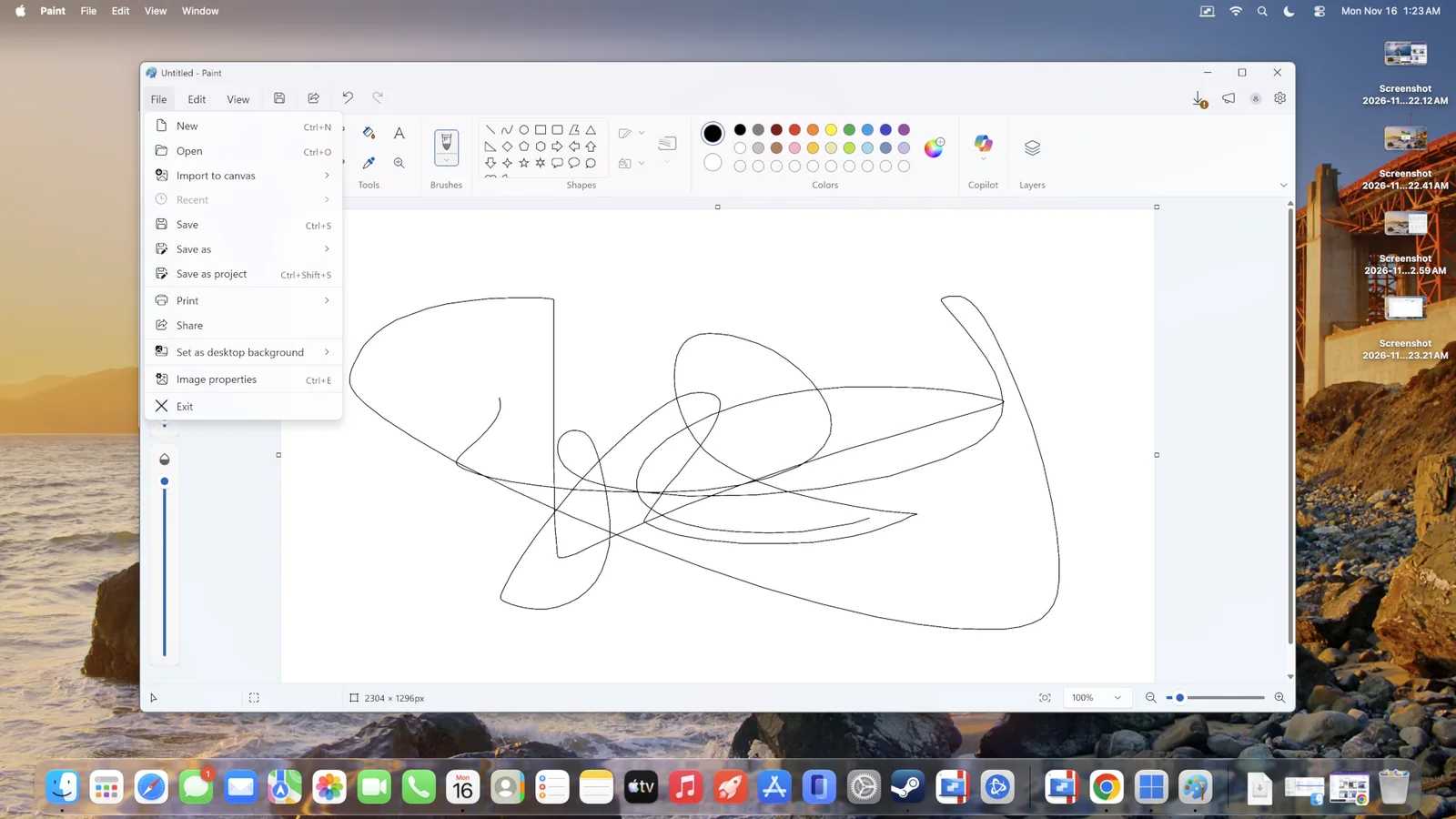
Core features like Coherence mode, which allows Windows apps to appear as native macOS windows, and seamless file sharing between host and guest OS, remain highly effective.
Interface and Usability
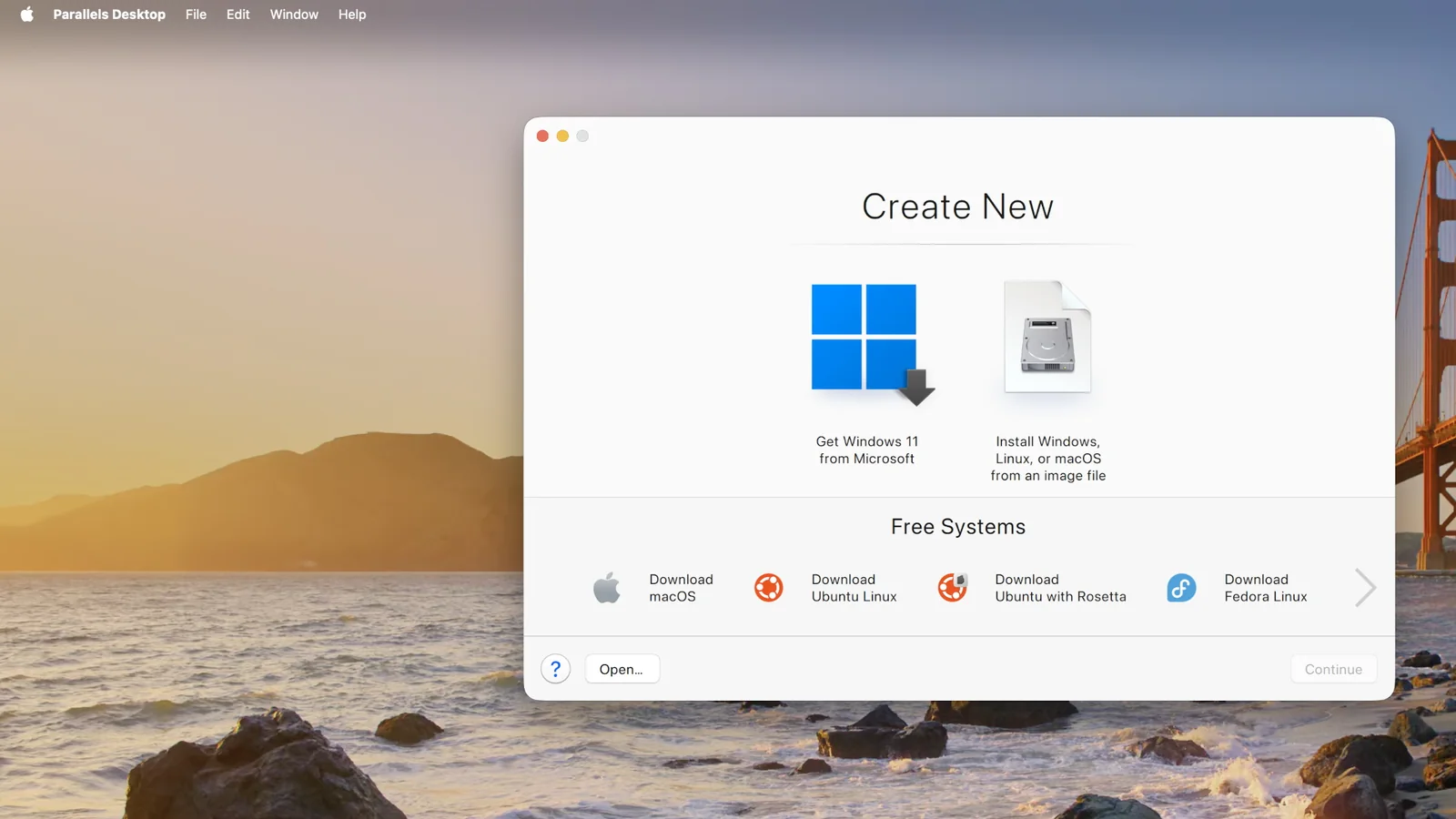
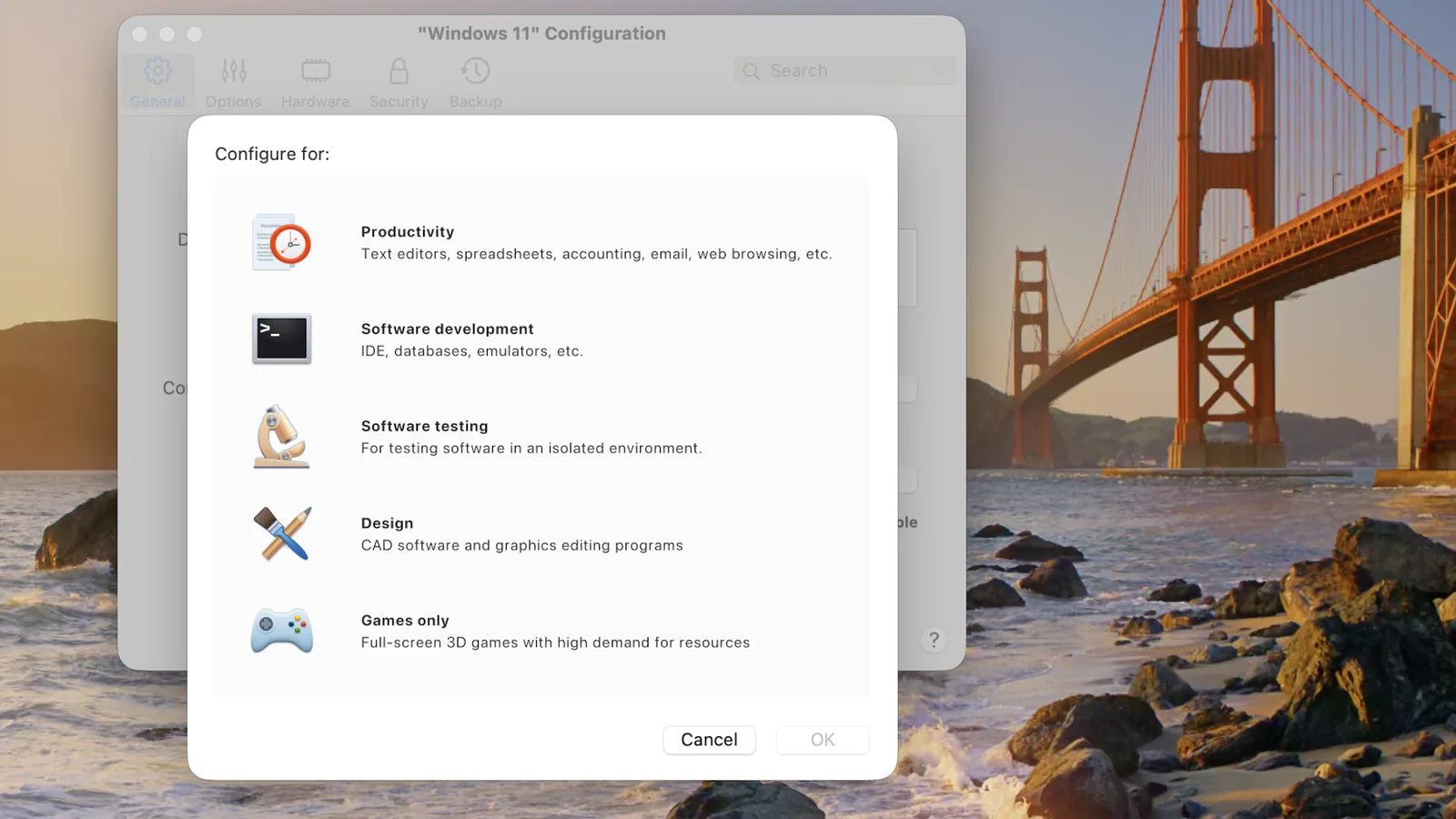
Installation is notably streamlined, requiring minimal configuration to get a functional Windows environment running. This accessibility is a primary advantage over more complex virtualization solutions.
Users have granular control over resource allocation, allowing for performance tuning based on specific project needs. Adjusting these settings is straightforward, though it requires a restart of the virtual machine.
The integration is so smooth that the virtual machine often feels like a native part of the macOS desktop environment.
While Coherence mode is excellent for multitasking, users should be aware that it consumes significant system resources compared to lightweight compatibility layers.
Security and data separation are critical. Users should configure folder and clipboard sharing permissions carefully to maintain proper isolation between the host and guest systems.
The seamless nature of the integration can lead to complacency; users should remain mindful that they are operating within a virtualized environment.
Support and Performance
Subscription tiers include access to technical support, which is a significant benefit for users encountering configuration issues with specialized software.
The extensive knowledge base and regular updates provide a stable foundation for long-term use.
Gaming performance is limited. While older DirectX 11 titles may function, modern DirectX 12 games are not supported, and native hardware will always outperform the virtualized environment.
Developers are advised to test game builds on native Windows hardware to ensure accurate performance metrics.
Performance Benchmarks
Performance is inherently tied to the hardware resources allocated to the virtual machine.
Testing indicates that single-core performance remains strong, with minimal degradation compared to native execution. Multi-core performance, however, shows a more noticeable drop, particularly when multitasking across several applications.
Benchmark data suggests that single-core performance hits are roughly 16%, a commendable result for a virtualized environment.
Multi-core performance can see a significant reduction in efficiency, with benchmarks showing up to a 53% performance gap compared to native macOS execution in some scenarios.
For intensive multitasking, the Pro plan's higher resource allocation is recommended to mitigate these performance bottlenecks.
Graphics performance remains the primary challenge. The lack of DirectX 12 support prevents many modern benchmarks from running, and existing drivers show significant overhead compared to native Mac graphics.
OpenGL performance has improved, though it still trails native hardware performance by approximately 31% in synthetic benchmarks.
Final Verdict
Parallels Desktop 27 is a highly capable tool that successfully minimizes the friction of running Windows on a Mac. Its single-app performance is excellent, and the user interface is remarkably intuitive.
While it may struggle with heavy multi-core workloads or modern gaming, it remains the most effective solution for users who need to bridge the gap between macOS and Windows software.
For those who require Windows compatibility without sacrificing the Mac experience, this software offers the best compromise currently available.