Breach Details and Scope
The U.S. Department of Defense’s Defense Manpower Data Center (DMDC) experienced a data breach between October 2025 and July 2026, allowing unauthorized users to access and potentially exfiltrate data on 2.76 million records relating to living personnel, and an additional 294,000 records relating to deceased individuals. According to reports, some of the exposed information included Social Security numbers and the job details of both military and civilian personnel.
“A Defense Manpower Data Center information system experienced unauthorized access of personally identifiable information by a small number of unauthorized users between October 2025 and July 2026. Upon discovery, DMDC immediately remediated the vulnerability,” a U.S. defense official said in a statement. Officials added that there has been no evidence of misuse of the compromised data at this time.
Central Database Impact
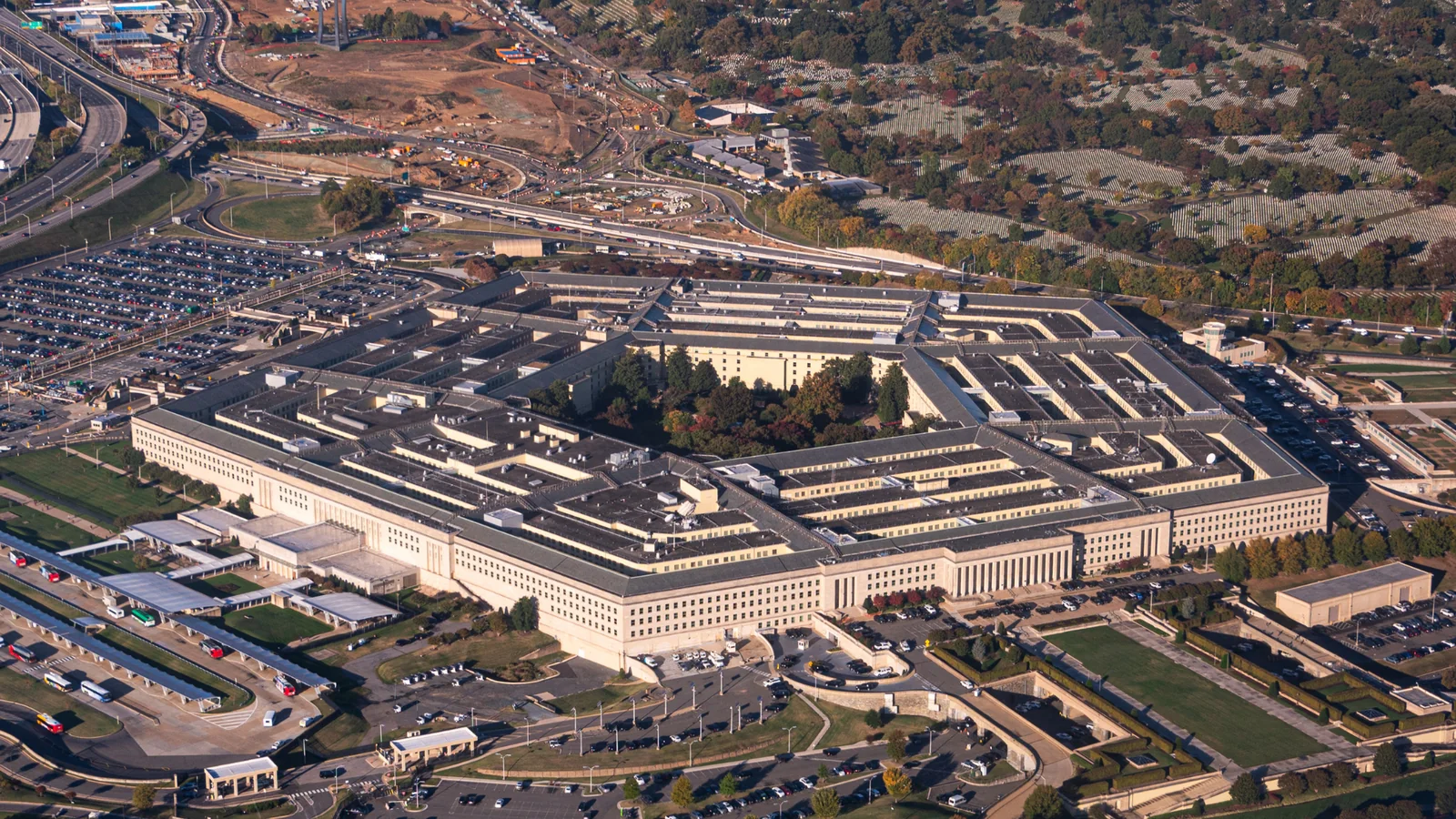
DMDC serves as the Pentagon’s central personnel database, storing information on active-duty and reserve members of the military, as well as civilian employees, contractors, retirees, veterans, and military family members, holding over 60 million records in total. This makes any breach of its system potentially significant, putting the privacy and personal security of those affected at risk. Because the repository lists the roles and job details of the affected personnel, it could also reveal the identities of people assigned to sensitive positions related to national security.
While there are no signs that the exposed information has been exploited, it could also indicate that threat actors are retaining the data for later use. The Pentagon did not disclose who was behind the incident or how it discovered the vulnerability.
Broader Infrastructure Risks
Given that governments rely heavily on digital infrastructure for day-to-day operations, state-sponsored adversaries and other actors frequently probe for vulnerabilities. Previous incidents include foreign hackers targeting government financial agencies, the deployment of malware against foreign industrial infrastructure, and official warnings regarding attacks on critical control systems.
Long-Term Mitigation Concerns
Although the Pentagon claims it has fixed the issue and stopped further information from leaking through this vulnerability, it cannot alter exposed static data such as Social Security numbers and employment histories. This means affected individuals must remain vigilant against potential exploitation long after the incident fades from public attention, particularly for personnel in sensitive national security roles.