70mai 4K A900 Ultra: two-minute review
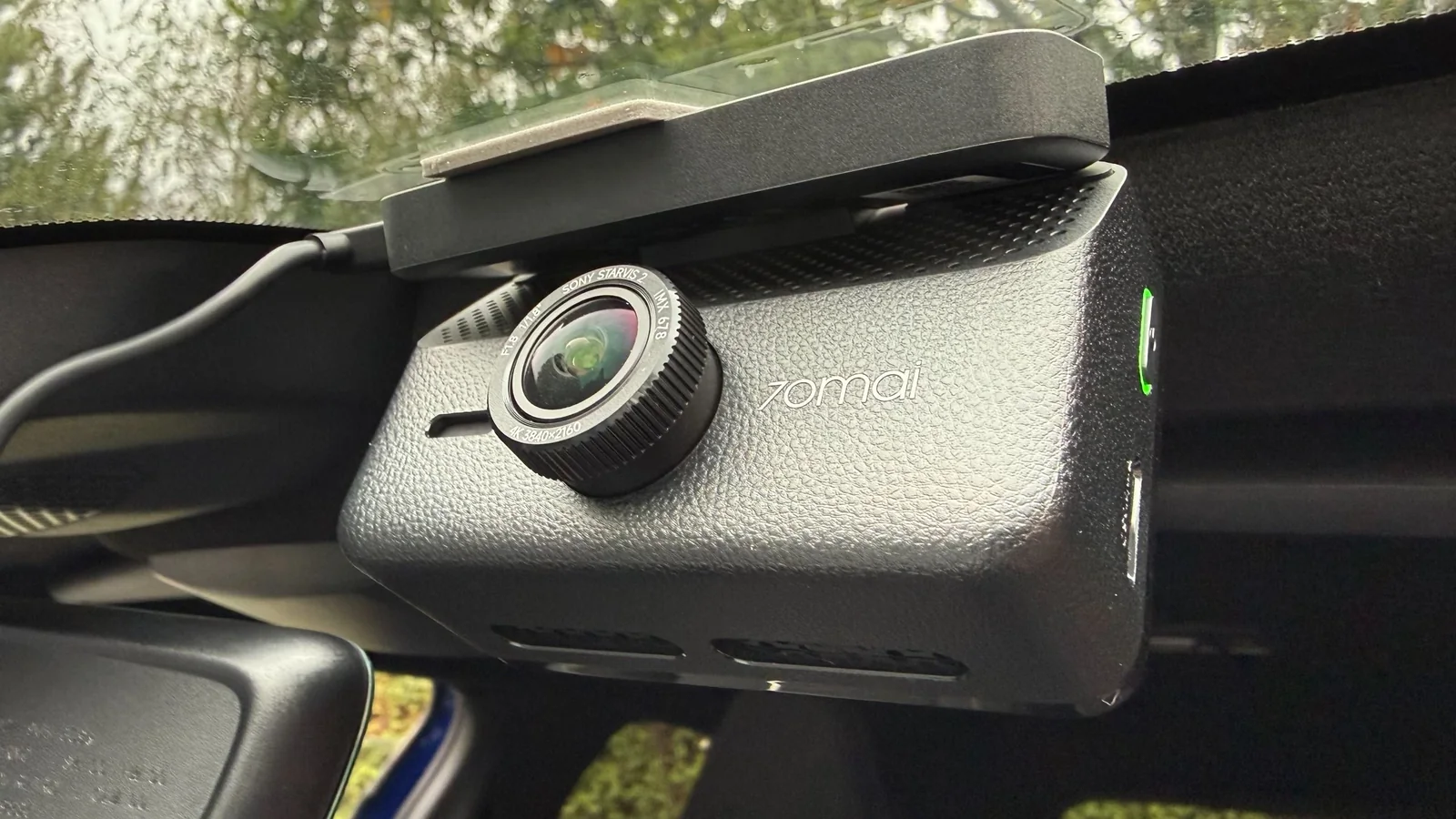
While many of the best dash cams on the market come with plenty of features and functions, not all of them boast 4K shooting capability. The dual-channel 70mai 4K A900 Ultra captures 4K footage not only with its front-facing camera, but also with the rearward-facing unit that makes up this potent dash cam bundle. This camera combo benefits from Sony Starvis 2 IMX678 sensors in both units too, which combined with the 4K, HDR and the manufacturer's own Night Owl Vision 2.0 processing, means the bundle is perfect for capturing footage night and day. The resolution is impressive, with the f/1.8 front lens capable of shooting 3840 x 2160P (4K) at 30fps, and the f/1.6 rearward camera able to shoot the same 4K quality at 25fps. The field of view for both units is a generous 130 degrees. The rest of the specification is similarly impressive, with the chunky main camera featuring a 3-inch rear-facing screen and four control buttons, which makes adjusting settings and previewing footage easy. There is a 5-system built-in GPS, and buffered emergency recording that captures up to 3 minutes and ten seconds before and 30 seconds after an incident. Bonus appeal is delivered with smart parking surveillance features, a Driver Fatigue Alert, and cloud compatibility that delivers a live view, remote playback and two-way voice communication that covers all bases on the security front. While capturing 4K footage soon amasses lots of chunky files, the unit features Wi-Fi 6, which means the transfer of footage and general file management is both quick and easy.
Topping off an impressive set of features is hands-free voice control, while the unit itself features supercapacitor technology that offers more durable performance across the ranged of temperatures that occur inside vehicles over time. All of this is squeezed into a compact box-shaped design for the main camera unit, while the rearward-facing camera is a fairly typical tube-shaped design. Both units can be attached to screen glass using supplied adhesive pads, and everything needed for the job comes inside the box. The system serves as a comprehensive solution, although a hardwire kit, which unlocks the potential of around-the-clock surveillance monitoring, must be purchased separately. Otherwise, the units can be powered via a standard 12V in-car power socket.
70mai 4K A900 Ultra: price and availability
In the US, the 70mai 4K A900 Ultra is priced at $299.99, though promotional pricing has been available directly from the manufacturer's website. In the UK, it launches at around £231.
70mai 4K A900 Ultra: Design
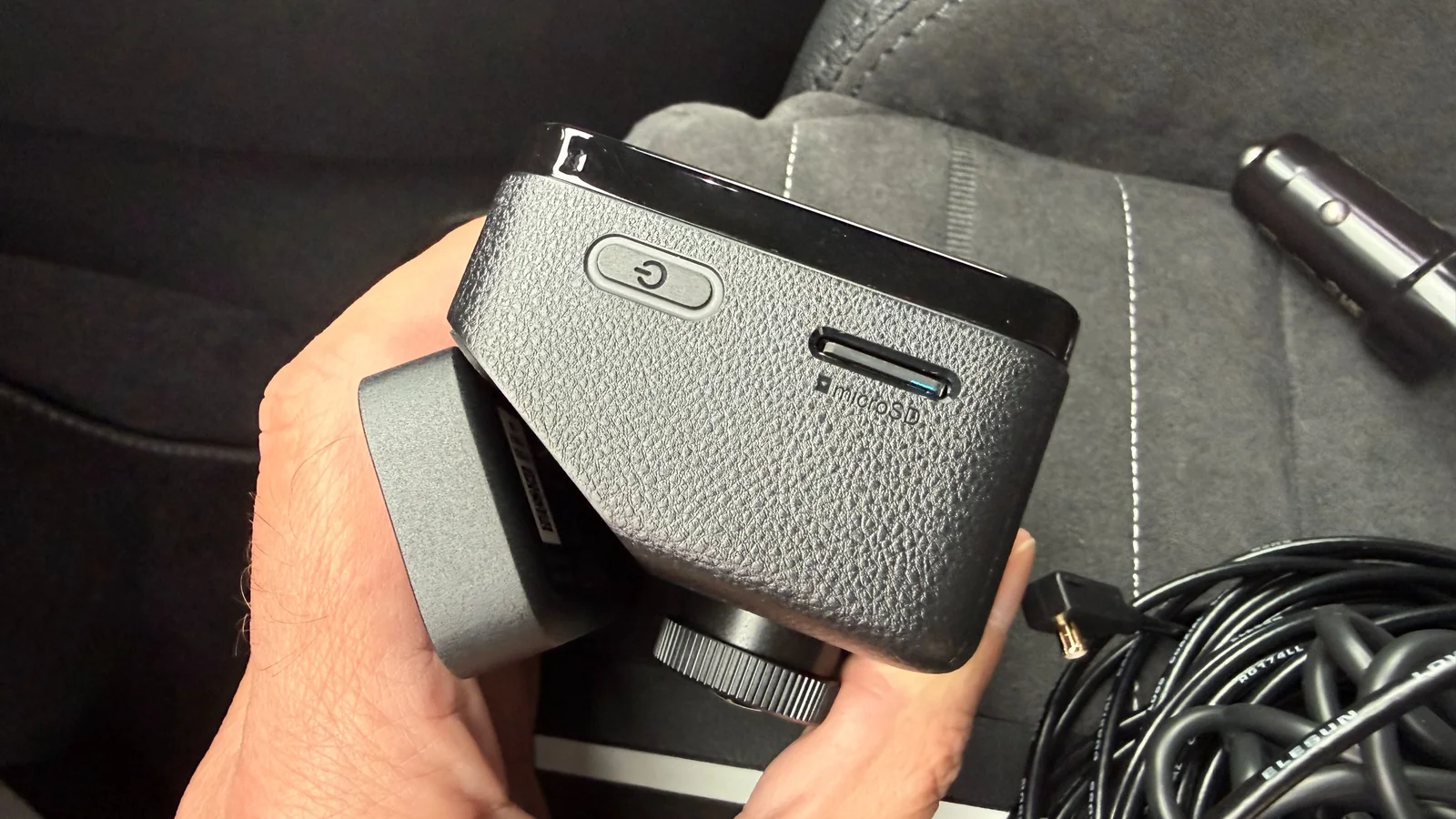
The 70mai 4K A900 Ultra features a robust exterior for the main camera unit that sits upfront, complemented by a conventional tube-shaped rear camera that is also very well put together. The main camera unit feels weighty and chunky in the hand. It features a built-in, non-detachable mounting bracket. The angle-adjustment bracket and sticky attachment feel quite stiff to adjust, which makes sense given the vibration and movement a vehicle subjects equipment to over time. The side of the unit contains a slot for microSD cards up to 512GB capacity and a port for connecting the power and rear camera cable using a secure push-fit mechanism designed to prevent failure over time.
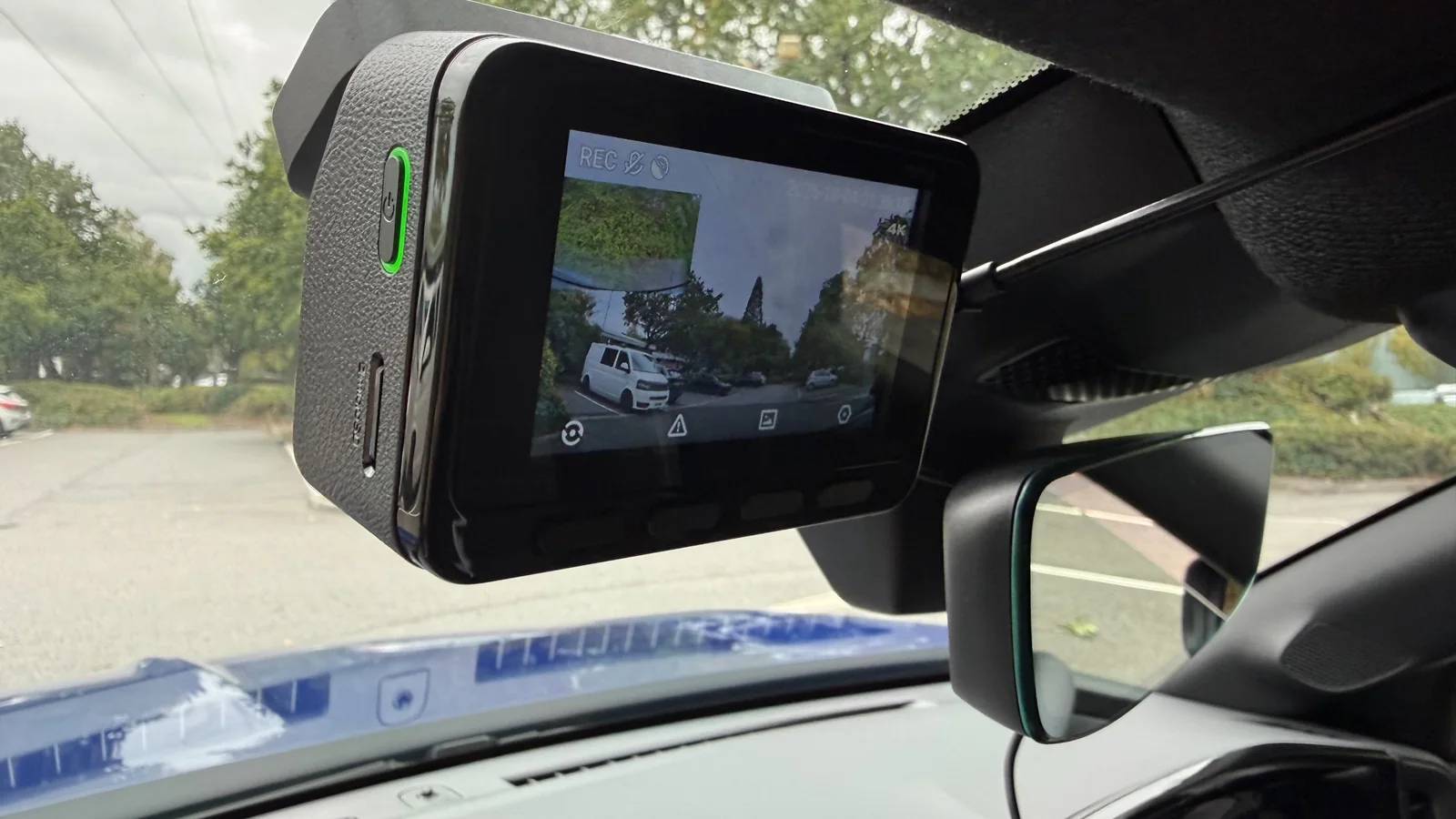
There’s a 3-inch screen on the back of the front dash camera unit, which provides a good size for previewing footage and simplifying the setup process. Powering up the camera using the supplied 12V power plug takes mere minutes, allowing users to configure installation options, language, time, and date directly via the four physical buttons below the screen.
Both cameras can be fixed to the glass using the supplied self-adhesive pads. Static sheets are provided for the front unit for users planning to move the camera to another vehicle later. Getting the rear camera into position can be tricky depending on the vehicle layout, but the lens barrel can be rotated into its optimal position, and the captured view can be verified using the picture-in-picture mode on the front display.
70mai 4K A900 Ultra: Performance
The source review noted that the initial setup procedure is straightforward and can be completed without a manual. The chunky physical buttons combined with the companion mobile app make everyday file management effortless. The 4K video quality produced by the dual-channel camera combination is excellent, with after-dark footage matching the clarity and quality of daylight recordings. The HDR software effectively manages variable lighting conditions, such as driving out of a tunnel, maintaining strong definition in critical details like license plates and road signs. Furthermore, the system utilizes low-voltage differential signaling (LVDS) to relay the rear camera feed as a digital signal with zero re-encoding, ensuring an ultra-low latency real-time feed without compression artifacts.
Overall, the system handles heavy file sizes smoothly thanks to modern Wi-Fi transfer capabilities and a rock-solid application interface, making file management and cloud storage transfers seamless.
It is worth noting that utilizing the parking-monitoring feature requires the purchase of an optional hardwire kit.
The optional hardwire kit is essential for full-time surveillance functionality.
Buy it if...
You want top-quality video: There is no doubting the capability of this dash cam thanks to its 4K shooting power on both the front and rear units.
You value extra features: The system comes with a host of added-value elements, including stellar after-dark performance and reliable parking surveillance capabilities.
You want more power: The setup can be expanded with optional battery packs to completely eliminate vehicle battery drain concerns.
Don't buy it if...
Twin cameras are more than you need: If you crave simplicity and only require basic road coverage, a single-camera setup will suffice.
You're looking for a budget option: While competitively priced for a mid-range dual-channel bundle, cheaper alternatives are available on the market.
Fitting hardware is a chore: The device requires routing cables through vehicle trim panels, making a single-channel alternative easier to install.