AI software clones are coming for big-name companies like Adobe
Can the likes of Artcraft shake up the world of pricey subscription software?
Vibe coding has taken a wild new turn. Earlier this month, a developer motivated by hatred for Adobe's subscription model used Claude to reverse-engineer Photoshop, Lightroom and other Creative Cloud apps. The team then used that information to create open-source clones of those apps with similar functionality that anyone can download and modify for free.
Individual coders are creating their own apps through reverse engineering and even adding features to existing ones. This has sparked intense debate. Some feel abusive subscription app makers are getting what they deserve, while others see it as simple piracy. The speed of AI's spread is creating new legal ramifications around patents and copyright that still need to be explored.
Artcraft sets its sights on Adobe
Free or open-source software like GIMP instead of Photoshop, Darktable instead of Lightroom, or DaVinci Resolve instead of Premiere has existed for years, if not decades. Those can do many of the same things as their Adobe counterparts, and are free. However, most users don't want the switching costs of learning something entirely new after years of building muscle memory in Adobe's apps.
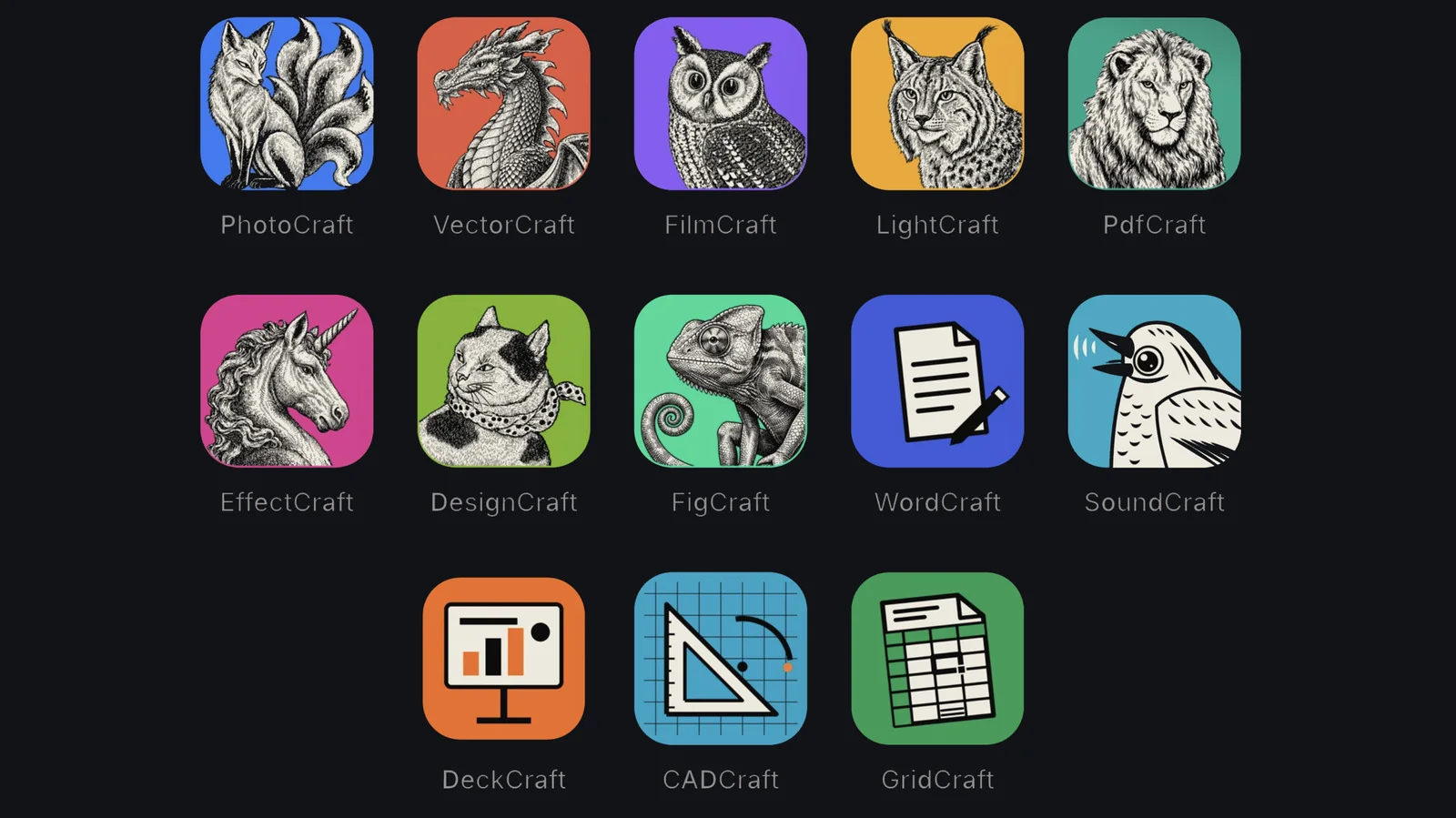
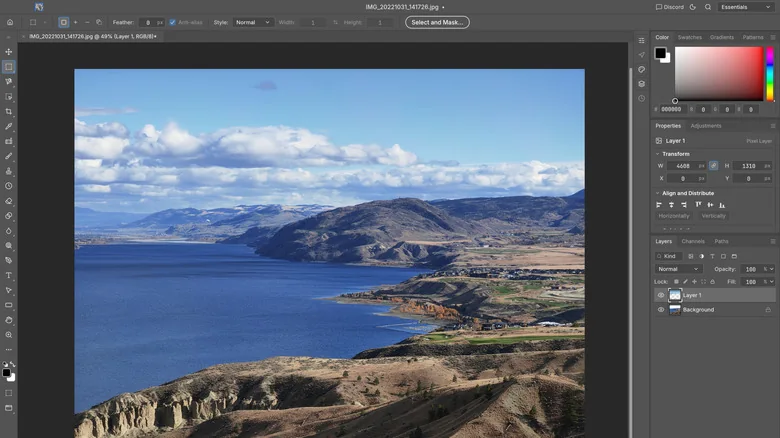
Enter Artcraft. Software developer Brandon Thomas and his team first launched these Adobe suite clones in early October. The pitch was that they're a one-to-one replacement for Creative Cloud apps with a similar user interface, but are free with no subscription, and users own the source code.
Thomas decided to reverse engineer the Creative Cloud apps after getting hit by cancellation fees. To do so, he used AI to create clean-room versions of each that he claims are performant.
Testing the Photoshop replacement, Photocraft, reveals it can handle basic tasks like resizing, masking and color adjustments. The menus and controls are nearly one-to-one matches for Photoshop, minimizing the learning curve, though it lacks advanced features.
There are still issues. Users have reported critical bugs in Photocraft, including the app deleting images, randomly merging layers and lacking stability. It also cannot open native PSD Photoshop files, which remains a hurdle for existing users.
Adobe's apps aren't the end of Thomas' ambitions, as he aims to reshape consumer software dependency.
Reverse engineer anything
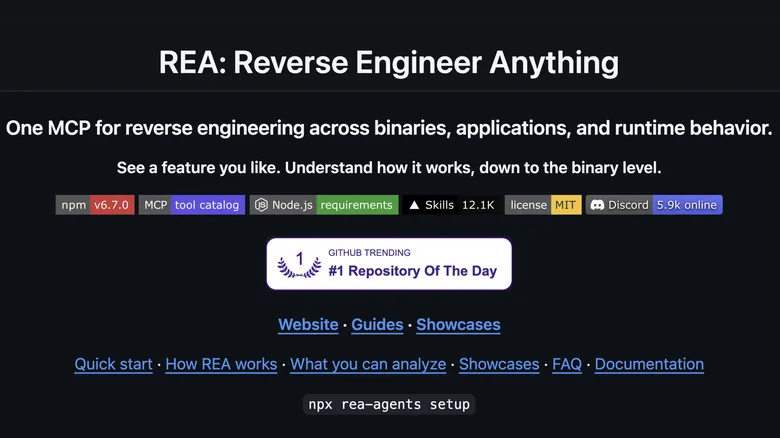
The Photocraft team members are experienced coders, but that doesn't mean the average person is shut out of the trend. An application called REA (Reverse Engineer Anything) has gone viral, letting users deconstruct software and reconstruct it in clean code.
The tool can inspect applications without source code, explain how features work, show evidence, and build versions for specific projects.
This technique offers a way to deconstruct and recreate apps or websites automatically. It can be used not only for software running on computers, but also for firmware in consumer devices like TVs, refrigerators, and smart frames.
This work also involves digging into games on multiple platforms, with AI-driven decompilation increasingly overtaking human-led preservation communities.
The reaction so far
Vibe coding with AI has existed for a while, but reverse-engineering software and cloning it is a relatively recent phenomenon praised by some developers for its execution.
Not everyone is impressed. Critics cite unmaintainable codebases and potential trademark and copyright infringements.
That legal aspect could be another barrier. Though the Artcraft team stated they never used a single line of Adobe's code, they may have violated trademarks and patents, while Adobe's terms of use explicitly ban reverse engineering.
Artcraft, REA and other apps have clearly opened Pandora's box. A single person skilled with AI can now potentially do what used to take a team of engineers, which could force companies like Adobe to rethink unpopular business models.