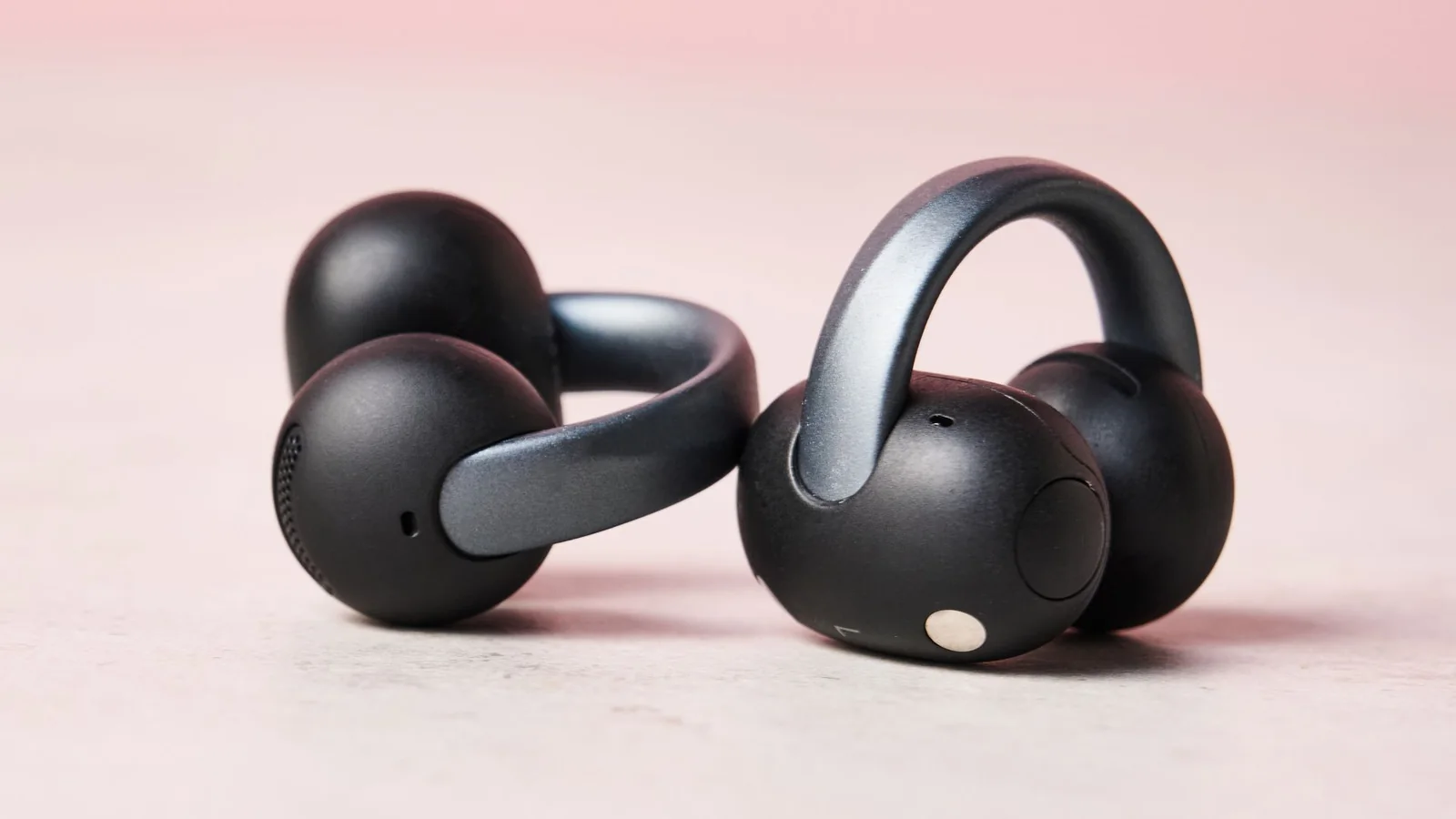
Introduction
The original open-ear model established a strong reputation for immersive audio and a comfortable fit. The sequel arrives to build upon those foundations with a series of hardware and software refinements.
Features and Call Quality
Among the primary upgrades is a dedicated chip that delivers significantly enhanced computing power. This hardware drives clear call quality, utilizing algorithmic processing to filter out external noise during voice recordings and phone calls. A dedicated Whisper mode also maintains vocal clarity even when speaking quietly.
Features and Call Quality
Another notable inclusion is HearID, a guided interactive test that creates a customized audio profile tailored to the user's hearing. This calibration helps compensate for the inherent low-end limitations typical of open-ear designs, making it a valuable step before diving into music playback.
Durability and Battery
The earbuds also receive a substantial durability upgrade, moving from an IPX4 rating to IP57, which protects against dust ingress and accidental submersion in up to a meter of water for 30 minutes.
Durability and Battery
Battery life offers a reliable eight hours of continuous playback from the earbuds alone, with the charging case extending total listening time to 32 hours—an eight-hour improvement over the previous generation.
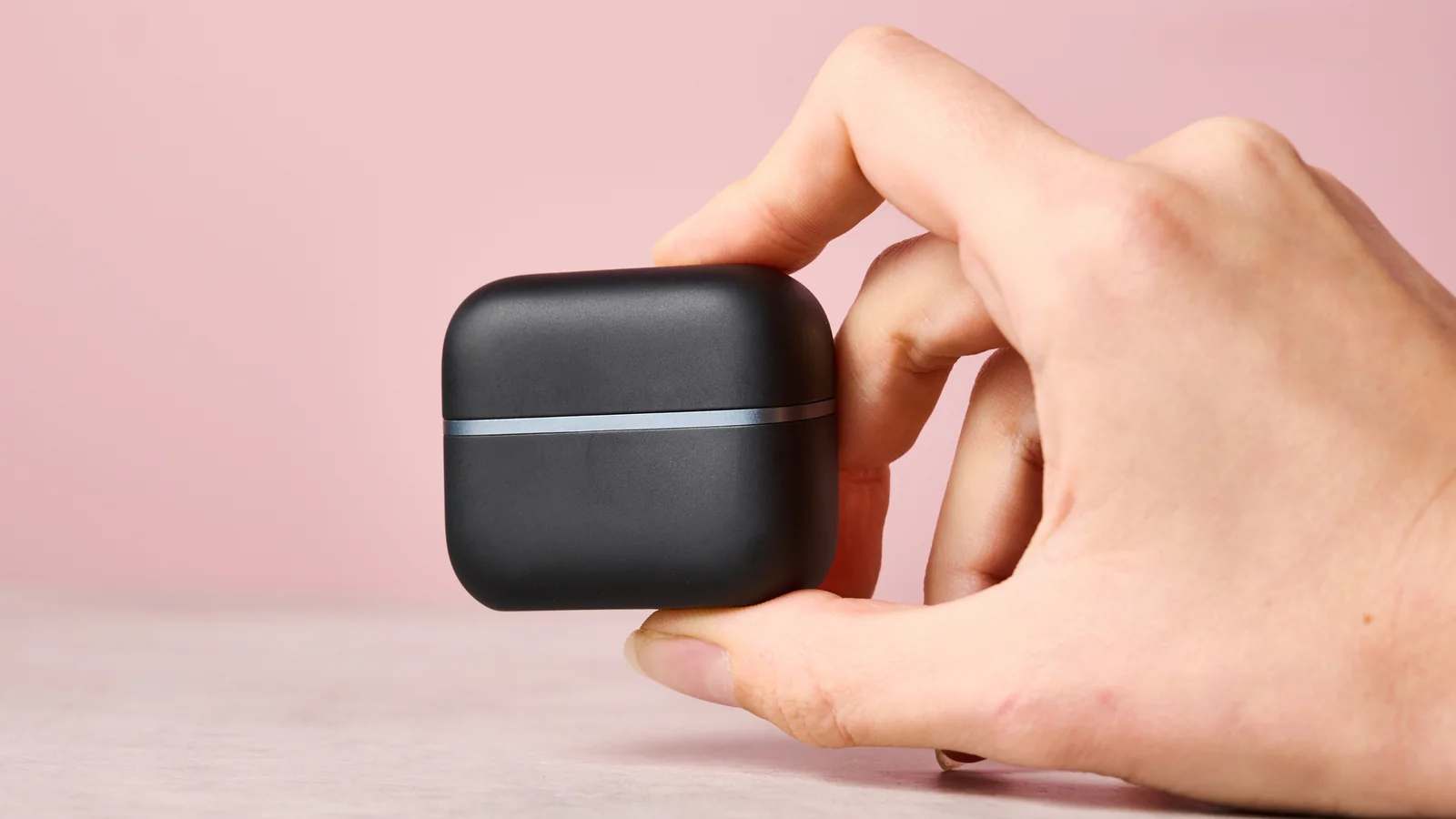
The charging case features a more compact form factor than its predecessor, storing the earbuds back-to-back for easier pocketability. The earbuds themselves maintain the lightweight, secure, and stylish fit of the original model, available in multiple colorways including Burgundy Red, Cloud White, Midnight Black, and Mist Blue.
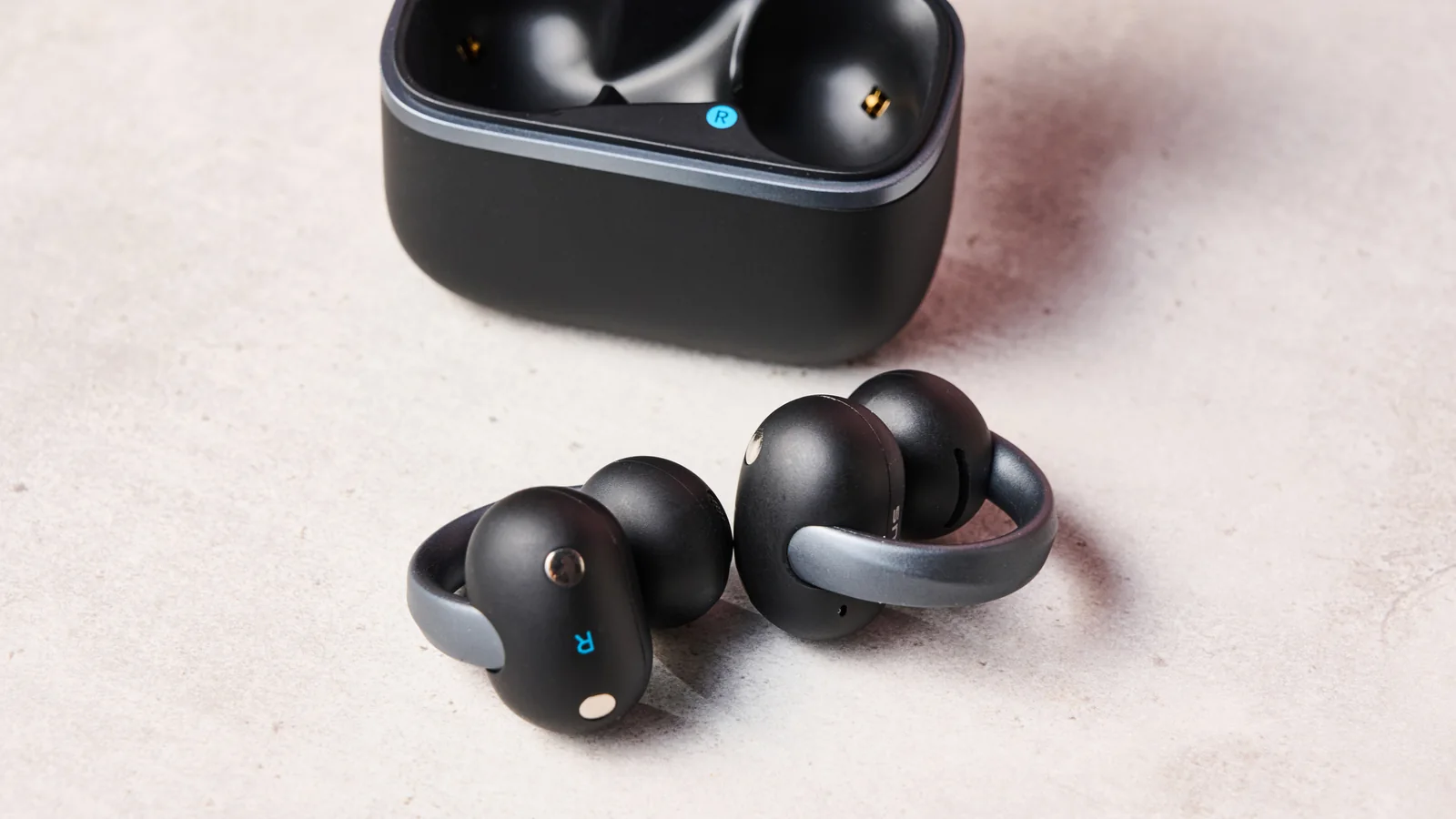
Out of the box, the sound profile leans slightly conservative on bass, a characteristic amplified by the open architecture that naturally leaks low frequencies. However, overall performance remains solid and well-balanced.
Applying the HearID tuning adds welcome weight to the low-end while keeping the mid-range and treble open and distinct. While the sonic jump over the first generation is incremental rather than revolutionary, targeted enhancements refine the overall experience.
The addition of LDAC support allows for higher-resolution audio streaming over Bluetooth when paired with a compatible device, such as a modern Android phone, revealing finer details in vocal performances and percussion.
Across various genres, the earbuds offer a wide, expansive soundstage typical of quality open-ear models. Bass is agile rather than forcefully impactful, while treble remains articulate and controlled with clean instrument separation.
Even dense electronic tracks benefit from well-defined vocals and expressive, non-fatiguing high frequencies, handling mid-range synthesizer textures with appropriate subtlety.
Acoustic and stripped-back recordings highlight the increased clarity enabled by LDAC and custom tuning, making the earbuds notably more revealing than their predecessors despite architectural limitations.
An accompanying mobile application provides access to spatial audio modes, multi-band custom EQs, presets, and ambient soundscapes. The interface is responsive and offers extensive personalization options.
Users can also remap physical button controls independently for each earbud, tailoring commands such as playback pause or voice assistant activation to their personal workflow.
Active noise cancellation is omitted, which is typical for open-ear form factors. This design choice ensures high situational awareness even at maximum volume, though users seeking complete isolation will prefer traditional in-ear alternatives.
Market positioning sees a noticeable price increase for the flagship clip-on model, raising questions about whether the incremental upgrades fully justify the higher cost.
Priced at $169.99 / £159.99, the device costs significantly more than the first-generation release.
While features like LDAC, improved waterproofing, and HearID calibration add genuine utility, some advanced additions feel secondary, meaning buying decisions will depend heavily on individual user priorities.
The earbuds remain competitive in terms of fit and sound quality, though budget-conscious buyers or iPhone users unable to utilize LDAC may find strong value in looking at the original model.
Anker Soundcore AeroClip 2 review: price & release date
$169.99 / £159.99 (about AU$240)
Released in September 2026
The Anker SoundCore AeroClip 2 launched following their predecessors, marking a notable step up from the original launch price.
Despite the price hike, they remain more affordable than several premium competitors, though various budget-friendly alternatives exist in the open-ear market.
Buy them if…
You appreciate secure cuff-type designs that offer a stylish aesthetic, high comfort, and a reliable all-round fit.
You want deep audio customization options, including multi-choice calibration tests, presets, and multi-band equalizers.
Don’t buy them if…
You expect premium, deep low-end audio performance, which is naturally limited by sound-leaking open architectures.
You require active noise cancellation to completely isolate yourself from external surroundings.
Anker Soundcore AeroClip 2 review: also consider
Alternative clip-on options provide punchy bass and extended battery life at a slightly higher price point for users seeking premium build quality.
Open-fit alternatives with active noise cancellation offer another route for listeners who want environmental awareness combined with isolation features.