The Shift to an Agentic OS
When Microsoft released Windows 11 five years ago, it felt like an operating system that was still being renovated, a work in progress. Instead of moving on to Windows 12, Microsoft is using Windows 11 as the foundation for its next major ambition: transforming the platform into an agentic operating system.
Microsoft tries to spark new life into Windows
Windows is slowly morphing into an agentic OS.
Windows is slowly morphing into an agentic OS.
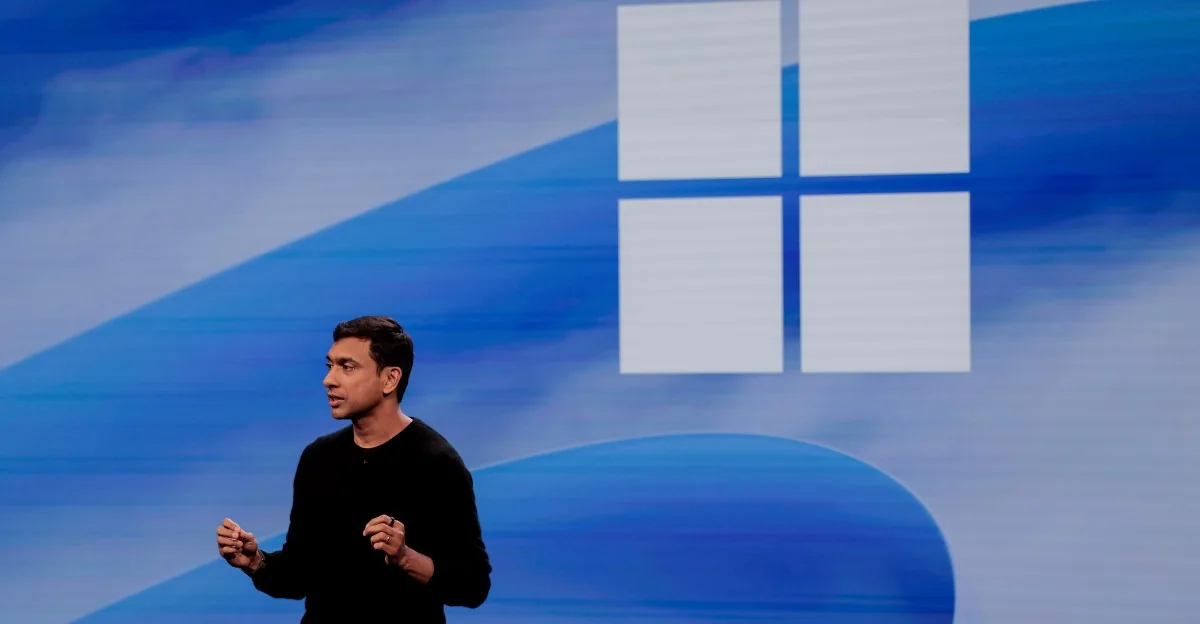
At a Windows and Surface event, Microsoft outlined its roadmap to integrate AI agents into the operating system. This includes hybrid intelligence designed to leverage free local models rather than relying entirely on cloud-based processing.
Microsoft executives emphasized security, identity, and management aspects of the agent platform, targeting developers, creators, and enterprise users alike.
Local Model Demos and Hardware
During demonstrations, Windows leadership showcased GitHub Copilot running locally without expensive cloud tokens, alongside support for running multiple local models and agents such as OpenClaw, Hermes, and Perplexity.
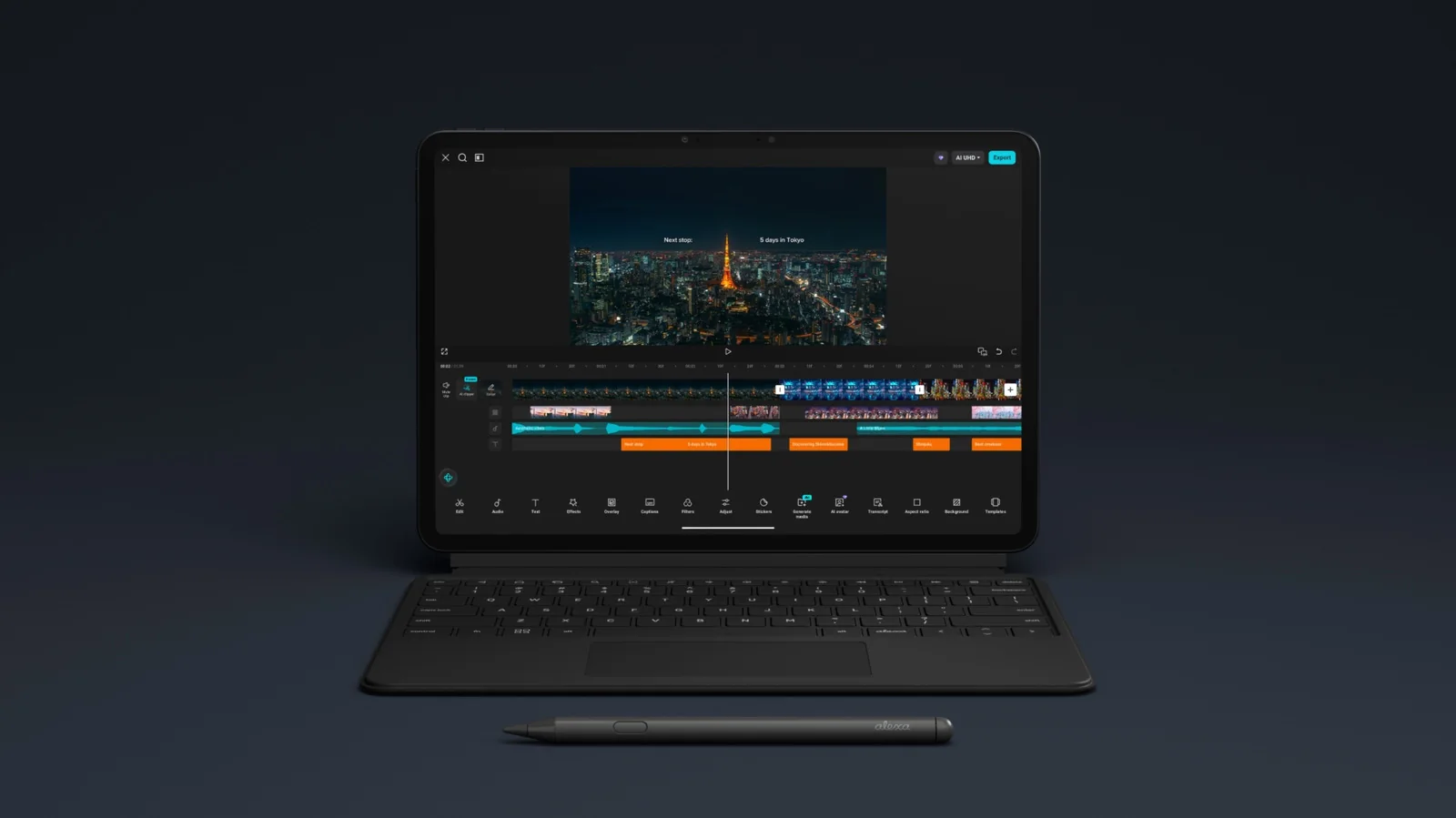
To entice developers and creators currently using competing platforms like the MacBook Pro, Microsoft introduced the Surface Laptop Ultra.
Powered by Nvidia’s RTX Spark chips, the Surface Laptop Ultra delivers the raw GPU performance necessary to run AI models exceeding 120 billion parameters locally.
The Surface Laptop Ultra serves as the flagship RTX Spark device, with similar hardware offered by partners including Asus, Dell, HP, Lenovo, and MSI. Pricing for Microsoft's model starts at $2,599, scaling up to $6,999 for configurations featuring 128GB of unified memory.
Consumer Features and Interface Updates
For everyday consumers, updates were more modest, though Microsoft revealed a completely redesigned Windows Search interface. The updated search experience functions more like a launcher, surfacing results in-line significantly faster than previous versions.
Executives reiterated that the long-term vision involves secure agents operating on behalf of users and intelligence moving seamlessly between local hardware and the cloud.
Challenges Ahead
Microsoft remains in the early stages of this transition. Previous Copilot Plus PCs heavily emphasized NPU chips, but consumer adoption has been slow due to a limited selection of compatible productivity and media tools, coupled with privacy concerns surrounding features like Recall.
While Nvidia's backing could give RTX Spark hardware momentum, these machines currently target a specialized audience of creators and developers who can offset substantial token costs by running large models locally.
Targeting builders is critical for Microsoft, especially as cloud-based AI agents running on Linux virtual machines present new competition for desktop application compatibility.
Leadership highlighted the evolution of computing to ensure Windows retains its central role as how users interact with technology changes over time.
Ultimately, Microsoft is moving aggressively to embed hybrid intelligence into Windows to secure its dominance as computing shifts beyond the traditional personal computer.
I’m always keen to hear from readers, so please drop a comment here, or you can reach me at notepad@theverge.com if you want to discuss anything else. If you’ve heard about any of Microsoft’s secret projects, you can reach me via email at notepad@theverge.com or speak to me confidentially on the Signal messaging app, where I’m tomwarren.01. I’m also tomwarren on Telegram, if you’d prefer to chat there.
Thanks for subscribing to Notepad.