The End of an Era
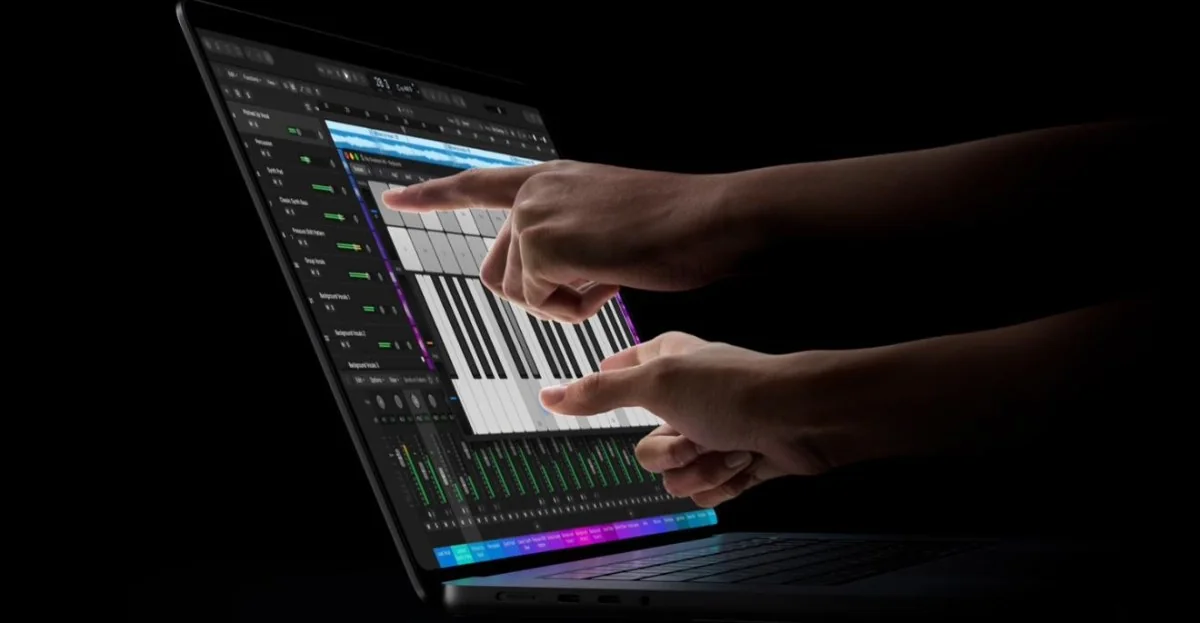
For more than 15 years, Apple has had a pretty simple answer to the idea of a touchscreen MacBook: no. Yesterday, Apple finally decided to think different and announce one anyway. Apple CEO John Ternus noted that users will have to touch it to believe it.
Apple finally combined a toaster and a refrigerator
Apple spent more than 15 years resisting a touchscreen MacBook, until now.
Steve Jobs first called touchscreen laptops ergonomically terrible in 2010, arguing that touch surfaces do not want to be vertical and that using one for an extended period causes arm fatigue. While that fatigue factor remains a valid concern, Apple is now exploring the hybrid laptop opportunity.
Apple’s resistance to touchscreen Macs has been consistent. Tim Cook famously called Microsoft’s idea of hybrid laptops and tablets a compromise back in 2012, comparing it to converging a toaster and a refrigerator.
Craig Federighi, Apple’s software chief, described the Mac as a sit-down experience in 2014 and argued repeatedly that lifting an arm to poke a screen is quite fatiguing.
Shifting Demographics
Apple marketing chief Greg Joswiak admitted that touch was long overdue on the Mac, noting that a generation of young creators and users expect touchscreens on their MacBook Pros.
However, most users will face steep pricing, with the new touchscreen model starting at $2,899, nearly $1,000 more than the standard MacBook Pro. This suggests touch could eventually expand to more of the lineup.
Hardware and Software Adaptations
Apple redesigned the hinge on the MacBook Pro screen to stabilize it and prevent excessive wobble. The device utilizes a new OLED touchscreen.
The software has also been adapted. The menu bar expands for easier selection, and window control buttons enlarge upon touch interaction.
Users can utilize familiar gestures to switch pages, access Mission Control, or open the Notification Center, mirroring trackpad functionality.
Apple avoided radical form-factor overhauls like Yoga-style folding designs, instead delivering the touch support professionals have requested.
While touch on clamshell laptops is often limited to occasional notifications or zooming, alternative form factors like the Surface Pro have utilized touch differently.
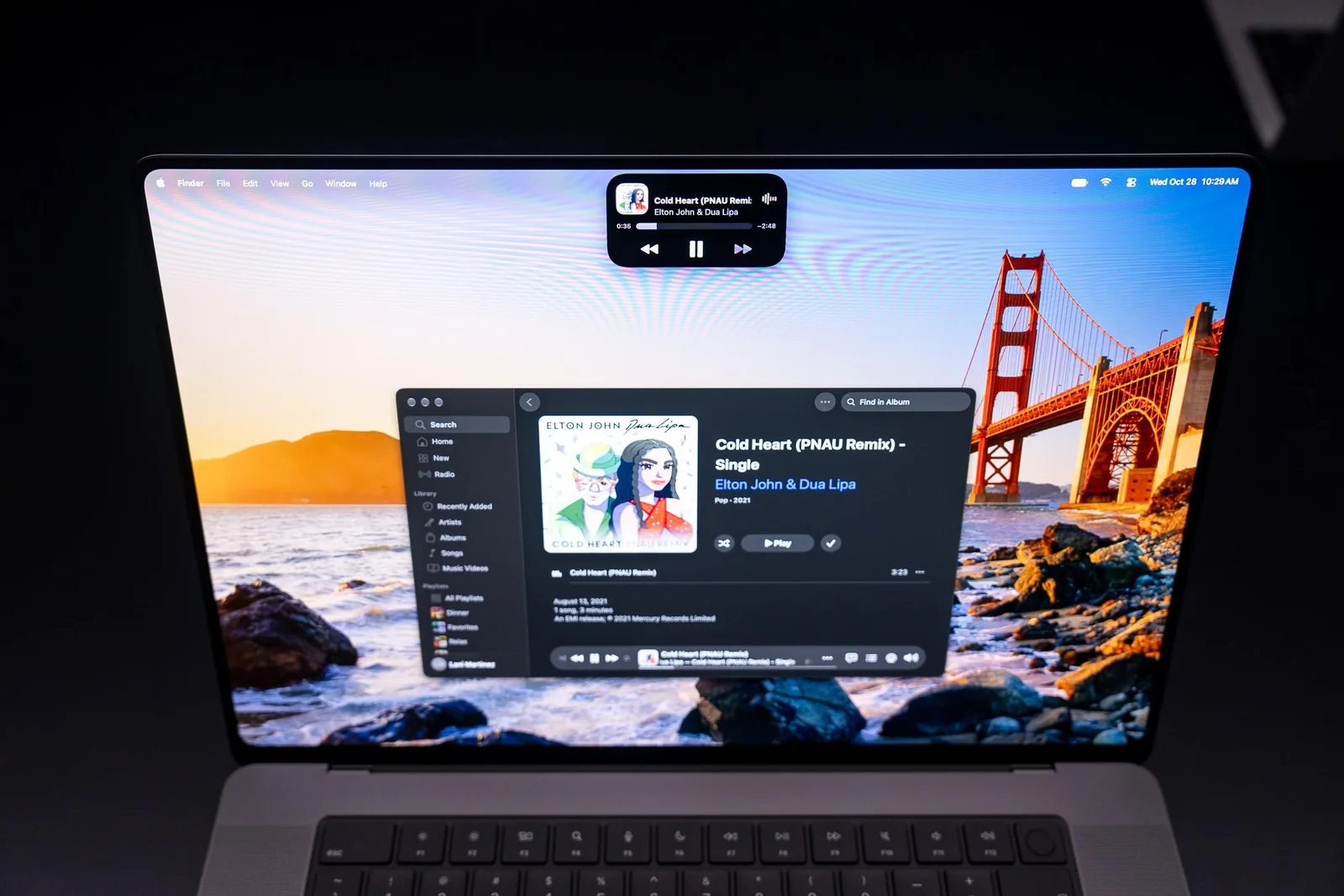
The Dynamic Island on the new MacBook Pro.
The Dynamic Island Arrives on Mac
The most interesting software addition is the Dynamic Island, which debuted on the iPhone. On this MacBook Pro, users can tap it for quick controls, while brightness and volume changes also appear there.
Apple has gradually introduced iPadOS features to macOS, including Stage Manager and Control Center. Bringing the Dynamic Island to the Mac hints at potential further convergence between macOS, iOS, and iPadOS.
Developer Support and Past Lessons
Apple must now encourage developers to support touch, a challenge reminiscent of the short-lived Touch Bar introduced in 2016 and scrapped in 2023 due to inconsistent app support.
The outlook may be different this time since developers are accustomed to Windows touchscreens. Furthermore, basic functions like scrolling and pinch-to-zoom work universally without heavy developer intervention.
Microsoft teams will likely feel vindicated by Apple's shift, recalling past jokes about refrigerators and toasters from the Surface Pro 4 launch in 2015.
Microsoft’s toaster-refrigerator joke.
While Microsoft pursued touch integration through Windows 8 and the Surface Pro, Apple maintained a strict separation between Mac and iPad experiences.
With touch finally arriving on the MacBook, the open question is whether Apple will bring its platforms closer together or keep them distinct.