Introduction
The smart display market features several established options from competitors, but Apple's entry marks the company's first device designed specifically for the HomeKit ecosystem. Beyond standard assistant functionality, it offers calendar and list management backed by personalized privacy profiles.
The source review evaluates the device over a two-week testing period, integrating it into daily routines to manage calendars, play music, control smart home devices, and handle reminders.
Hardware, Display, and Audio Quality
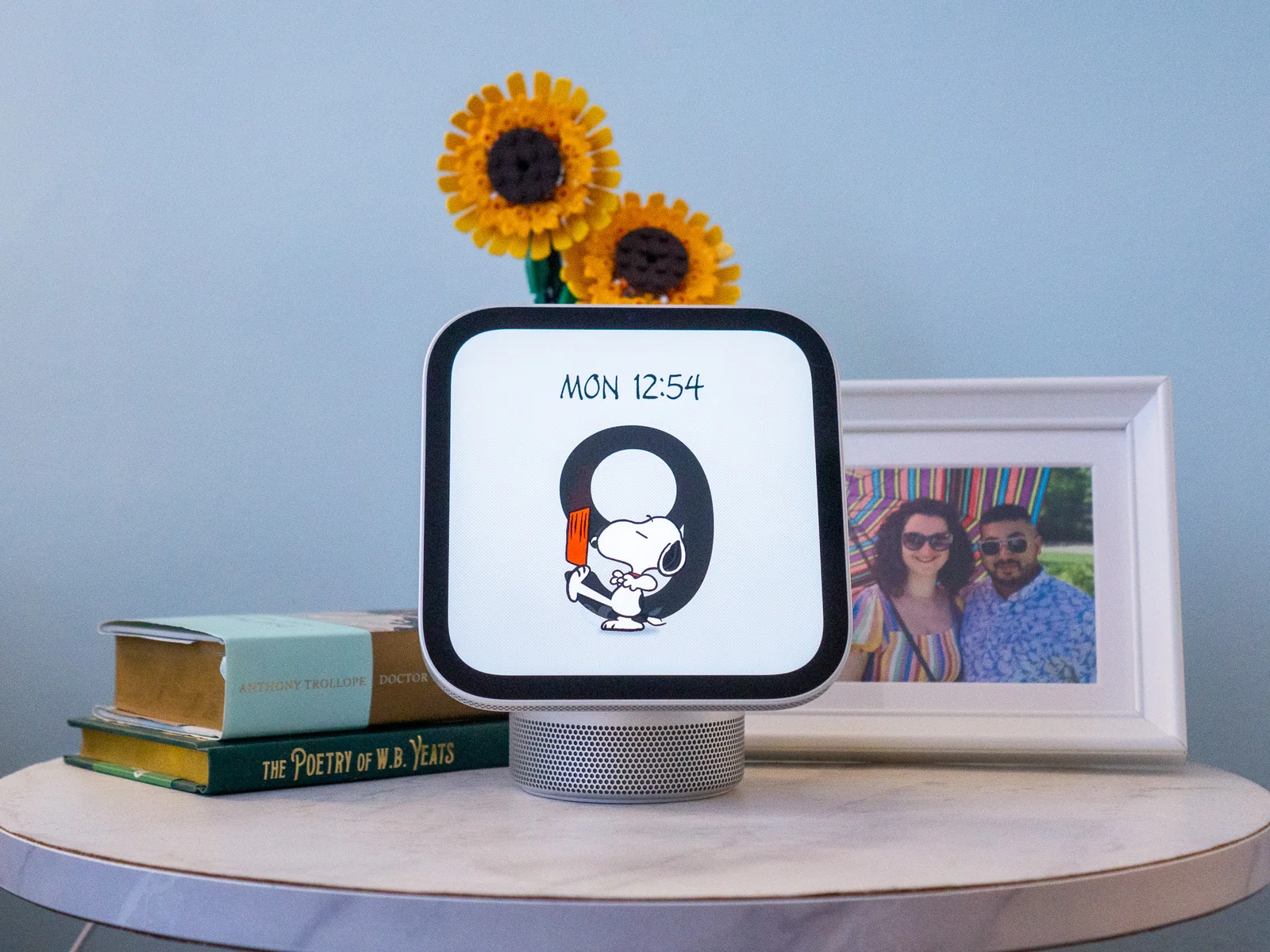
The hardware exhibits a premium aesthetic right out of the box, featuring a solid, weighted build, a rounded egg-like body, and a soft-touch non-slip base that justifies its pricing.
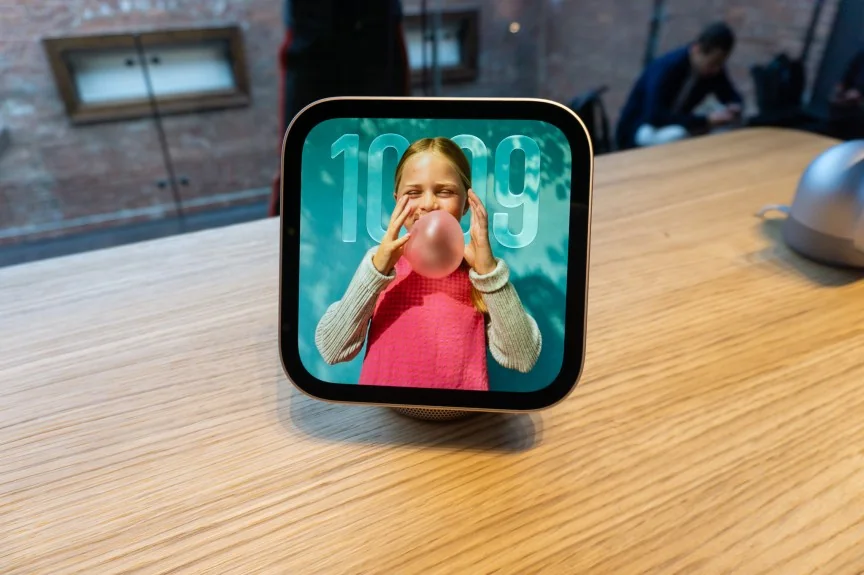
The physical design is complemented by a 7-inch Liquid Retina IPS display running at 1,088 by 1,088 pixels. It delivers bright, vivid output with wide viewing angles, while the Apple A18 processor ensures snappy scrolling and responsive interface navigation.
Audio performance is notably robust, driven by two full-range drivers, a down-firing woofer, and dual passive radiators. The sound output easily fills large living spaces with rich acoustic quality.
Users can also expand their setup by linking multiple compatible speakers for multi-room audio, though the wall-mounted variant utilizes a modified acoustic profile optimized for flat installation.
The interface supports customizable clock faces, modular widgets, and family photo albums alongside animated watch faces. Ambient light sensors and True Tone technology automatically adjust display brightness and color temperature based on the environment.
However, the 4:3 display aspect ratio can feel constrained when managing dense smart home dashboards, requiring users to scroll through device columns rather than viewing everything at once.
Viewing multiple security camera feeds simultaneously can also make details difficult to parse on the smaller 7-inch panel.
Ecosystem features such as AirPlay and Continuity allow seamless handoffs for calls, media, and browser tabs, though the lack of a native App Store restricts software options primarily to core Apple apps and select third-party services.
Privacy controls stand out as a major focus, utilizing facial recognition to provide personalized user profiles and secure individual access to private messages and calendars.
Smart home accessory pairing yields mixed results. While Matter-compliant devices like Philips Hue integrate smoothly, other supported hardware and security apps can experience intermittent connection roadblocks.
Siri AI brings conversational intelligence to reminders, notifications, and context-aware requests, though certain third-party integrations experience slight execution delays.