Repurposing Your Old TV
Consider assigning your retired display a secondary task rather than discarding it immediately.
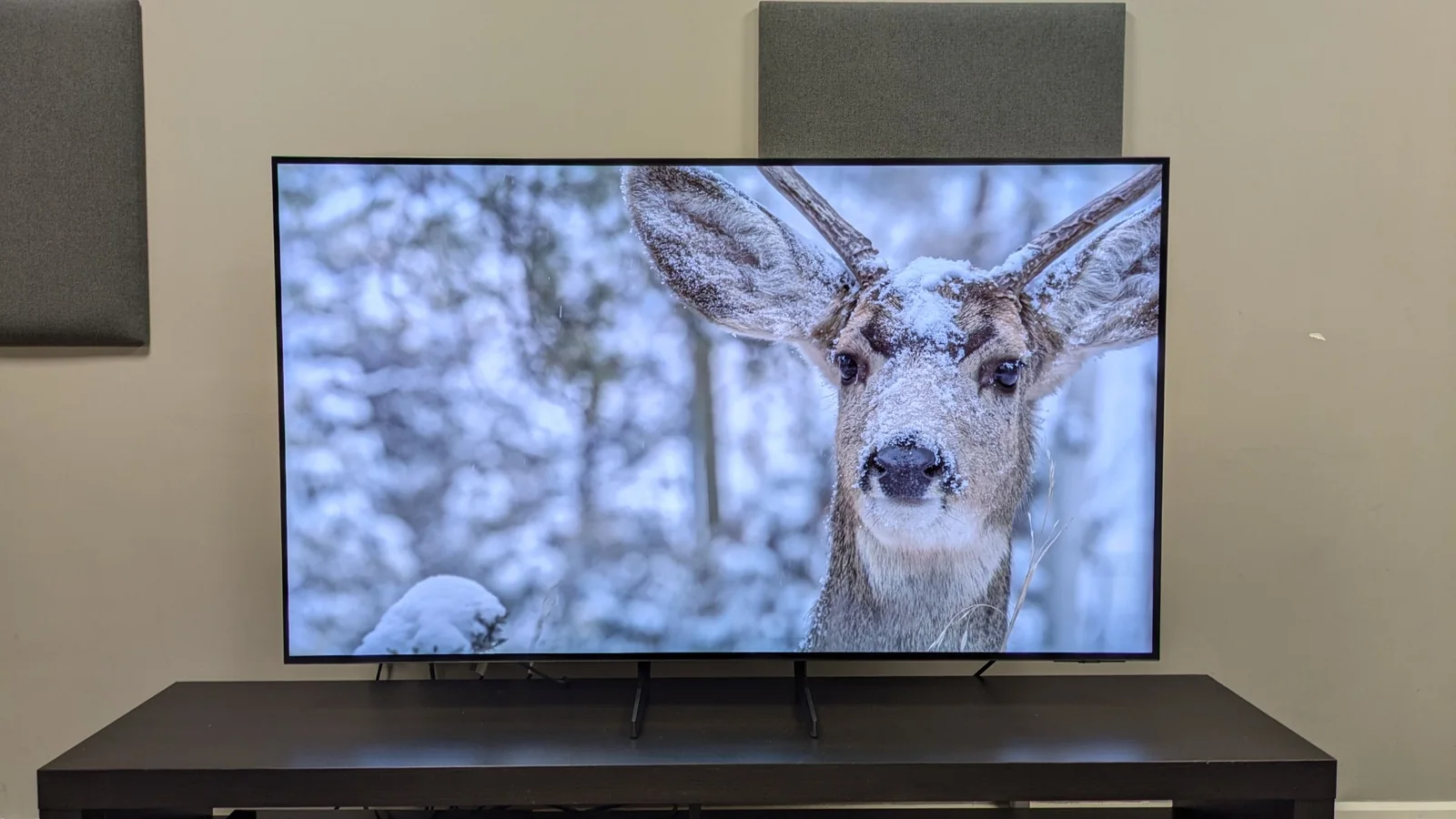
Televisions typically remain in primary living areas for roughly six to eight years. Households frequently replace functional units merely to obtain larger dimensions or higher resolutions, creating a surplus of working screens.
Relocating the unit to a secondary room or gifting it to someone in need offers an immediate solution. While smart platform software support usually expires after four to seven years, adding an external streaming device easily restores modern streaming functionality without purchasing a brand-new panel.
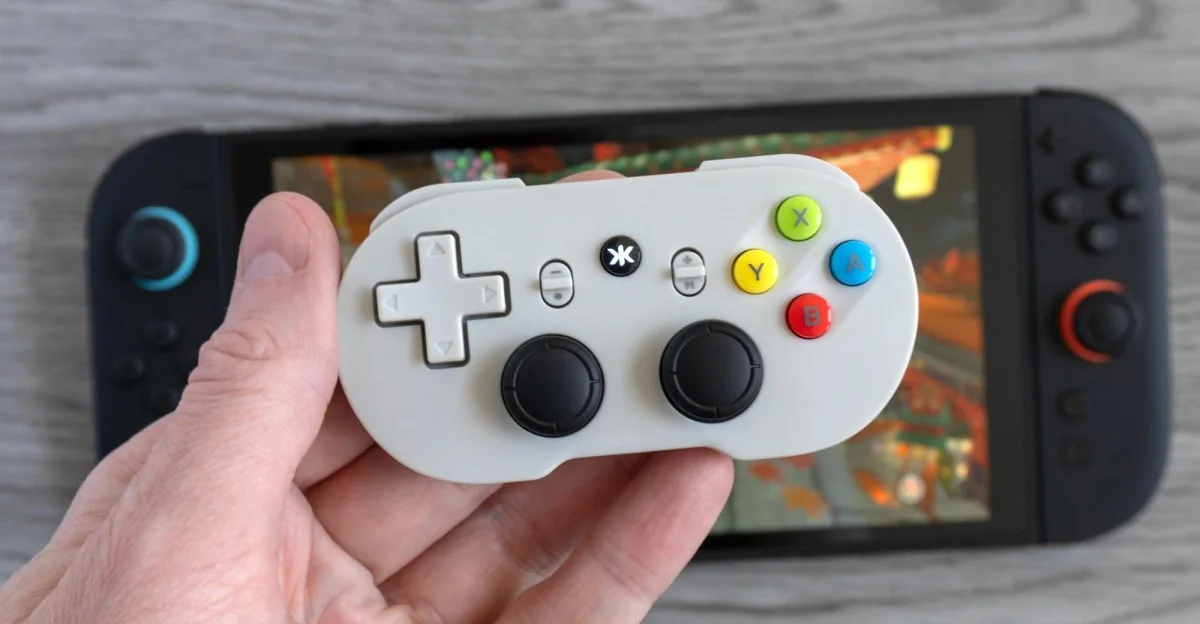
Operational older screens can serve effectively as computer displays or dedicated gaming monitors. Vintage cathode ray tube displays, in particular, retain distinct value due to high demand within retro gaming communities.
Selling or Donating
Sellers should maintain modest financial expectations since standard flat-panel displays often lose significant market value within their first few years of ownership.
Fully functional units lacking monetary resale value make excellent donations for charitable thrift organizations, friends, or local community members via free online classified listings.
Legacy cathode ray tube monitors require careful handling because their internal components feature leaded glass. Users must avoid dismantling these units amateurishly, especially given their resurgence among vintage video game enthusiasts.
Recycling Options
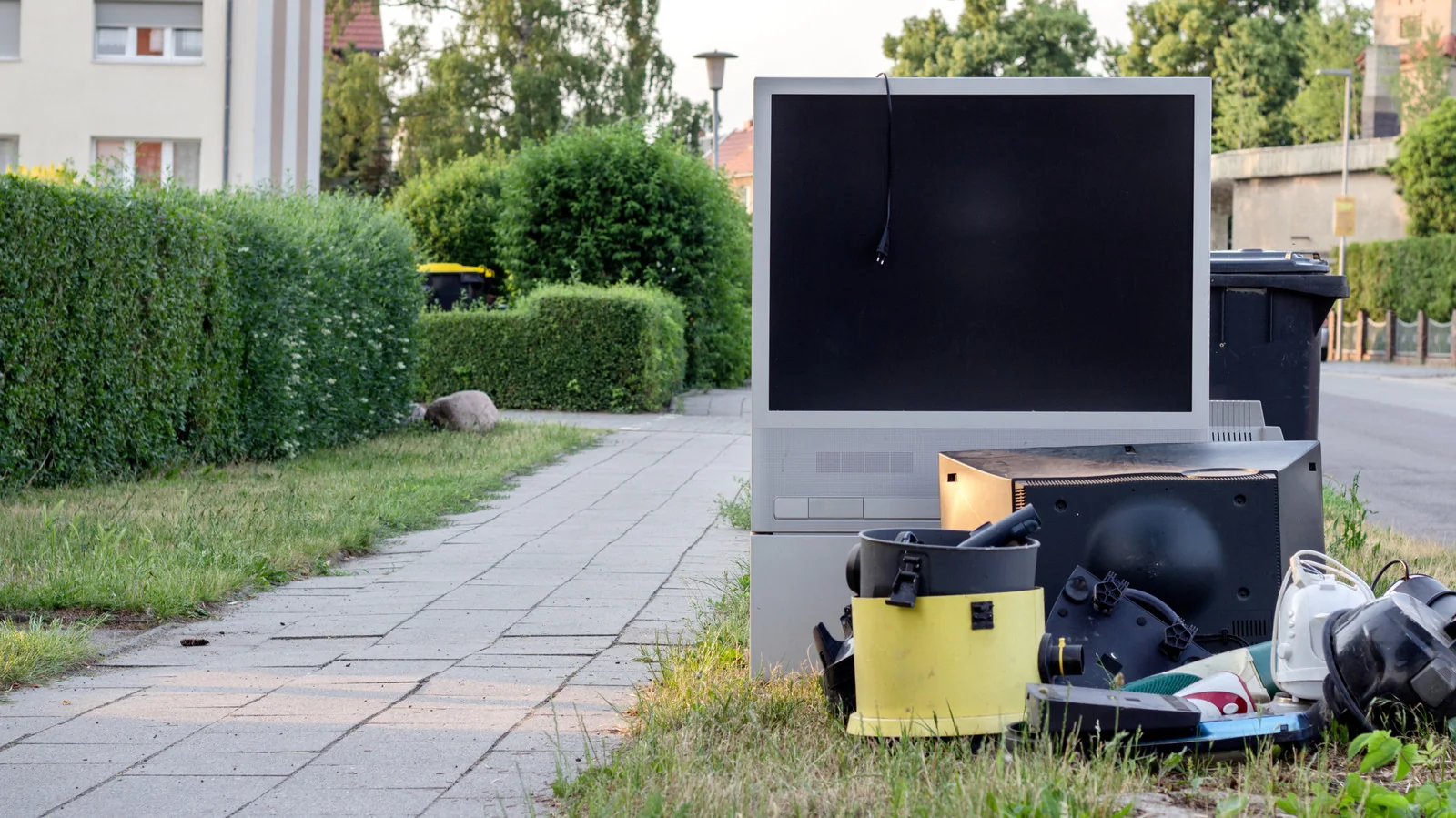
Broken or unwanted electronics require proper municipal or commercial electronic waste processing to mitigate environmental damage. Local regulations and recycling fees vary considerably by region.
Certain electronics vendors provide convenient hardware trade-in or haul-away services during new appliance deliveries. Anyone transporting flat-panel screens independently should secure the delicate glass surface and transport the chassis vertically.