Display and Design
The iPad Mini has historically occupied a unique niche as a lightweight, highly portable device ideal for reading and handheld media consumption. While previous iterations often felt underpowered or overpriced, the latest model introduces significant hardware improvements designed to address performance and screen quality.
This year’s model represents a thorough upgrade over its predecessor. Apple enlarged and refined the display while making the chassis thinner and lighter, accompanied by a major processor bump and improved physical durability.
The source review unit featured cellular connectivity, 512GB of storage, and the optional nano-texture matte display coating. While praised as the best iPad Mini yet, the higher-end configurations reach $1,249, and even the base Wi-Fi model starts at a steep $699.
For users heavily invested in the compact tablet format who are willing to pay a premium, the device delivers an exceptional experience, though buyers seeking broad versatility might find better value elsewhere in the tablet lineup.
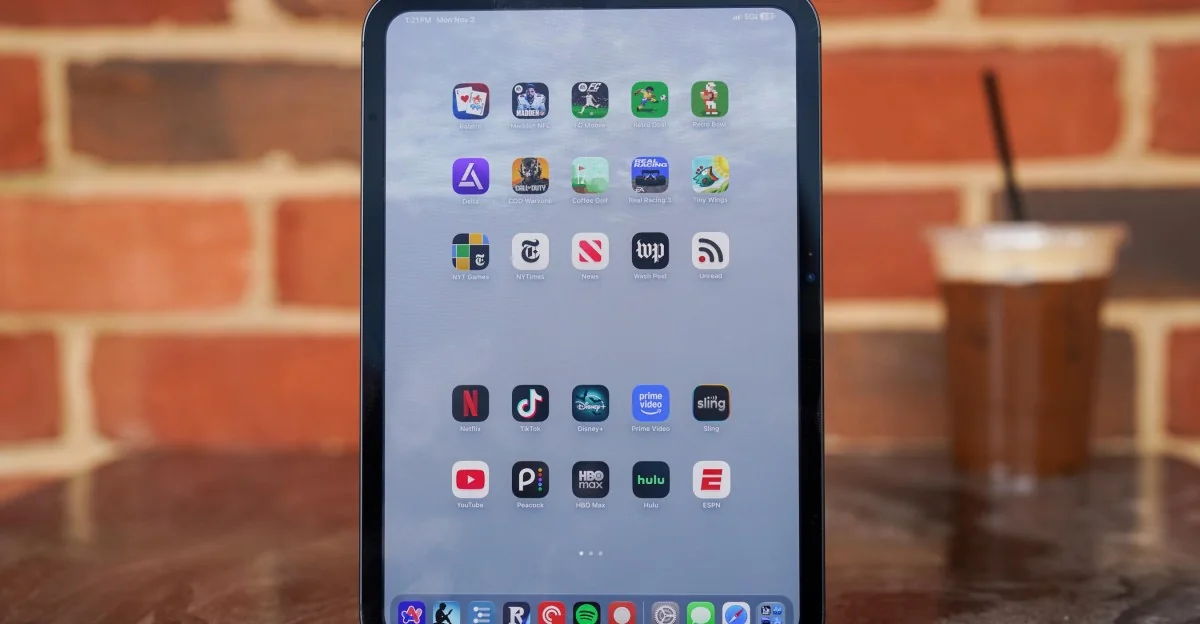
The new 8.5-inch OLED panel is a notable upgrade, delivering improved dynamic range, deeper blacks, and higher peak brightness. The optional nano-texture matte finish effectively cuts down reflections and glare in brightly lit environments, though it adds a $100 premium and requires upgrading the internal storage tier.
The anti-glare coating succeeds in letting users view the tablet comfortably under harsh overhead lighting without acting like a mirror, though some users may notice a slight shimmering effect on white backgrounds.
One notable limitation is the continued omission of ProMotion, capping the tablet's refresh rate at 60Hz. While pixel response times on the OLED panel help mitigate motion blur, the lack of a 120Hz refresh rate remains noticeable during fast scrolling, gaming, and precision stylus input.
Durability and Performance
The inclusion of an IP67 dust and water resistance rating marks a major practical upgrade for the form factor, protecting the device against accidental liquid immersion and foreign debris.
This ruggedization makes the hardware much more resilient for everyday environments such as kitchens or family use, alleviating concerns over routine spills or splashes.
The durability rating positions the device well for specialized field use cases, emphasizing structural resilience and everyday mobility over heavy creator workflows.
To achieve this water resistance, Apple removed traditional speaker holes in favor of an Acoustic Display that projects audio forward from the front panel, maintaining sound quality while sealing the chassis.
Powered by the A20 Pro chip, the new tablet delivers roughly a 50 percent boost in standard computing tasks and significantly faster graphical performance compared to prior generations, all while maintaining a steady nine-hour battery life.
The front-facing camera has been relocated to the landscape edge, though biometric authentication continues to rely exclusively on TouchID rather than FaceID.
Conclusion and Value
Overall, the latest iteration successfully refines the compact tablet category with robust internals and durable construction, though the 60Hz screen cap is a minor disappointment.
When evaluated against the broader ecosystem of tablet pricing, Apple's hardware remains consistently expensive across tiers.
Starting at $699, the new model commands a high premium over standard options, making it primarily targeted at dedicated enthusiasts who specifically demand a smaller screen format.
Score breakdown
Scored out of 10Price & Release Date
iPad Mini (2026)