Introduction
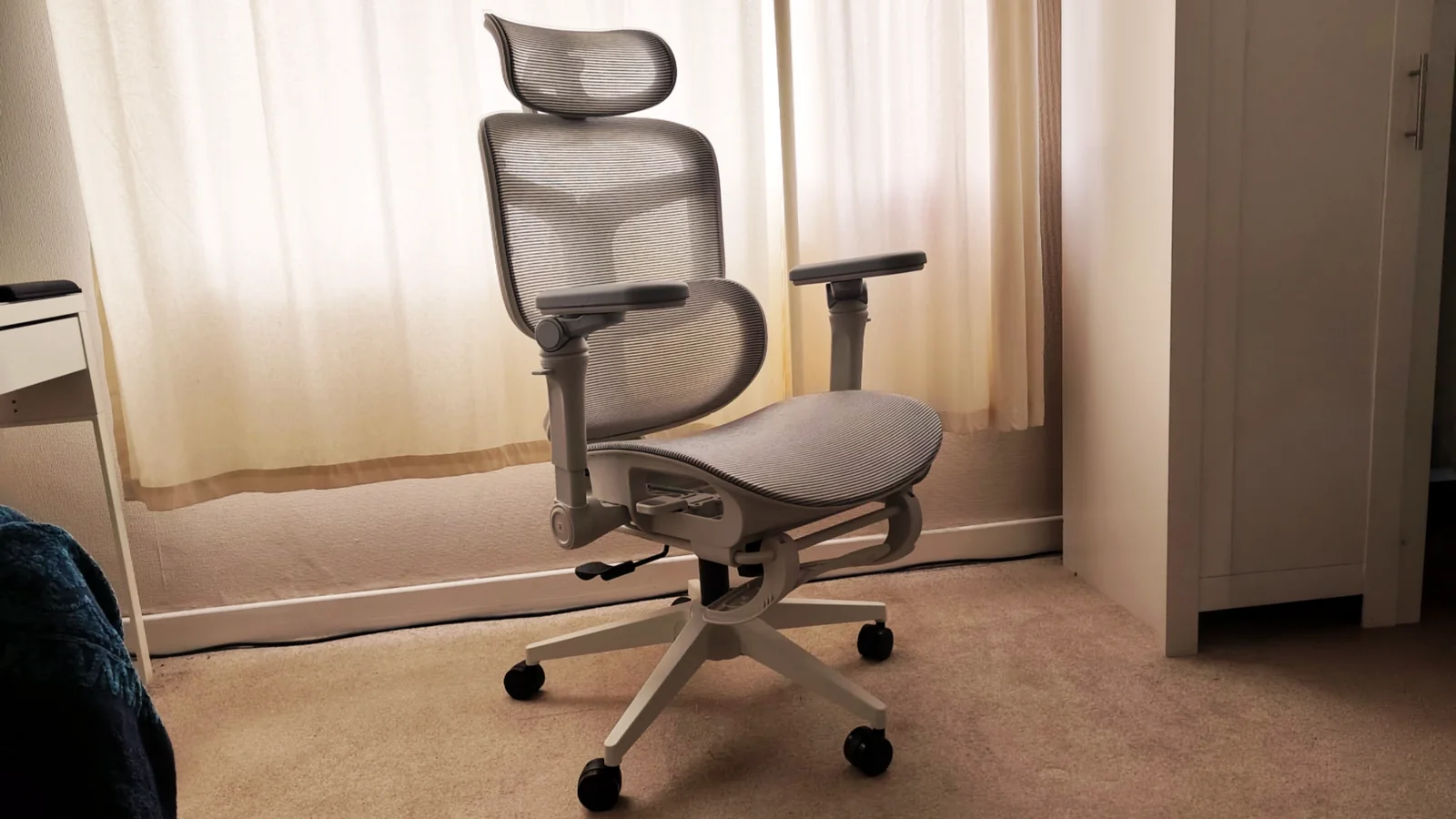
The Boulies EP600 stands out as a competitively priced option in the office chair market, offering notable comfort levels for daily desk work.
The chair includes numerous adjustments designed to optimize user comfort, notably incorporating adaptive lumbar support and versatile 6D armrests. While some adjustment mechanisms feel slightly fiddly, they remain straightforward to use once configured.
The EP600 serves well for both intensive office work and gaming sessions, proving versatile for mixed daily use.
For users spending long hours at a desk, the chair provides strong value relative to its mid-range price tag.
Price and Availability
The chair is available directly from the manufacturer in light gray and black colorways with hybrid mesh covering, retailing around $490 in the US and £430 in the UK.
Promotional sales often reduce the price significantly, making the included features—such as the built-in footrest and flexible armrests—feel exceptionally fair.
The model offers greater adjustability and comparable breathability to leading competitors in the same price tier.
Design and Build Quality
The aesthetic follows a traditional office chair layout. While functional, it does not feature an avant-garde design that stands out visually.
The construction features a thick plastic base with casters and a hybrid mesh seat that blends woven fabric and mesh for a soft, breathable surface.
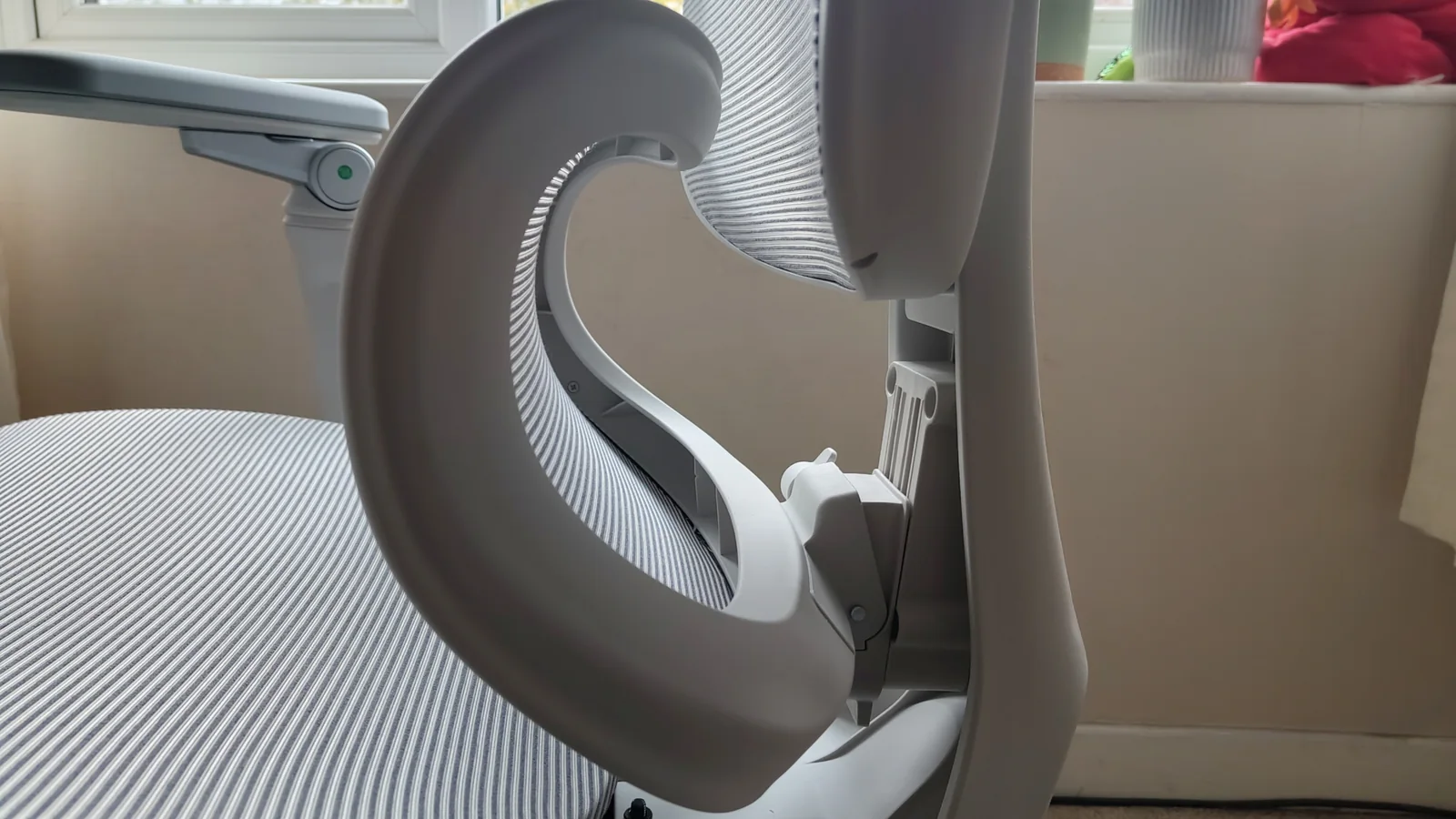
The two-part backrest includes an upper shoulder rest and an adjustable 4D lumbar support. The chair accommodates a wide range of user heights comfortably.
A wide convex headrest sits atop the backrest, accompanied by flexible 6D armrests that pivot in multiple directions.
The armrests utilize tactile detents rather than strict locking mechanisms, which may require an adjustment period for some users.
Build quality aligns with expectations for this price range, maintaining structural integrity and quiet operation during extended daily use.
Ergonomics and Performance
The EP600 provides strong all-day comfort suitable for lengthy work shifts without inducing physical fatigue.
Despite its numerous adjustable elements, the chair maintains an unpretentious profile that meets standard ergonomic expectations.
The backrest features a reliable recline and locking mechanism, complemented by a retractable under-seat footrest for relaxation.
A standout feature is the 4D adaptive lumbar support, which dynamically responds to body movement to maintain consistent lower back alignment.
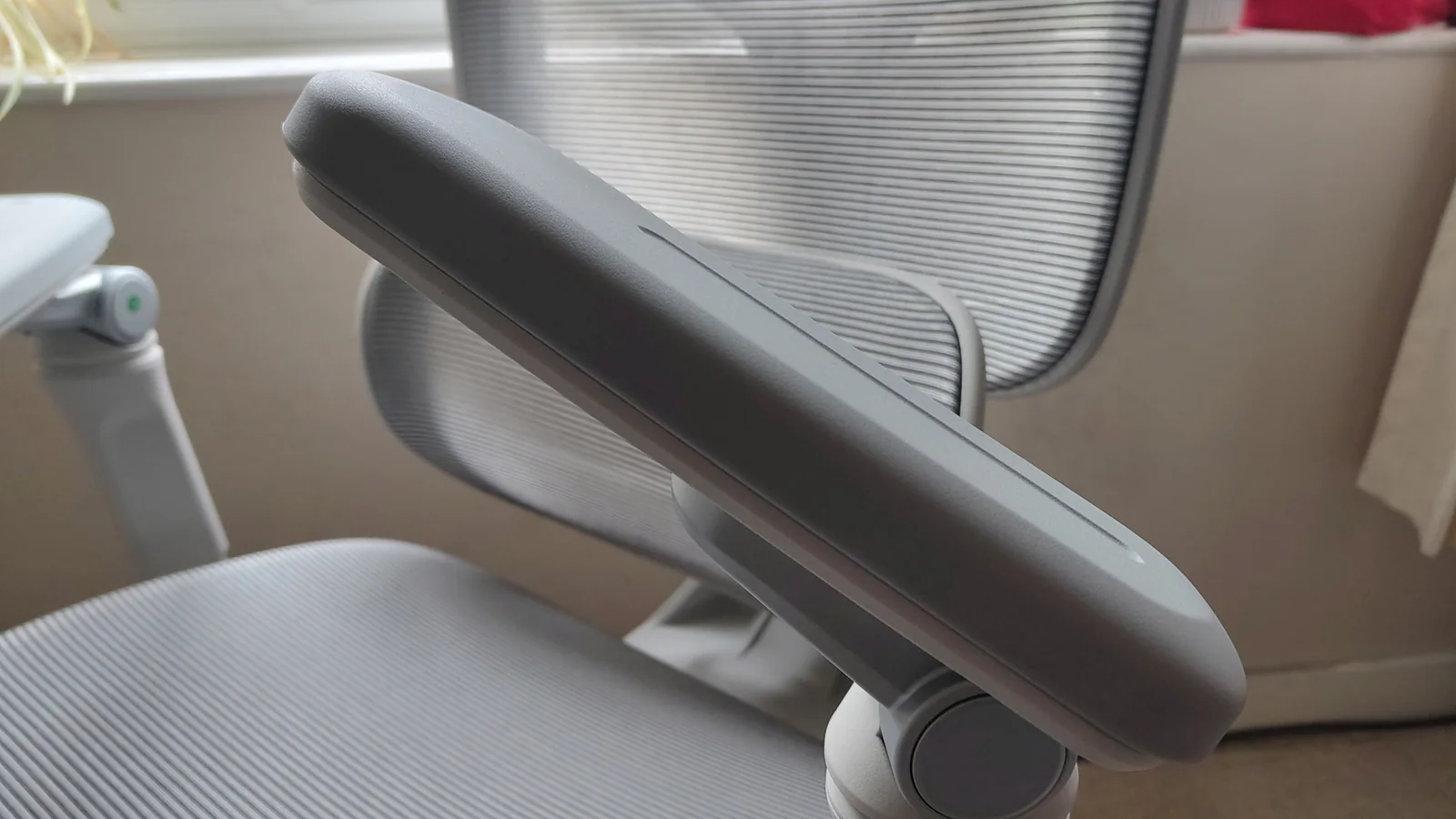
The 6D armrests offer good forearm and elbow support during typing or casual device use.
Certain adjustments, however, can feel less intuitive initially.
The seat depth adjustment utilizes a ring mechanism beneath the right side rather than a standard smooth-sliding lever.
Manually shifting the seat depth requires physical effort, as the mechanism can feel slightly rigid.
Once properly configured for a user's height, the seating experience remains comfortable throughout long sessions.
Conclusion
The Boulies EP600 successfully fulfills the core requirements for a mid-range office chair, balancing comfort, adjustability, and reliable support.
Despite minor control quirks, the chair justifies its cost, making it an easy recommendation for remote workers and multi-use setups.