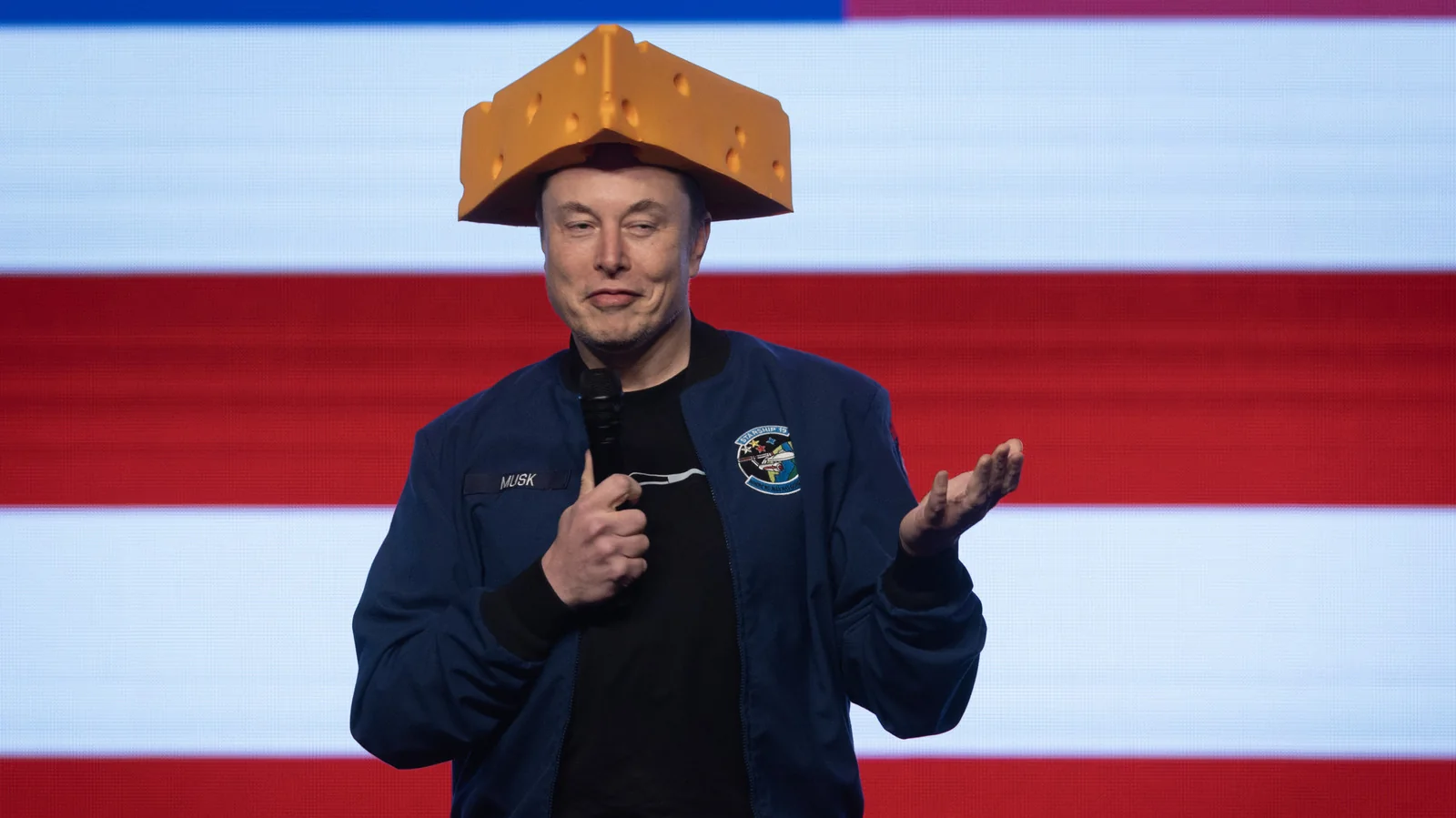
Elon Musk spent nearly $500 million on the midterms and lost big-time
This was the Cybertruck of elections.
Election Spending Overview
The midterms are mostly behind us, with several races still pending results. Despite ongoing counts, the election proved successful for Democrats and difficult for billionaire Elon Musk. According to FEC filings analyzed by Forbes, the Tesla CEO spent nearly $500 million to back Republican candidates.
Musk emerged as the single largest individual donor of the election cycle, far outpacing the second-place billionaire couple Dick and Liz Uihlein by more than a factor of three.
Guess my election-interfering space lasers didn't work this time 🤷♂️ — Elon Musk (@elonmusk) November 4, 2026
Impact in Texas and Nationwide
A substantial portion of his funding targeted his adopted home state of Texas, where CNBC reported he funneled around $225 million. The state delivered significant shifts as a senate seat and the governorship flipped blue, alongside numerous house and state congressional seats.
Musk also distributed funds to various Super PACs and candidates nationwide, supporting Republicans in 106 House and Senate races. Out of those, 18 candidates secured victories primarily in safe red districts, while 45 races resulted in losses and 43 remained uncalled.
Elon Musk dropped nearly half a billion dollars on the midterms. 98% of the money he spent on specific candidates went to losers. pic.twitter.com/NvaHP4cwJx — Steve Rattner (@SteveRattner) November 4, 2026
Additional high-profile losses for Musk-backed candidates occurred in states including Maine, Michigan, Minnesota, Kansas, and Iowa, though these metrics remain subject to change as remaining races are finalized.
Political Rhetoric and Financial Standing
In the lead-up to the vote, Musk expressed concern that a Democratic victory would signify severe consequences for democracy and voiced strong opposition to specific local candidates.
Despite the electoral setbacks, Musk maintains an estimated net worth of around $898 billion, leaving him with substantial financial resources for future political cycles.