Google Fitbit Edge: Two-minute review
The Google Fitbit Edge occupies a middle tier in Google’s current wearables lineup, positioned between the screenless Fitbit Air and the full-featured Pixel Watch series.
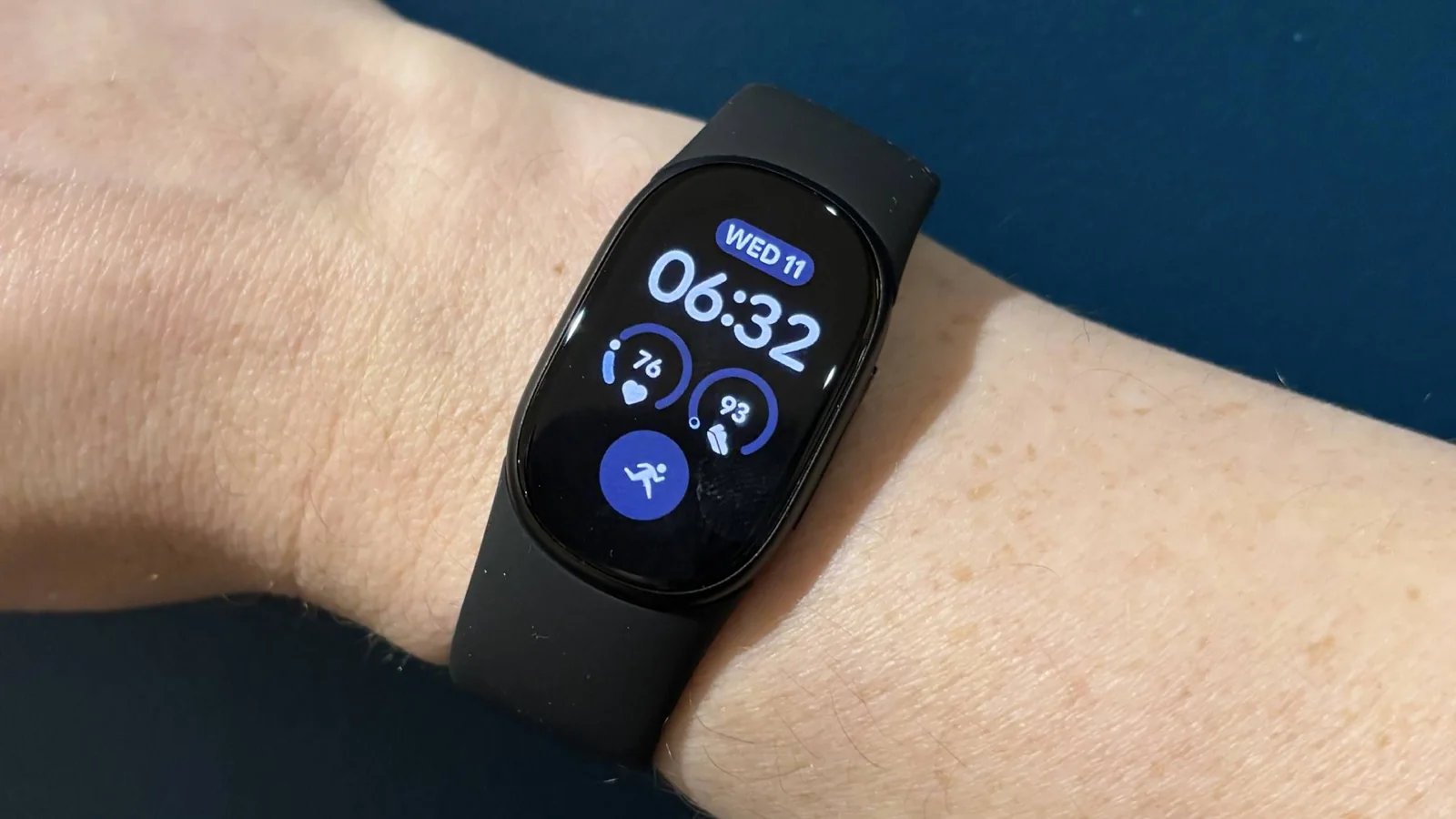
While it lacks the advanced Wear OS functionality found in the Pixel Watch 5, the Edge provides a touchscreen interface, built-in GPS, and a tactile button for media control and notifications.
The device is designed for those who prefer a lightweight, unobtrusive tracker. It supports interchangeable straps and offers a balance between manual interaction and background health monitoring.
Key features include automatic workout detection and a battery life lasting approximately one week. It does not support NFC payments or advanced call management.
Health and Performance
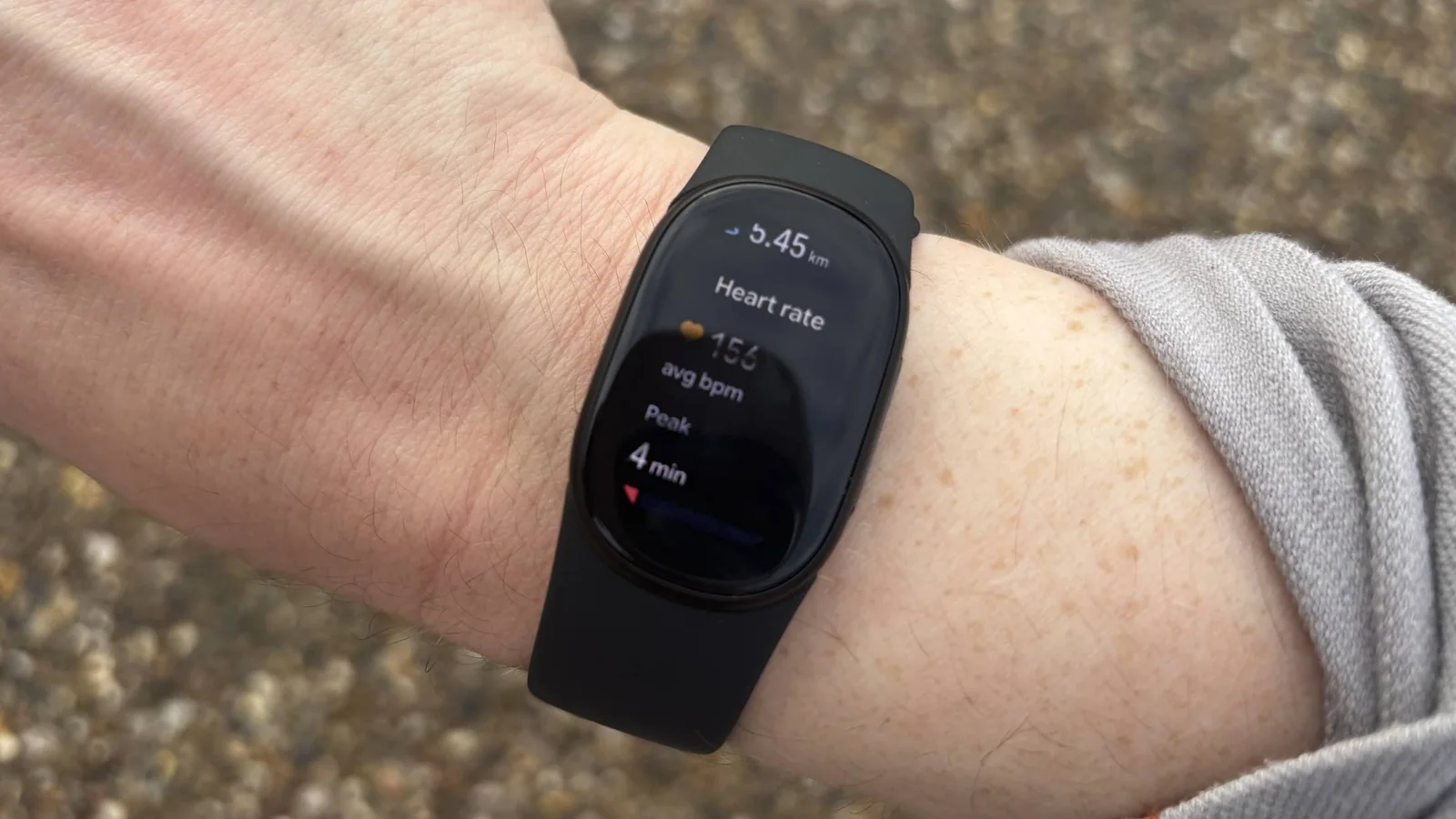
The Edge includes health monitoring tools such as ECG scans, blood pressure trends, and irregular rhythm notifications. The heart-rate sensor has proven highly accurate in comparative testing.
While the heart-rate sensor performs reliably, the device's GPS accuracy is less consistent. The source review noted that the tracker frequently overestimated distance and pace during outdoor runs.
Automatic activity tracking is a standout feature, reliably logging workouts in the background without requiring manual input, though the data is best viewed within the Google Health app.
The Google Health app remains a point of contention, as its design heavily favors the premium chatbot service, often burying metrics for users on the free tier.
Overall, the Edge is a well-priced, comfortable device for users who appreciate the traditional Fitbit experience but may find the current software ecosystem restrictive.
The device is priced at $179.99 / £159.99 / AU$269, positioning it against competitors like the Garmin Cirqa and Apple Watch SE 3.
Google Fitbit Edge: Price and availability
The Google Fitbit Edge is available for $179.99 / £159.99 / AU$269.
It competes directly with devices such as the Garmin Cirqa, Apple Watch SE 3, and Samsung Galaxy Watch9.
While competitors may offer superior performance in specific areas, the Edge remains a sleek and unobtrusive option for general fitness tracking.
Runners are advised to look toward specialized running watches, while Apple users may find more value in the SE 3.
The Edge is best suited for those who want a simple screen for media control, timers, and basic health metrics.
For those seeking a screenless alternative, the Garmin Cirqa remains a strong contender at a similar price point.
Buy it if…
You want a reliable, 'set and forget' fitness tracker with excellent automatic activity detection.
You value a lightweight design and a touchscreen for basic interactions like media control.
Don’t buy it if…
You are a dedicated runner who requires high-precision GPS for pace and distance tracking.
You prefer a comprehensive, free-to-use app experience without a focus on premium AI-driven coaching.
You require advanced smartwatch features like NFC payments or full call management.
The Google Health app's current structure may limit the utility for users who do not wish to subscribe to premium services.
Google Fitbit Edge: Also consider
The Garmin Cirqa is a recommended alternative for those interested in a screenless fitness tracker at a comparable price.
Consider the Apple Watch SE 3 if you are already within the Apple ecosystem.
The Samsung Galaxy Watch9 is another viable option for those seeking more robust smartwatch capabilities.
Score breakdown
Scored out of 10Price & Release Date
Google Fitbit Edge