Google Japan created one of the strangest keyboards ever, and we're dying to try it
A keyboard that brings the keys to your fingers and brings the ambience of an assembly line to your desk.
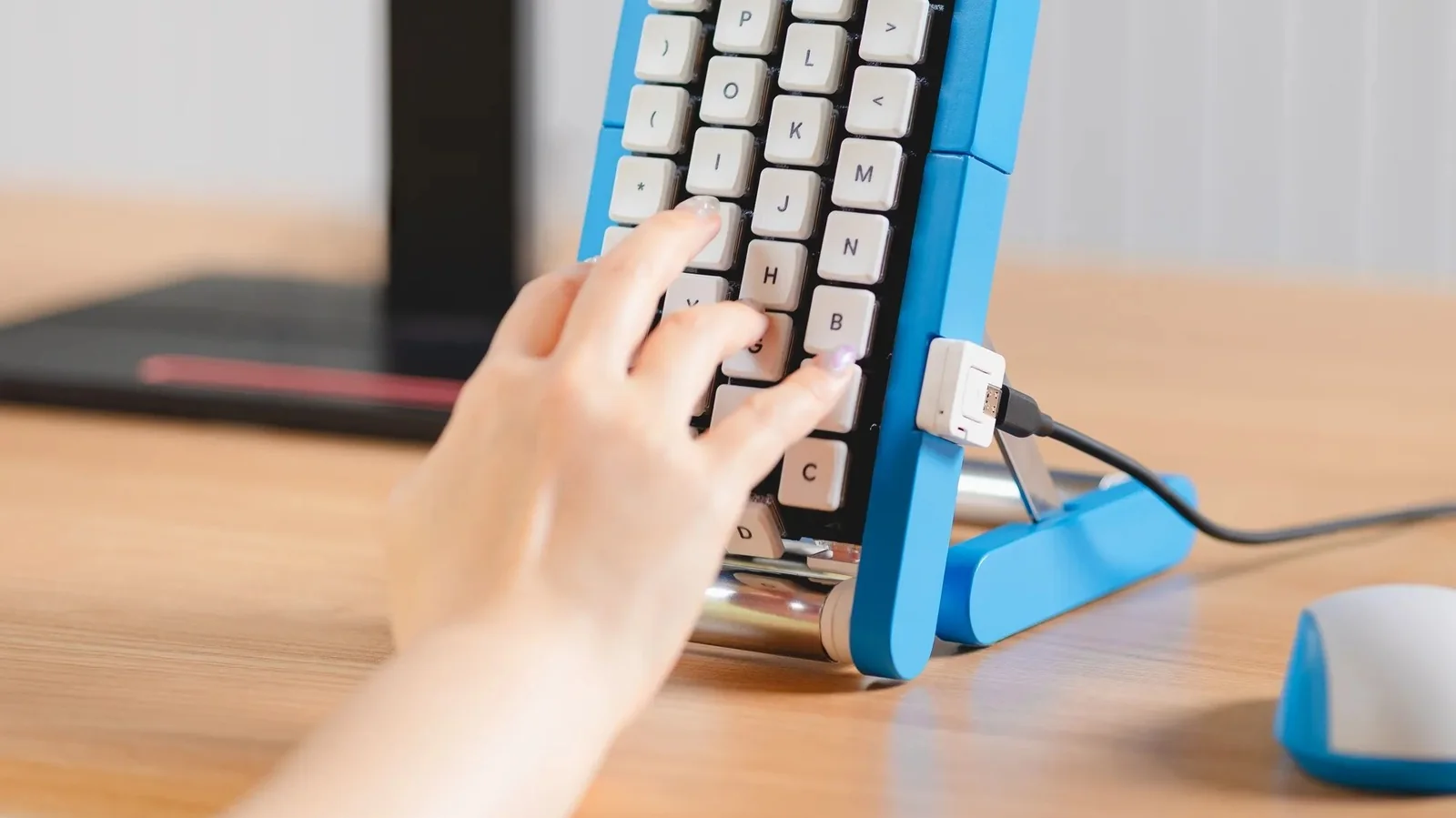
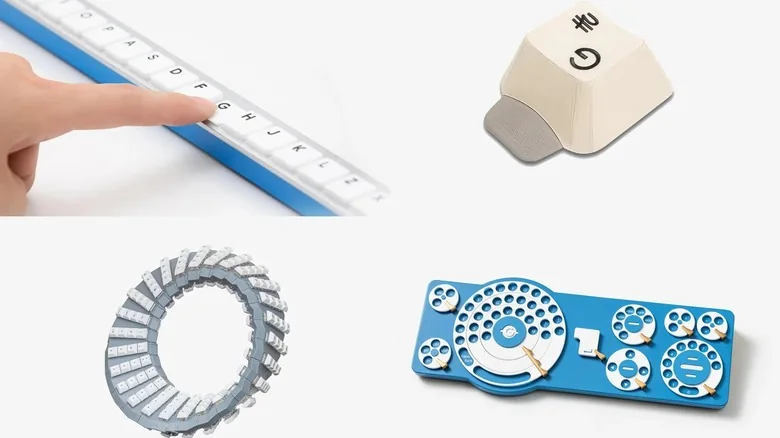
Have you ever wished you could combine a mechanical keyboard with the efficiency of a factory production line? If not, you lack the vision of Google Japan, which recently made waves when it showed off a conveyor belt keyboard. The device looks like a combination of an office keyboard and a treadmill, with keys that flow into your hand via a rotating mechanism.
The conveyor belt keyboard is, of course, a joke. It is part of an annual tradition intended to draw attention to Gboard, Google's keyboard app for Android. The tradition began on April Fools' Day in 2010 with a drumset keyboard featuring hundreds of keys, and shifted to an October release schedule in 2016.
While the conveyor belt keyboard is not available for commercial purchase, Google has made the blueprints and plans available on GitHub for anyone willing to build it as a DIY project. The team claims the device is designed for one-handed use and reduces fatigue because users simply wait for the correct keys to arrive under their fingertips.
What other wacky keyboards has Google Japan built?
Since the initial drumset keyboard concept in 2010, Google Japan has released a new suggestion from the Gboard team each year, resulting in a long lineup of amusing hardware experiments.
In 2012, the team designed a Morse code keyboard consisting of a single key. Years later, in 2018, Google officially introduced Morse code input to Gboard on Android.
The 2013 flipcard keyboard forced users to press a single button, triggering a mechanism that cycled through every character until the right one was reached.
The 2014 concept utilized a joystick-controlled finger on a robotic arm, ostensibly helping people with long or painted nails type on touchscreens more easily.
The 2015 party blower keyboard used an infrared sensor to detect how hard a user was blowing to determine which character was being typed.
In 2016, Google built a mechanical flick typing keyboard featuring keys mounted on joystick gimbals to mimic the popular Japanese smartphone text entry method.
The 2017 bubble wrap keyboard purported to scan a sheet of bubble wrap and translate popped air cells into textual characters.
The 2018 handwriting keyboard allowed users to draw characters directly on top of the physical keyboard keys.
The 2019 spoon keyboard was operated by bending a metal soup spoon, registering input based on the degree of the bend.
In 2021, Google Japan returned with a traditional Japanese teacup keyboard, placing keys around the exterior of the cup to prevent liquid spill damage.
The 2022 bar version arranged the entire alphabet in a single row for users struggling with traditional keyboard layouts.
The 2023 hat version was shaped like a massive keycap, requiring the user to rotate it on their head and press down to enter characters.
The 2024 double-sided version featured a Mobius strip design with keys on both sides.
The 2025 rotary phone keyboard required users to select characters by dragging them in a circle around a rotary interface.