Ring is scheduled to ship its flying indoor drone camera, arriving for $249.99 following years of development.
Hands-on with Ring’s new AI drone camera for your home
The Drone Cam serves as the spiritual successor to earlier concept flying cameras, positioned to bring aerial security into consumer homes.
Ring’s new Drone Cam functions as an automated indoor security camera capable of moving dynamically throughout a residence.
Design and Navigation Features
The device is built to fly into homes to handle routine patrols or respond to security triggers.
Designed to patrol inside a residence when occupants are away, the Drone Cam reacts to triggers from security sensors such as motion detectors, open doors, or active alarms, flying along preprogrammed paths to livestream and record activity.
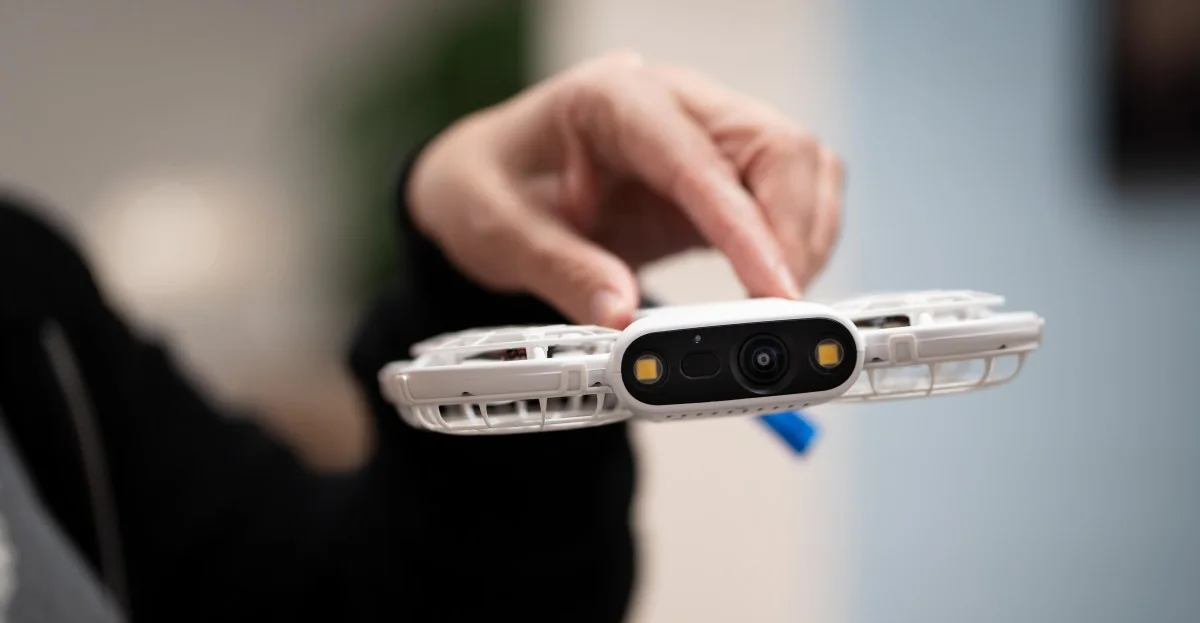
The drone can execute scheduled patrols or deploy on demand, offering 2K resolution, a 148-degree field of view, and comprehensive 360-degree room coverage through its mobility.
The Drone Cam features a compact build, weighing a lightweight 165 grams.
It relies minimally on onboard hardware sensors, utilizing advanced artificial intelligence models to handle flight operations.
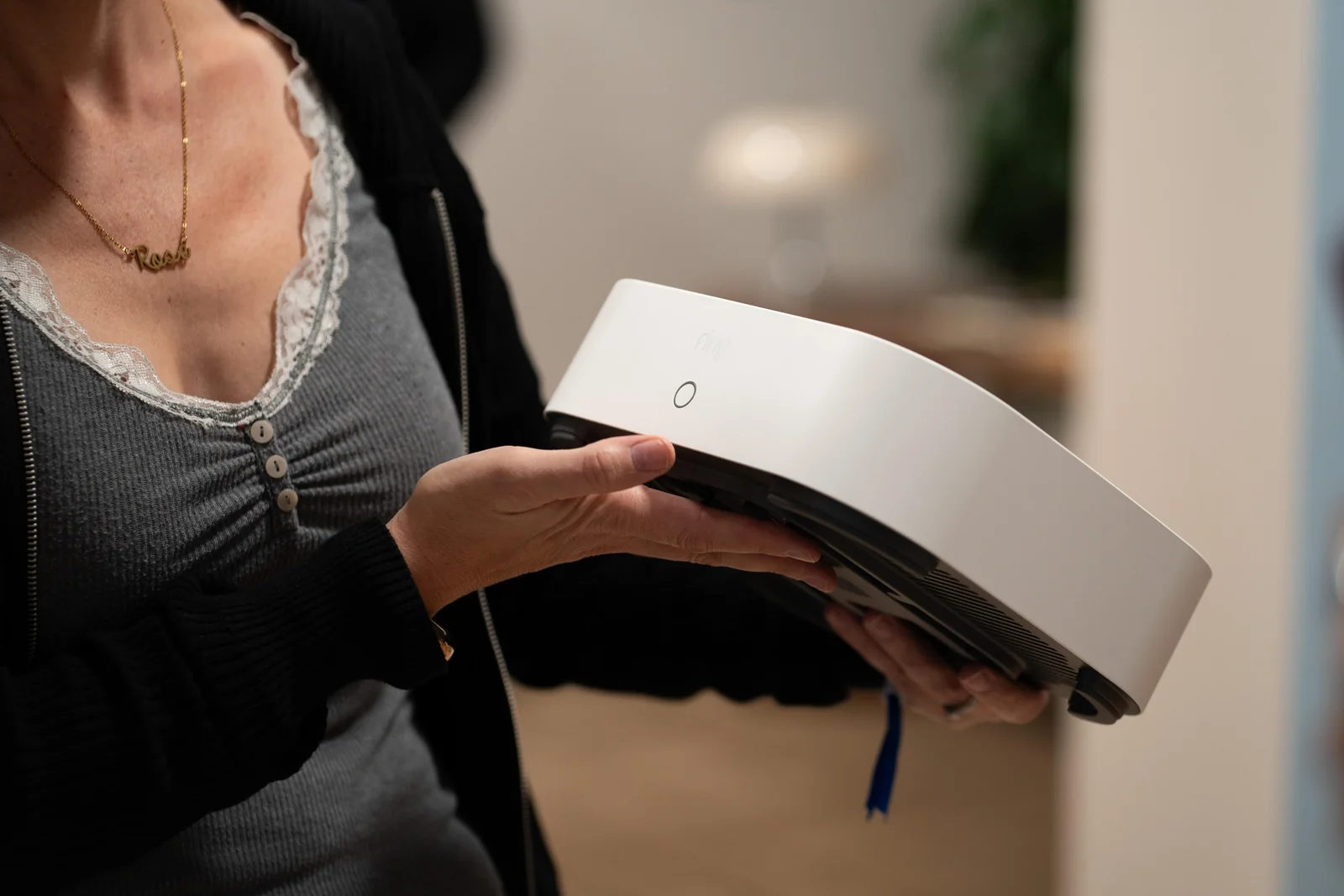
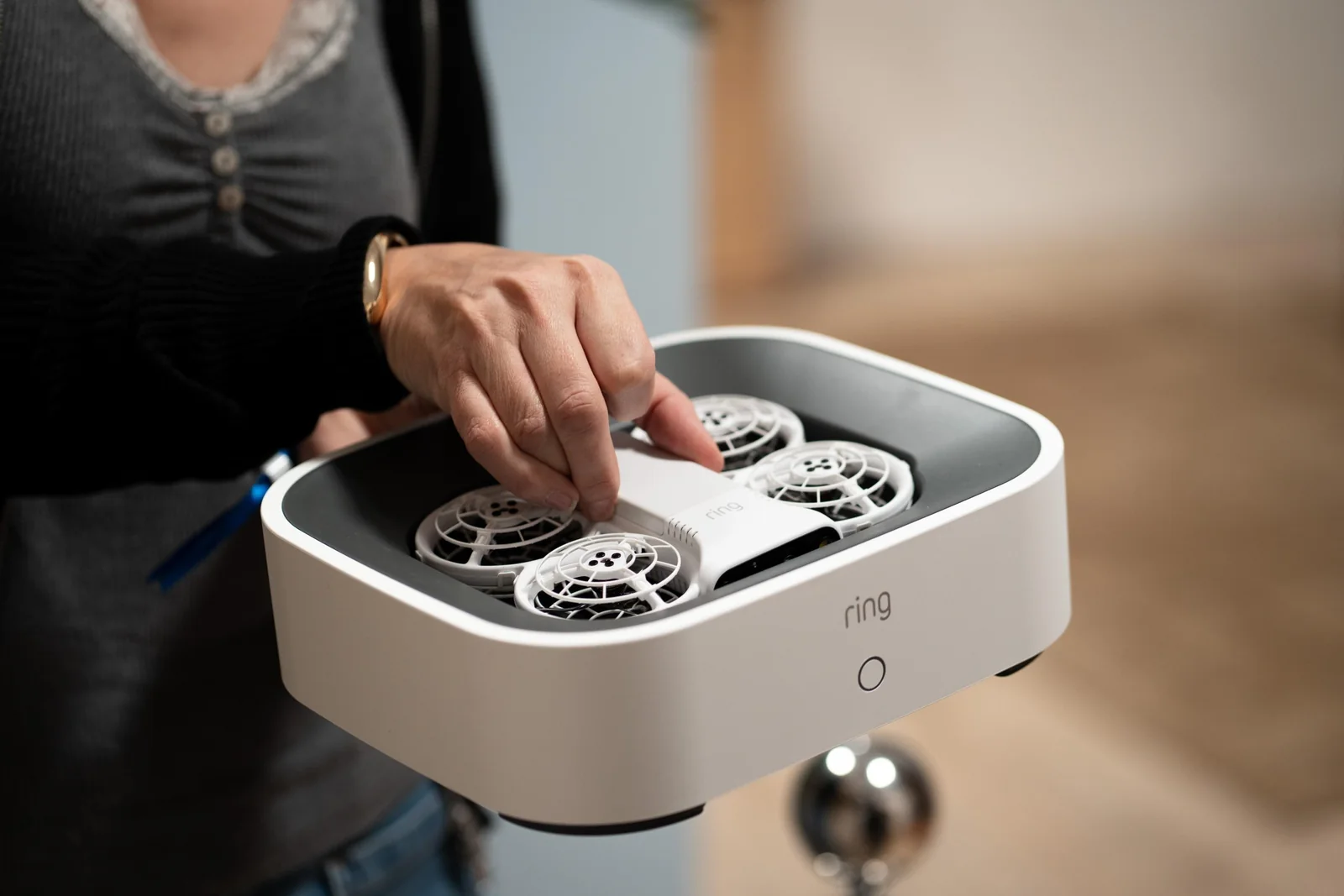
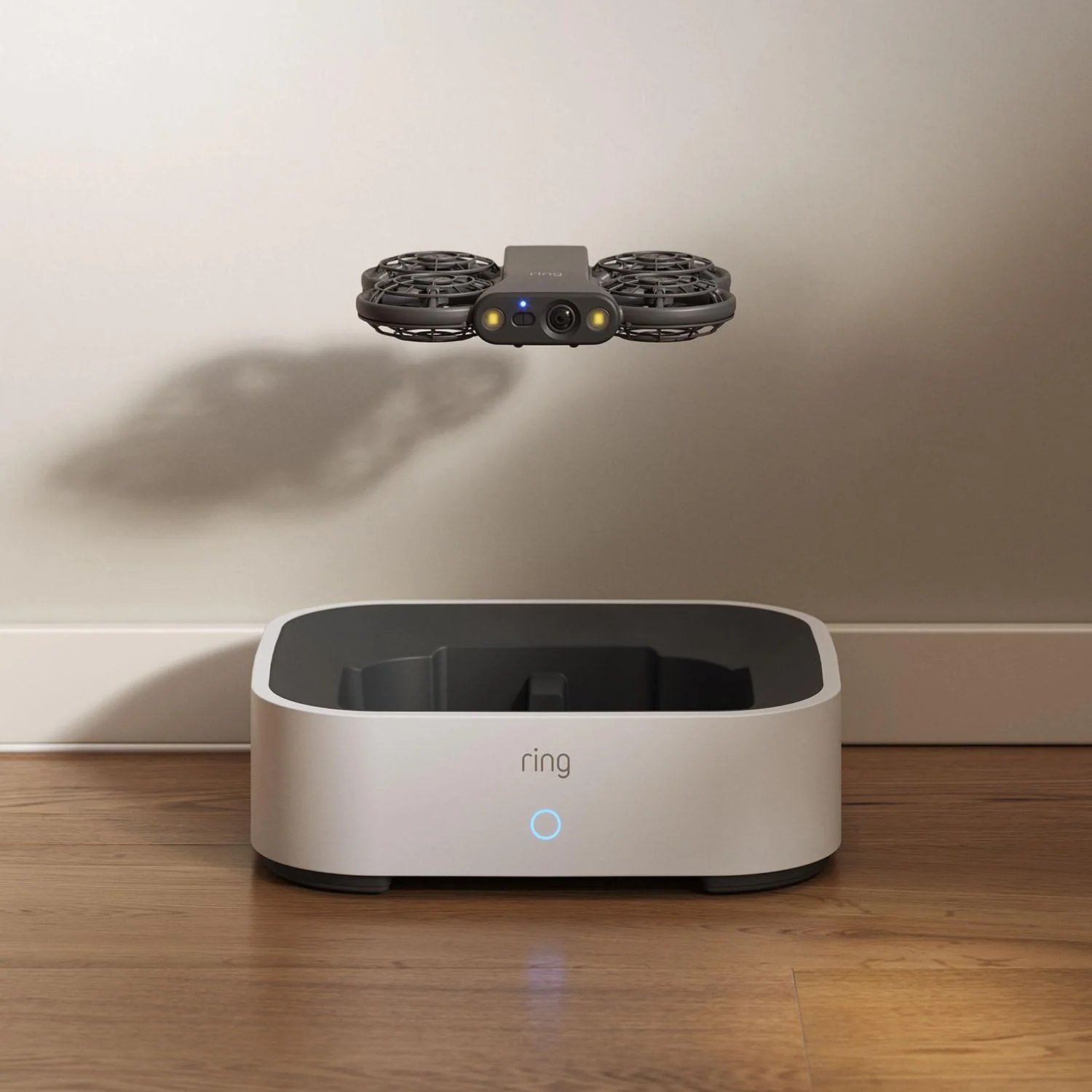
A dedicated charging dock replenishes the unit between flights.
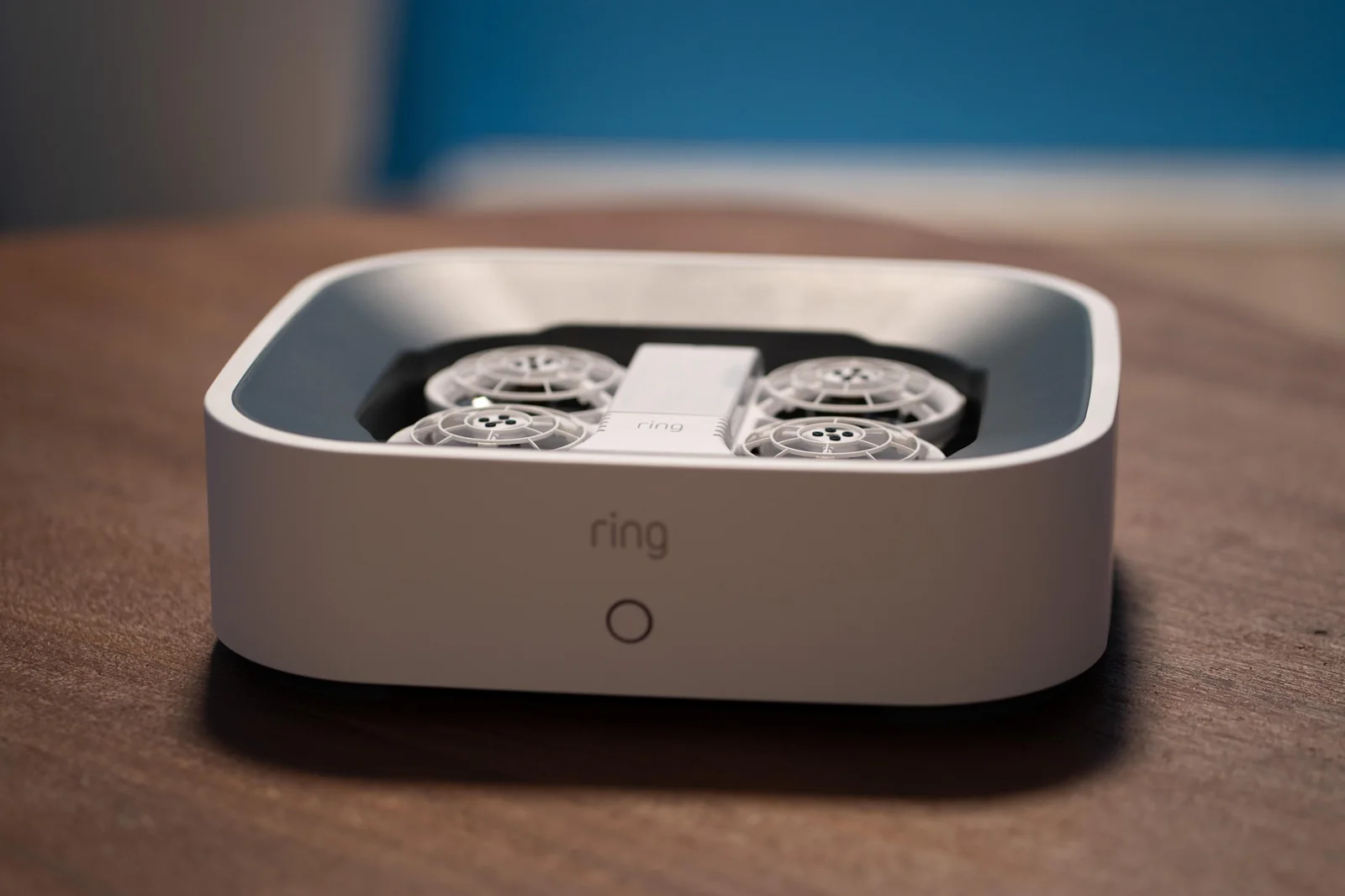
When docked, the camera mechanism remains fully covered for privacy assurance.
The product aims to reduce the necessity for multiple stationary cameras by providing flexible observation capabilities across various rooms.
Built for indoor use only, the system records exclusively while in flight. The camera is physically shuttered upon docking, and the operational noise generated during flight prevents stealthy movement.
Video feeds are secured using a key rotation encryption system designed to limit persistent server-side access while supporting cloud-driven features like smart alerts.
Source evaluations noted that the hardware is significantly smaller than earlier prototypes, integrating the camera cleanly into the main body.
Battery limitations provide roughly five to eight minutes of continuous flight time, requiring a lengthy charging interval afterward, which confines the device primarily to short check-ins.
Demonstrations confirmed smooth takeoff, hovering, and navigation along pre-planned routes with minimal wobble.
The hardware supports stair navigation and includes LED spotlights, though obstacle interaction during live testing remained limited.
Development and Cloud Dependency
Engineering the drone required overcoming significant cost and design challenges to fit autonomous flight technology under a $250 price point.
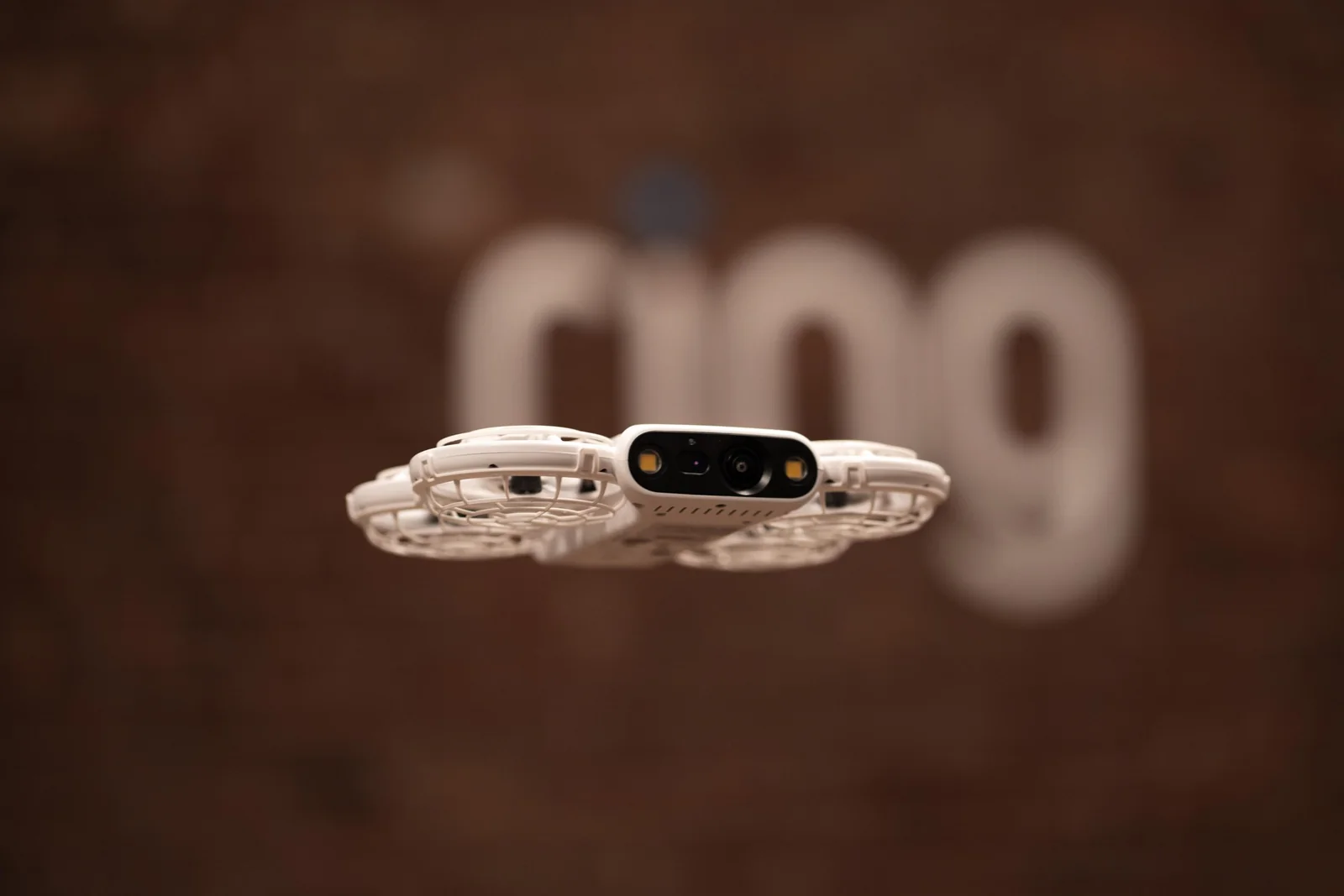
The proprietary AI navigation architecture combines local camera inputs with cloud processing to map environments and bypass obstacles, though it remains entirely dependent on an active internet connection.
The Drone Cam debuts within a new robotics lineup tailored for consumer security applications.
The devices integrate with standard smartphone applications and require a protective service plan for complete video storage capabilities.
Market rollout is scheduled for early next year.
Regulatory compliance processes remain underway as the device faces standard industry scrutiny for connected consumer flying hardware.
The introduction of an autonomous indoor camera drone is expected to prompt fresh discussions regarding domestic privacy and surveillance.
Score breakdown
Scored out of 10Price & Release Date
Ring Drone Cam