How Long Google Pixel Phones Receive Software Updates
Google offers robust support for Pixel devices, but not all models enjoy the same extended timeline.
Understanding Pixel Support Windows
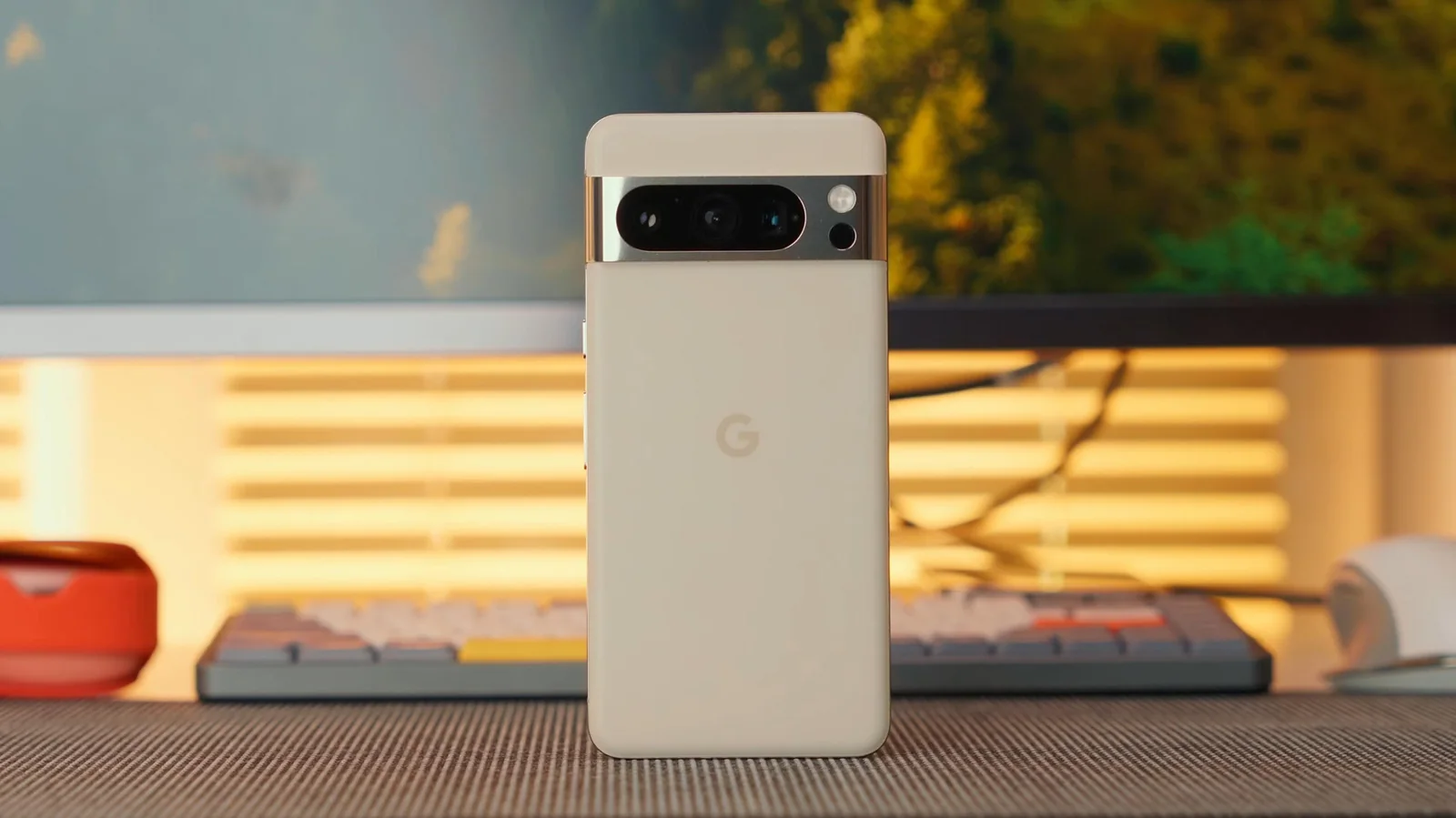
With the release of the Pixel 8 in 2023, Google announced that future Pixel phones would receive seven years of software updates, covering both routine security patches and major OS upgrades. This was a significant commitment compared to previous industry standards, helping older Android devices retain value for longer periods.
Determining how many years of life your device has left depends on its exact launch month and year, as Google begins the service window when the smartphone becomes available on the US Google Store.
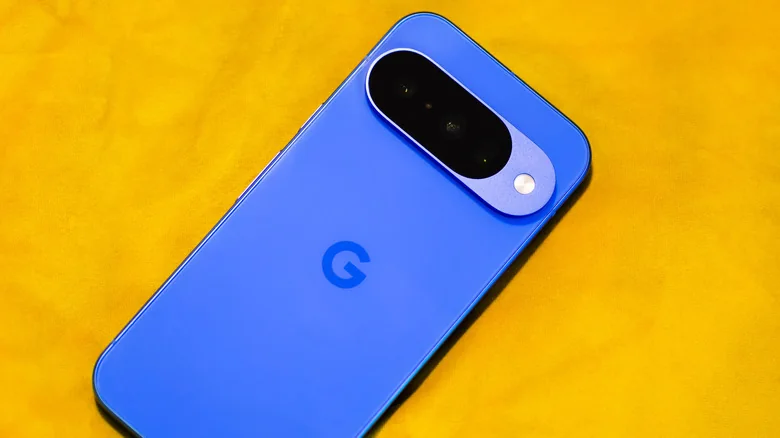
Newer Pixel Phones Get Five to Seven Years of Support
All Pixel models from the original release through the Pixel 5a are considered obsolete and no longer receive official updates.
Devices in the Pixel 6 and 7 families, alongside the original Pixel Fold, receive updates for five years from their launch month. For example, the Pixel 7 and 7 Pro receive final updates by October 2027, while the Pixel 6 and 6 Pro end support in October 2026. A-series devices follow a different release cadence, meaning the Pixel 7a ceases updates after May 2028 and the Pixel 6a loses support after July 2027.
The Pixel 8 series and later are guaranteed seven years of support. The Pixel 8 and 8 Pro stop receiving updates after October 2030, while the Pixel 9 and 9 Pro reach their limit in late 2031, followed by subsequent generations in later years.
For the budget-focused lineup, the Pixel 8a support expires in May 2031, the Pixel 9a in April 2032, and the Pixel 10a receives its final update around March 2033.
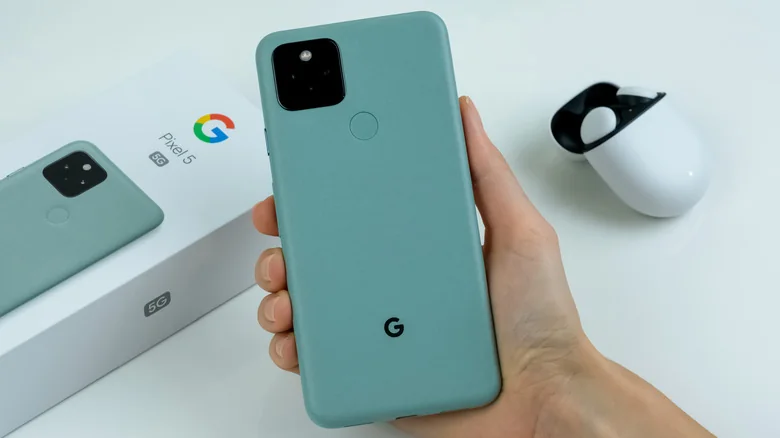
Life After Official Support
Continuing to use a Pixel phone after official updates cease leaves the device exposed to security risks. Because routine monthly patches stop, newly discovered vulnerabilities go unfixed, making an upgrade recommended for optimal safety.
While installing custom ROMs or alternative operating systems like GrapheneOS or LineageOS can extend hardware usability, they do not provide full protection from security threats without original equipment manufacturer firmware, kernel, and vendor code support.
LineageOS remains a well-supported option for older hardware, though running an unlocked bootloader means apps requiring strict hardware-verified security, such as mobile banking apps and certain games, may no longer function properly.