How is Microsoft's Magnetic Connect different from Apple's MagSafe for MacBooks?
Microsoft is pretty excited about its new charger.
While Microsoft's October press event was heavily AI-oriented, the company did have major announcements regarding the Surface Laptop Ultra. It's powered by NVIDIA's RTX Spark platform and sports up to 128GB of shared system and graphics RAM. In a demonstration, Microsoft showed it running demanding applications simultaneously without missing a heartbeat.
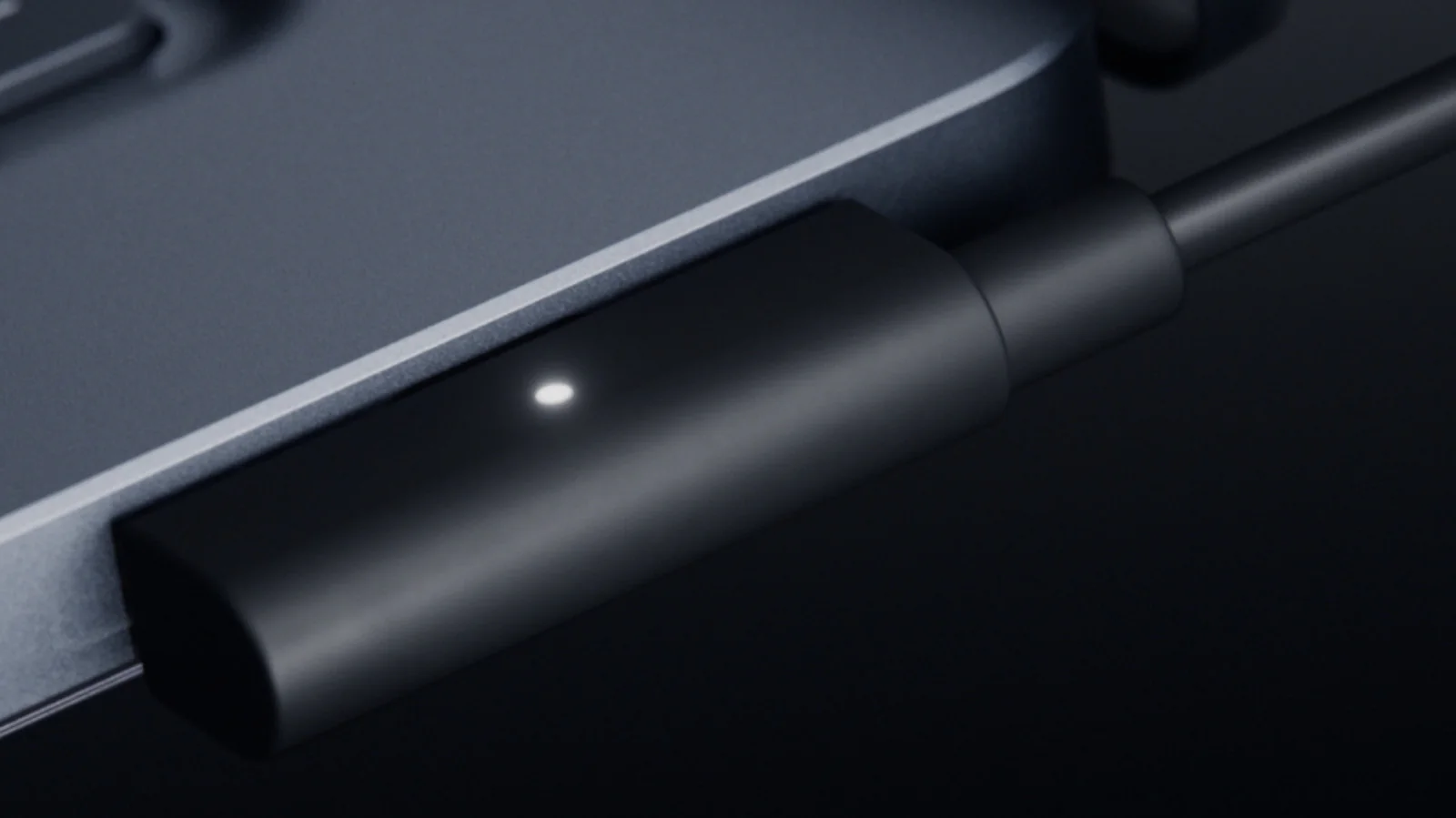
One smaller point that captured attention was a new power port dubbed Magnetic Connect. Charging tech isn't normally a primary focus, yet Microsoft devoted a portion of the show to it.
For Apple fans, the tech was immediately reminiscent of the MagSafe charging ports on MacBooks. There are a couple of important differences, though, and it raises questions about whether Apple might eventually adopt a similar open approach.
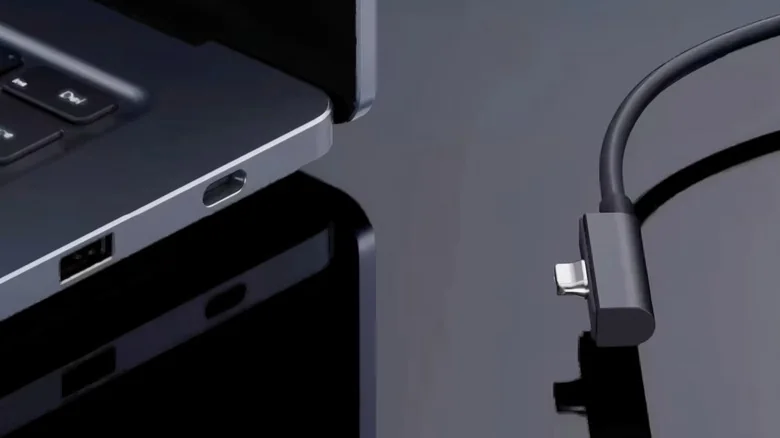
Fixing MagSafe's problems for future PCs
The major difference is that whereas MagSafe is a proprietary port in the tradition of other Apple formats like Lightning, Magnetic Connect really isn't. It's a Power Delivery-equipped USB-C port paired with a custom magnetic charging cable. The cable's connector aligns automatically and uses a special funnel-shaped tip to slide in smoothly.
This matters because the port can be used for other functions when you're not charging. You can hook up an external monitor, a keyboard, a smartphone, or any other peripheral. Laptops tend to have very few ports, so getting a magnetic power hookup without sacrificing valuable connectivity is a welcome change. Beyond Magnetic Connect, the Surface Laptop Ultra includes two additional USB-C ports, HDMI, USB-A, an SD card reader, and a headphone jack.
Microsoft appears open to the idea of other companies adopting the technology. At the event, the company expressed hope for leading the ecosystem, which could eventually give owners access to a wider variety of interchangeable accessories.
One common issue with MagSafe is that official replacement cables from Apple are expensive. Because Magnetic Connect relies on a standard USB-C foundation paired with magnets, third-party ecosystem compatibility may be more flexible.
Is magnetic power really a game changer?
The primary appeal of magnets in laptop charging is preventing accidents where tripping on a cable sends the device crashing to the floor. It also adds convenience by eliminating alignment effort, though traditional non-magnetic charging gear remains fully supported.
If Magnetic Connect gains traction beyond Microsoft, it could influence broader laptop design by efficiently utilizing port space.
However, magnetic solutions may not become universal for all high-performance systems. USB Power Delivery currently tops out at 240W, which is plenty for most laptops, but some extreme gaming models require even higher power output to support demanding internal components.