OpenAI is building a humanoid robot, but the body isn't the real challenge
Figuring out how the 'brain' will work will take a lot of time.
While OpenAI is already busy with the development of AI models and new consumer hardware, CEO Sam Altman and his team apparently have time for one more project: a humanoid robot.
On a podcast, Altman explained that the human form is logical because the world is very much designed for people. Doors, keyboards and tools are all designed around a certain type of body, and a robot that can move around in the same spaces should probably have a similar form factor.
When asked if OpenAI will actually build one, his response was much more succinct: We will. However, Altman isn't so concerned with the nitty-gritty details of what that robot looks like. Those questions are less important than really figuring out the brain that makes the robot work, he said.
This is still some distance from becoming a product. Altman indicated that a demo could arrive around 2027, though robots walking the streets are still years away. OpenAI hasn't disclosed what that demo will showcase or when outsiders will get close to one.
The 'brain' has to make the hardware useful
Calling it a robot brain almost makes the problem sound neat, but it isn't.
A capable humanoid must be able to understand what its cameras and sensors are seeing, interpret an instruction, decide how to carry it out, coordinate its body and then correct itself when the real world introduces something inconvenient. When picking up a mug, for instance, it needs to identify the object, find the handle, estimate the grip and exert the correct amount of force.
OpenAI is already recruiting people to address those issues. Its robotics roles span motion control, state estimation, actuator control and whole-robot behavior, alongside machine-learning infrastructure to train physical AI systems.
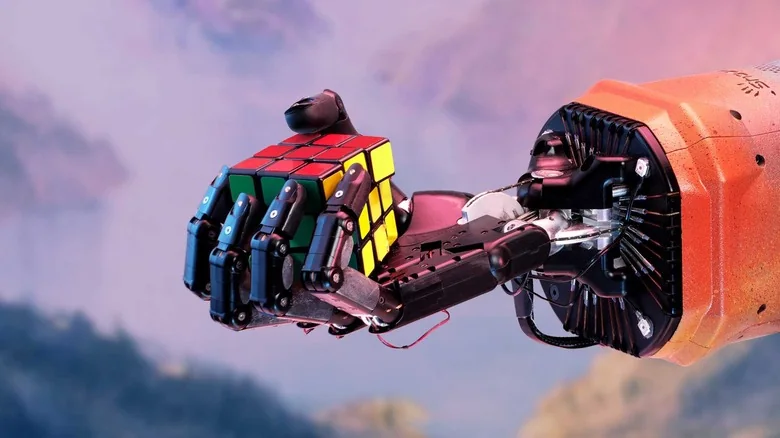
There's a history here as well. OpenAI's Dactyl research project taught a robotic hand how to manipulate real objects entirely in simulation. The company later applied the technique to a Rubik's Cube, highlighting the ongoing headache in robotics: software can learn what should happen, but physics has the final say.
OpenAI still has to build the body
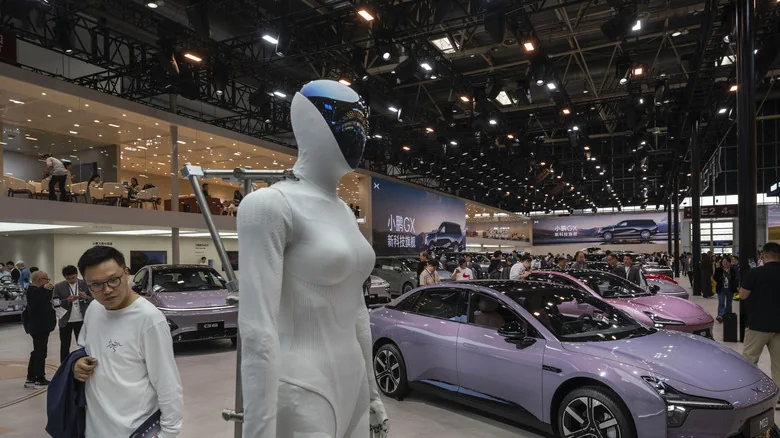
Altman's focus on intelligence shouldn't be mistaken for treating hardware as an afterthought. Job listings indicate work on custom electromechanical actuators including motors, transmissions, sensing and thermal systems, as well as manufacturing supply chains for scale.
OpenAI is not entering uncharted territory. Tesla has developed Optimus, and other companies have demonstrated humanoid robots walking off production lines. Both are reminders that smart software must coax complex motors and joints into action.
OpenAI's short-term objective is to create general-purpose robots that can help skilled workers build infrastructure, with a long-term goal of developing personal helpers for everyday tasks.
Consumers waiting for a physical ChatGPT to do household chores will have to wait. OpenAI hasn't announced consumer pricing, subscription models, exact release dates, or specific privacy frameworks for a device equipped with cameras and microphones.
That said, OpenAI's careers page currently lists numerous robotics openings.