Why the wires in your ethernet cables are twisted
There is a good reason for that arrangement.
Normally, tangled or kinked wires cause performance issues or breakages. However, the internal cabling bringing internet data into homes relies on specific twists to deliver optimal signals.
A primer on electromagnetism
Twisted pair technology dates back to the 1880s and Alexander Graham Bell for early telephone lines. Today, the design serves as an industry standard for modern ethernet cables.
The primary benefit of twisting communication wires relates to electromagnetism. Electric charges traveling through parallel wires generate magnetic fields that impede neighboring electrical signals. Twisting the wires creates opposing magnetic fields that cancel out interference, allowing signals to travel at peak speeds.
What's happening inside your ethernet cables
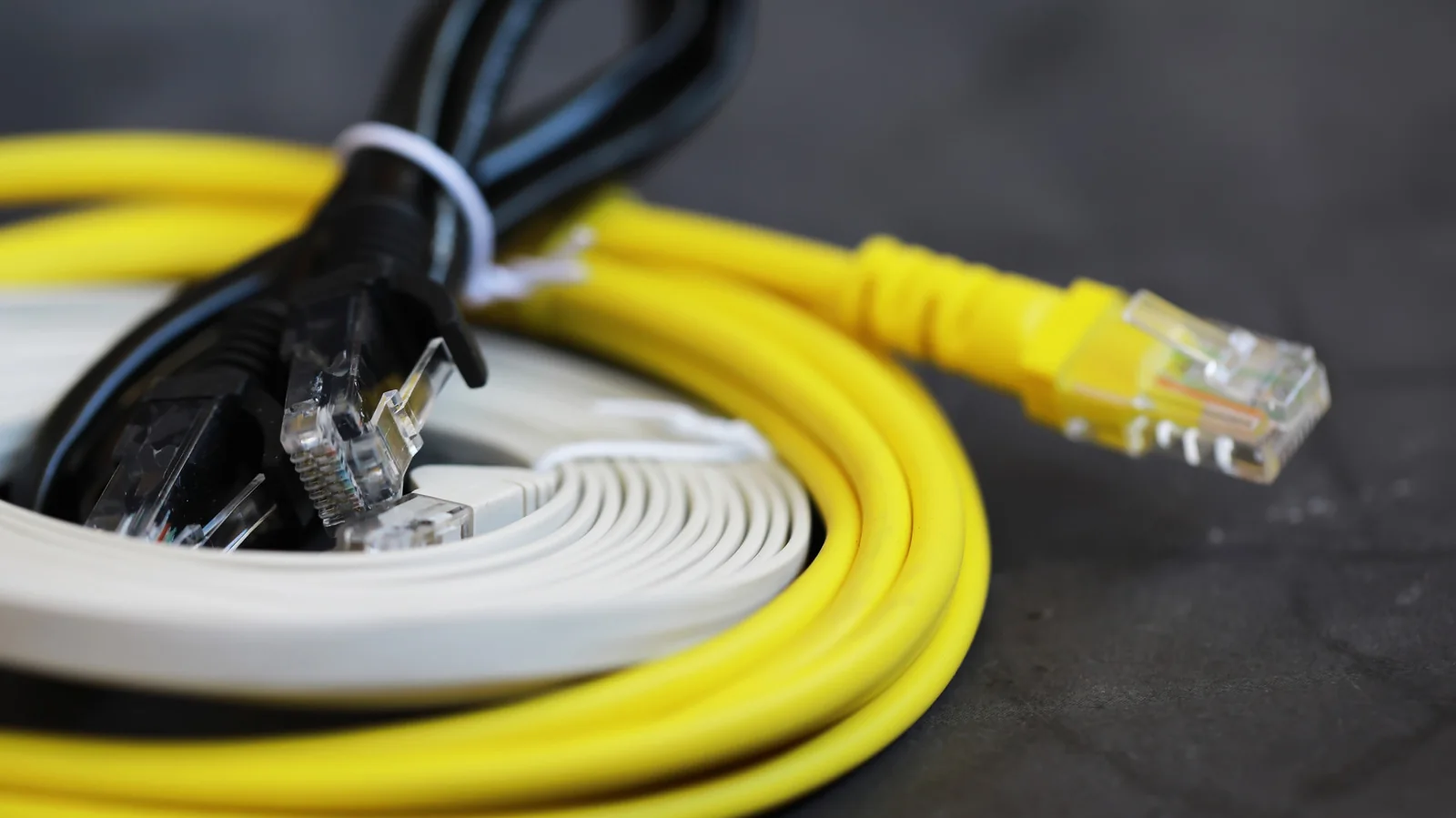
Modern ethernet cables typically feature four twisted pairs of copper wires. High-bandwidth standards like gigabit internet utilize all four pairs simultaneously. While foil coatings protect against external interference, the internal twisted pairs specifically prevent cross-talk, which occurs when wires within the same bundle interrupt each other.
Electromagnetism also dictates that each pair is twisted at a unique rate. Varying the tightness of the twists ensures that adjacent pairs do not generate new interference problems for one another.
Twisted pairs remain standard across contemporary tech cables, meaning standard replacements will always feature this integrated engineering.