Restoring Faith in Digital Images
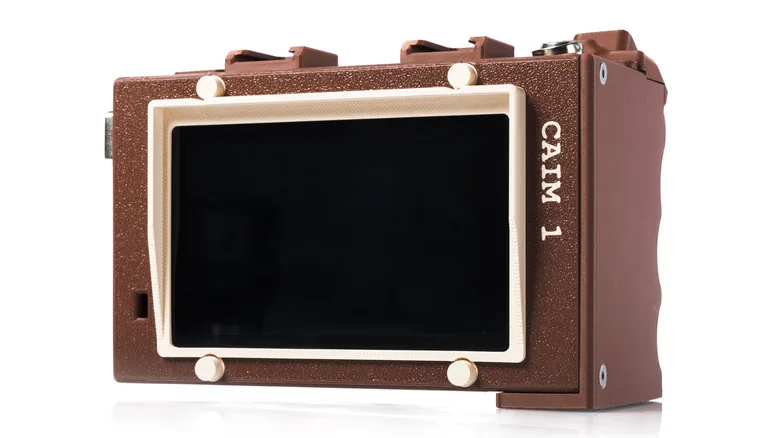
Startup CAIM1, short for Counter Artificial Intelligence Machine 1, is working to reestablish faith in the validity of images through a new prototype camera that embeds cryptographic proof of a photo's authenticity directly into the file. Founder Josh Cowell notes that designing a secure camera to replace traditional methods is an exercise in healthy paranoia.
When users take a photo using the prototype, an internal silicon chip creates a unique fingerprint certifying when, where, and with which camera the shot was taken. This verification ties to an anonymous blockchain signature, establishing an auditable pipeline for verification.
Damaging deepfakes have proliferated across the digital sphere, with reports indicating exponential growth in manipulated media. Meanwhile, major technology firms have faced criticism for neglecting to rein in AI-sparked disinformation and the spread of nonconsensual deepfakes.
Still in the prototype phase, CAIM1 expects its flagship camera to launch in the first quarter of 2027. Cowell explains that the hardware serves as the foundation for a comprehensive, verifiable infrastructure designed to support digital truth.
Hardware-Level Authentication
The authentication process begins with the Tropic01 silicon chip, described as an auditable secure element. As light passes through a digital vault on the way to the sensors, it creates hardware-level verification embedded in the image. Manufacturing irregularities ensure that no two digital fingerprints are alike.
Verification is stored on an immutable decentralized infrastructure to create an unchangeable record. Sensitive data is protected through advanced physical noise systems, internal encryption methods, and digital tripwires to prevent unauthorized access.
Other companies are also investing in photographic verification. Apple introduced hardware attestation via its Reference Image system, while legacy camera makers like Sony, Canon, and Nikon announced a joint initiative to embed digital signatures in 2024.
However, CAIM1 argues its cameras offer greater transparency. While competitors rely on closed corporate ecosystems, the open architecture allows researchers and the public to audit the internal design.
The camera can also generate a physical receipt for every image, complete with a permanent QR code, a blockchain reference number, capture timestamps, location data, and an access code for digital viewing.
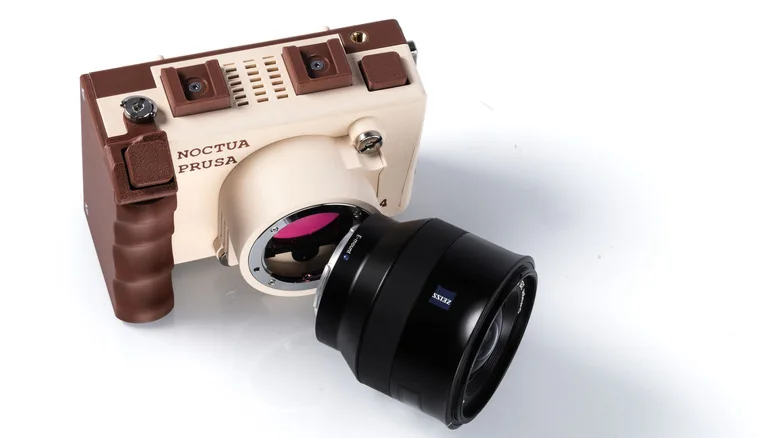
Cooling and Performance
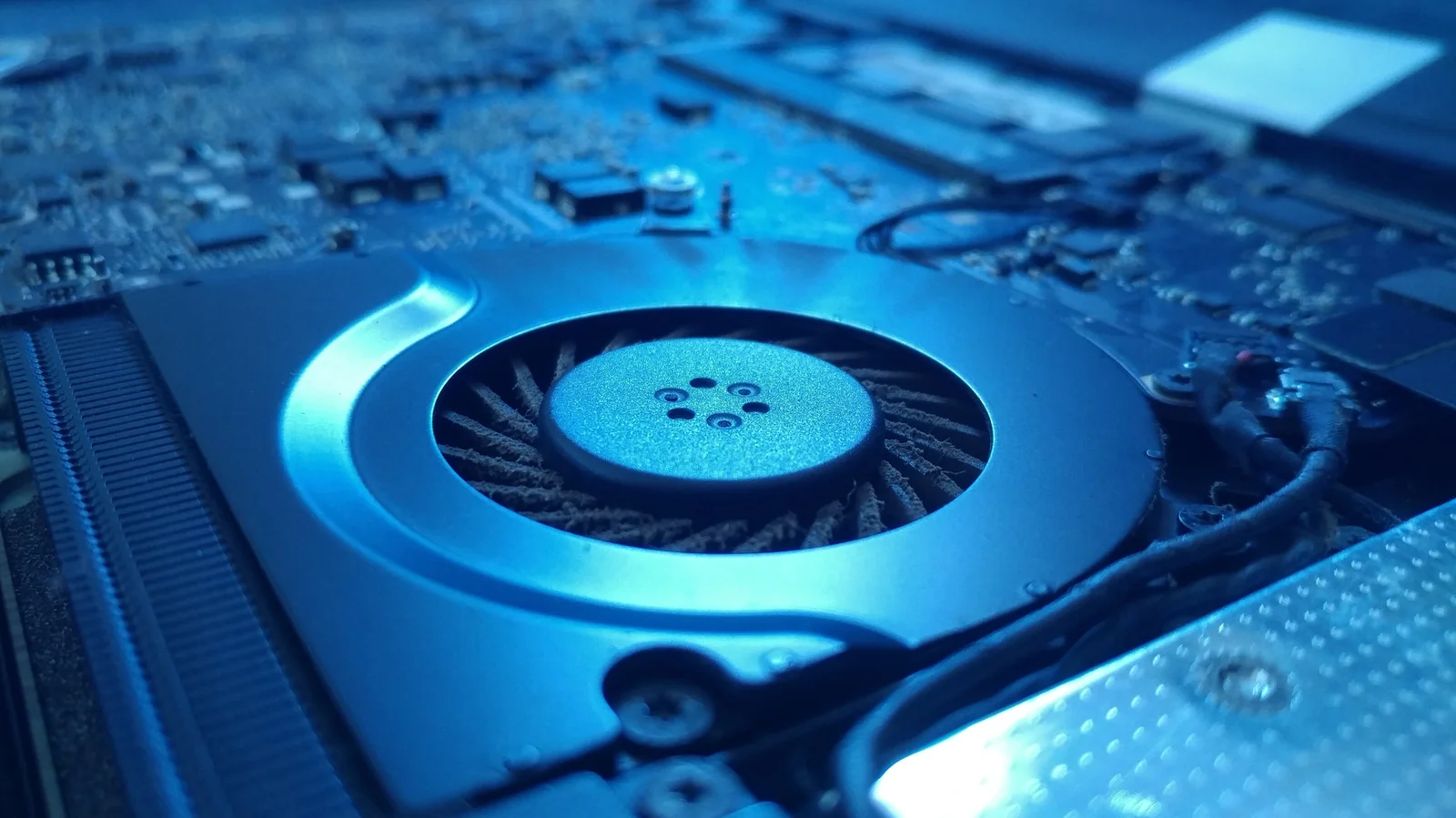
Developers had to solve the problem of excessive heat generated by advanced processors, which can degrade picture quality. Traditional heatsinks fell short, and standard fans introduced noise and micro-vibrations leading to motion blur.
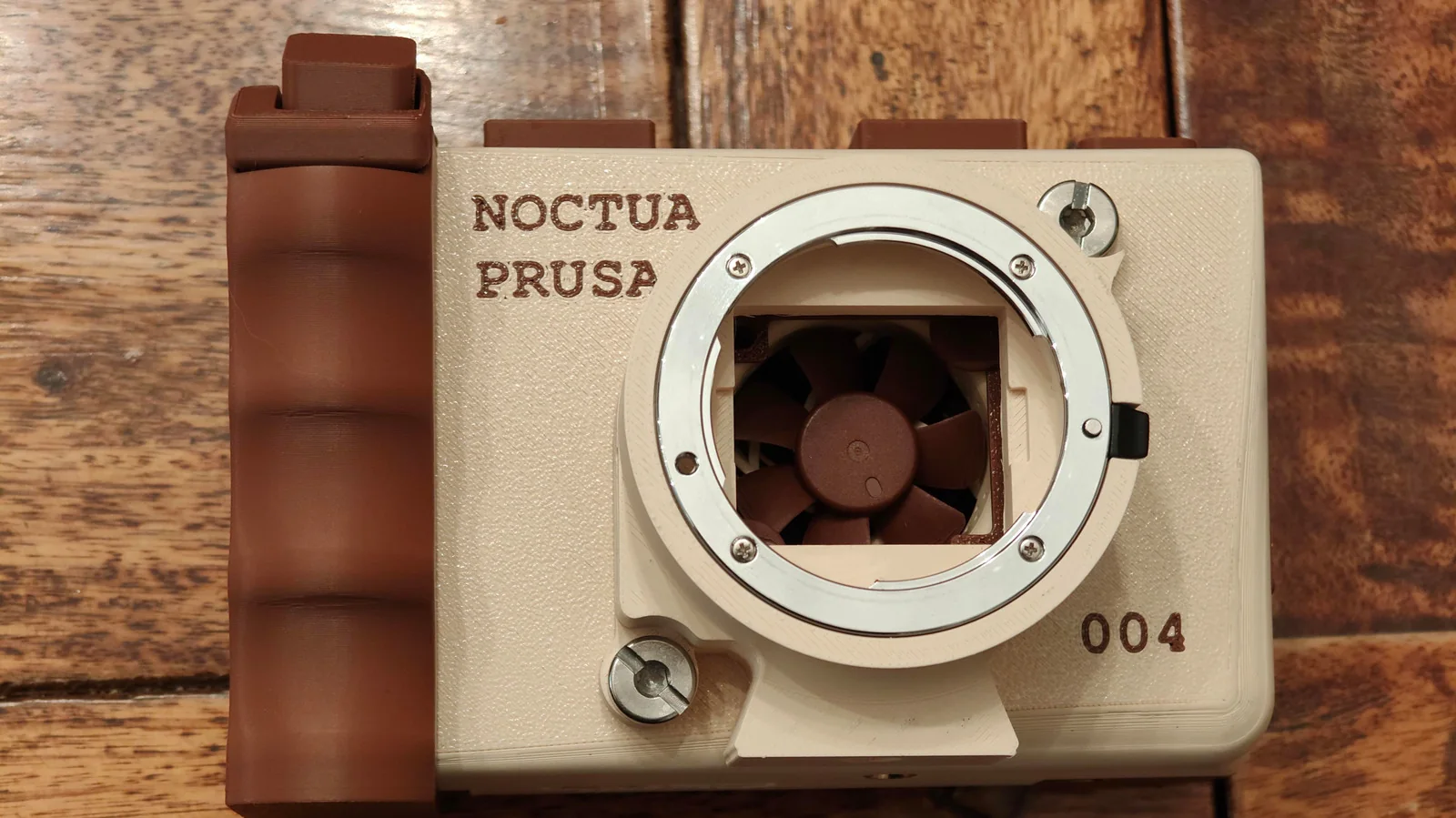
CAIM1 partnered with PC fan manufacturer Noctua to install an active-cooling airflow system. The NF-A4x10 design pulls cool air across the CPU and sensor while anti-vibration mounts prevent blurring.
Capable of high-resolution 4K video, the camera is targeted at high-octane action sports and extreme environments rather than serving as a mere gimmick.
The camera features a bring-your-own-lens design supporting vintage and modern glass. Recent tests showcased lenses from Kowa Optronics at the Nürburgring racetrack, proving the hardware functions as a capable imaging tool alongside its security features.