Introduction
Users frequently experience unexpected drops on their dual-band router's 5 GHz network. Connected wireless devices temporarily fall back to the slower 2.4 GHz frequency, causing temporary performance degradation before reconnecting on an alternate channel. System logs often display references to radar activity following these disconnects.
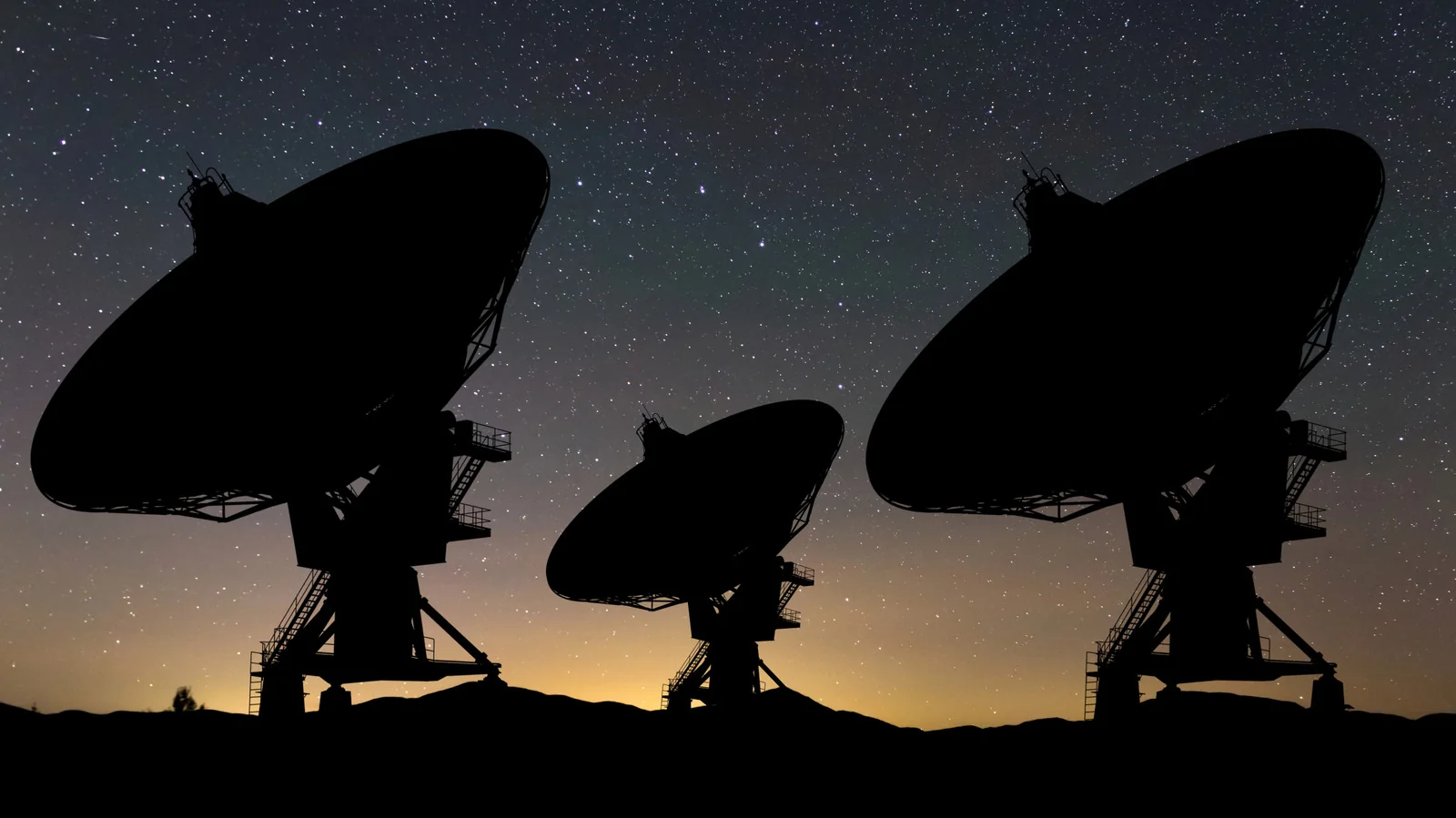
This behavior stems from Dynamic Frequency Selection, a mechanism manufacturers incorporate to yield frequency space to priority users like defense installations, satellite links, and meteorological radar across the upper 5 GHz spectrum. Regulatory bodies mandate that hardware monitor shared frequencies before transmission, cease broadcasting rapidly upon detecting interference, and avoid the affected frequency range for a defined cooling period.
Sharing the 5 GHz Band
Civilians residing near major air transport hubs are more likely to encounter interference from meteorological installations than defense equipment. Aviation authorities operate terminal Doppler radar networks safeguarding high-traffic terminals against dangerous wind shear events. These specialized weather monitors transmit within frequencies intersecting standard wireless allocation channels.
Historical oversight incidents revealed unlicensed equipment causing disruptions to weather observation tools, leading to regulatory enforcement actions and substantial financial penalties for operators who disabled automatic frequency avoidance features. These enforcement actions underline why compliance mechanisms remain mandatory across network hardware.
Router Behavior
Hardware initiates a mandatory monitoring period each time it initializes on a regulated frequency, explaining extended startup durations compared to lower frequency bands. Regional compliance standards dictate the exact duration of these startup checks, with certain international jurisdictions enforcing significantly longer verification windows.
Encountering interference during an active session forces equipment to abandon the channel and initiate lockout protocols. Manufacturers implement seamless client handoffs to alternative frequencies for compatible devices, while wider channel configurations may automatically scale down bandwidth availability.
Utilizing regulated frequencies remains standard practice since the majority of available spectrum incorporates these rules. Proximity to aviation or defense infrastructure introduces periodic switching trade-offs, prompting some network administrators to manually select non-overlapping channels when interference proves excessive.
Turning DFS Off
Network administration interfaces typically allow disabling automatic frequency hopping, though configuration guidelines advise scaling back maximum channel widths simultaneously since ultra-wide connections rely entirely on the shared frequency spectrum.
Disabling these automatic safety checks provides connection stability at the expense of peak throughput potential. Users must weigh these performance compromises before altering advanced wireless parameters located within the device configuration menus.