Americans overwhelmingly voted against data centers in the midterms
Nowhere was the rebuke stronger than in Ohio.
National Ballot Trends
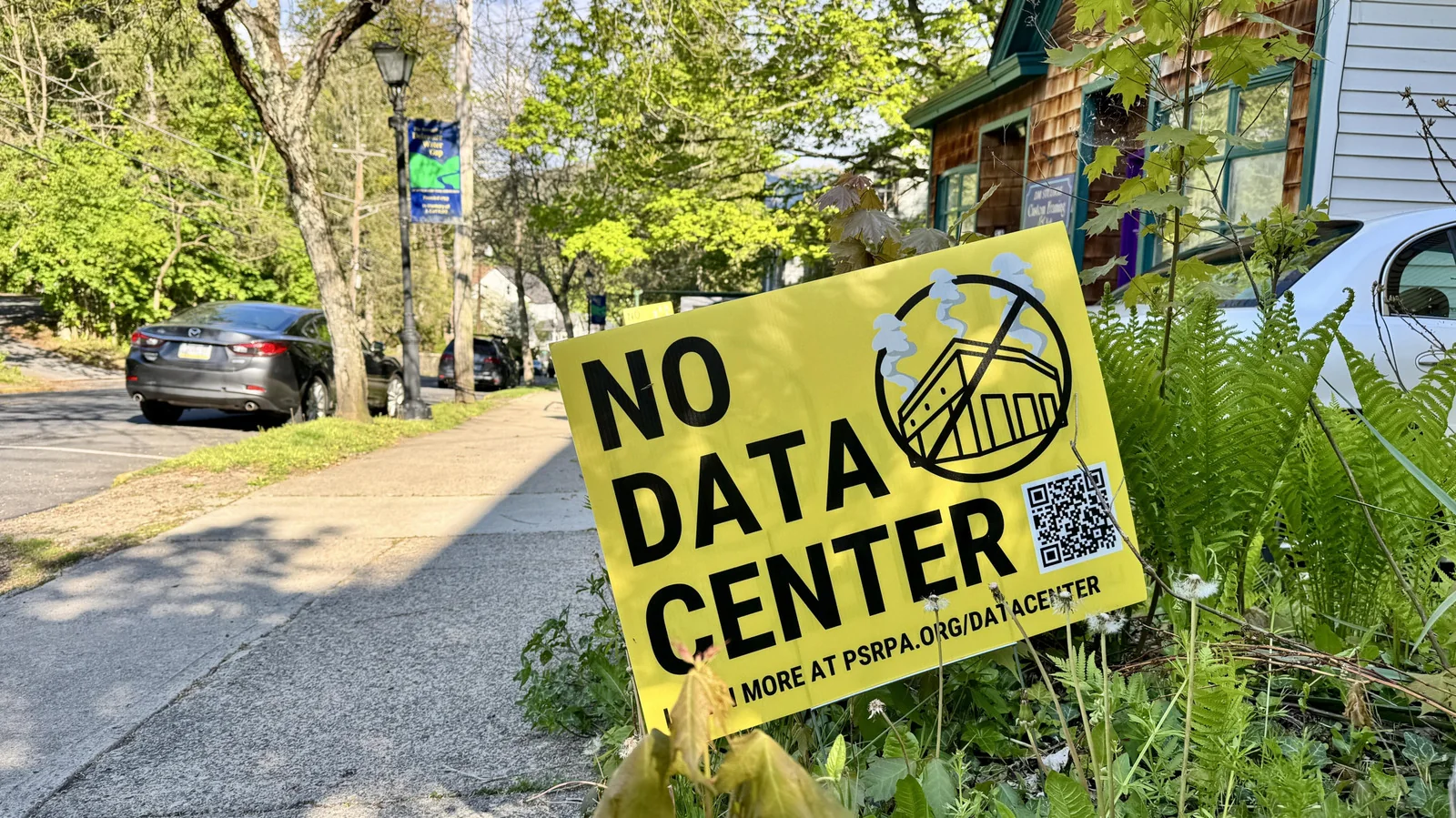
On Tuesday, Americans voted to restrict the country's data center boom. Across 10 states, 45 ballot measures addressed data center operations. As of Wednesday, 33 measures to restrict these facilities had passed, with six more projected to pass, according to Data Centers on the Ballot.
Only one municipality, Harwood, North Dakota, rejected an amendment requiring public hearings for large industrial projects like 100-megawatt data centers. Approved measures included outright bans, temporary moratoriums, energy usage limits, and requirements for public approval before project commencement.
Impact in Ohio
Ohio, which currently hosts 257 data centers, saw the strongest opposition. Data center restrictions were on 20 ballots across the state, and every measure was either passed or projected to win. In Urbana and Hubbard, voters rejected data centers by 76 and 77 percent, respectively.
Political Implications
The data center issue influenced high-profile races, including the Ohio US Senate contest where Sherrod Brown successfully campaigned on opposing further expansion. Nationally, an NBC exit poll indicated that 56 percent of voters considered AI and data centers a major factor in their congressional voting decisions.