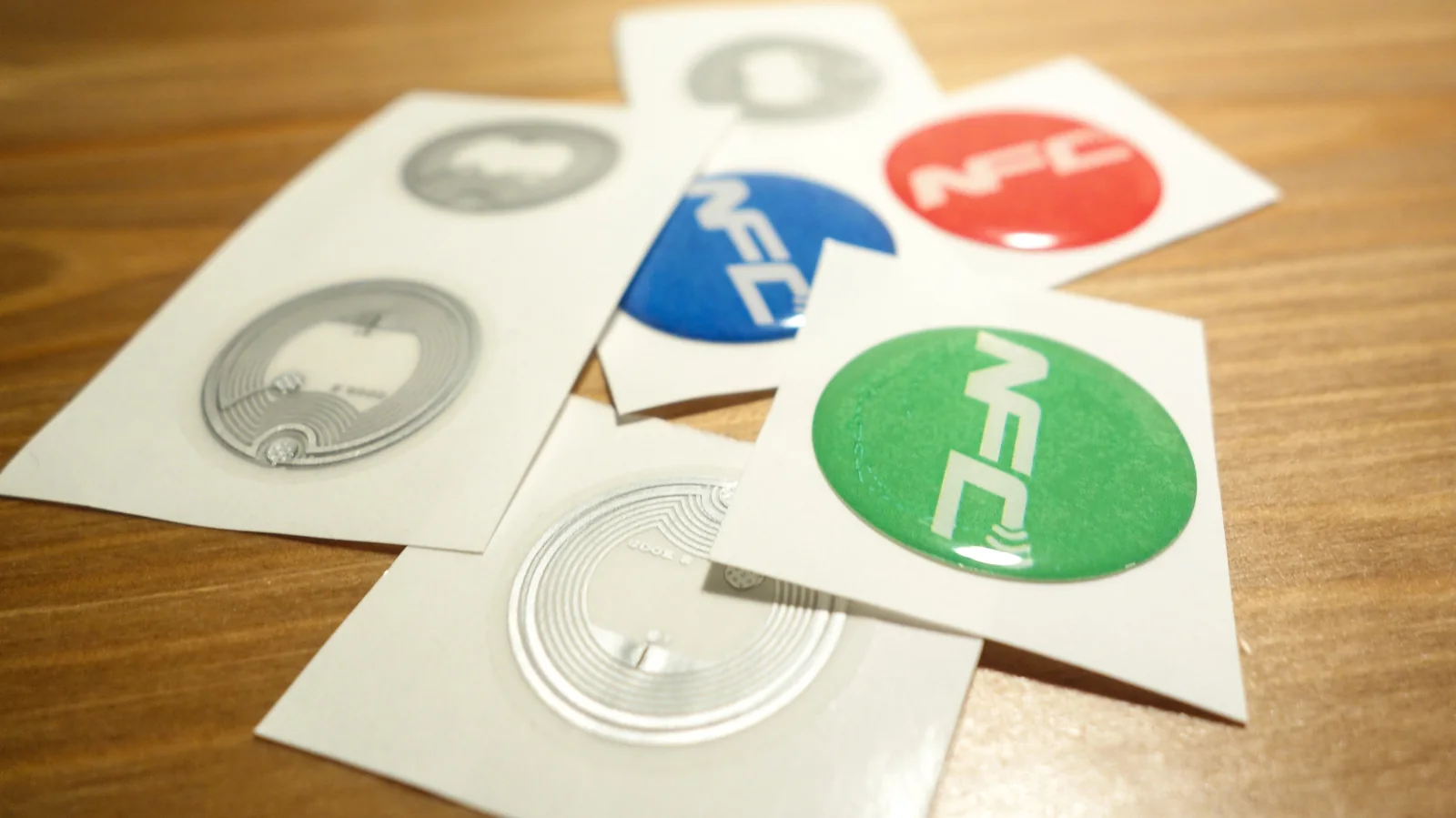
What is an NFC tag and how does one work?
NFC tags are often confused with Bluetooth trackers like AirTags, but they function very differently.
Modern hotel room keys and smartphone-based door access rely on NFC, a technology related to RFID. Unlike RFID, which can operate over long distances, NFC is designed for short-range communication, making it more secure for personal access and data exchange.
NFC tags are inexpensive, thin stickers that allow for two-way communication. Their low cost and ease of use have made them ubiquitous in modern consumer electronics.
Understanding how these tags function and their practical applications is essential for any modern smart home user.
How does an NFC tag work without a battery or power source?
NFC, or near-field communication, is a wireless radio standard. While RFID signals can travel hundreds of feet, NFC is limited to distances under an inch. This proximity requirement is what makes it ideal for secure tasks like credit card payments.
An NFC tag consists of a small memory chip and an antenna. It contains no internal battery; instead, it draws power from the reader through magnetic induction. When placed near a reader, the tag is energized, allowing the reader to access the stored data instantly.
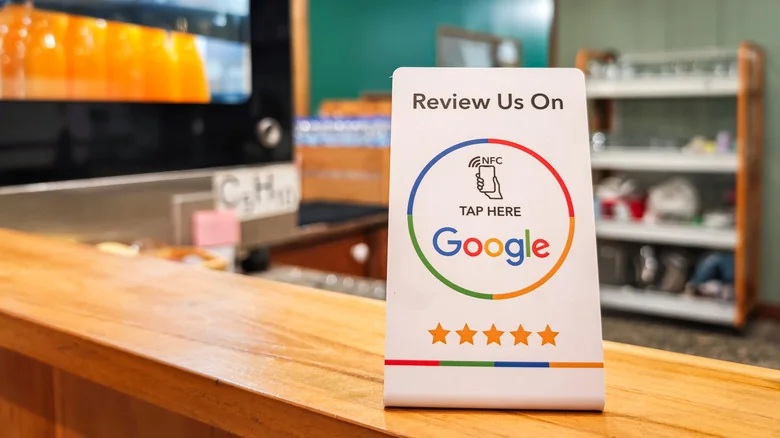
What NFC tags are used for, and where you'll find them
Because they are simple and cheap, NFC tags are frequently used for automation. Smart home users can place tags to trigger complex routines, such as turning off lights or closing blinds. Businesses also use them to provide quick access to Wi-Fi networks or digital menus.
These tags are found on everything from business cards to ski lift passes. Scanning them with an NFC-enabled phone typically triggers a command, such as opening a specific webpage or activating a phone feature.
In payment scenarios, the phone itself acts as the NFC tag. Recent software updates have expanded the ability for third-party apps to utilize the iPhone's NFC chip, increasing its utility beyond basic wallet functions.
Is an NFC tag a tracker, and should NFC be on?
NFC tags cannot track your location. Unlike Bluetooth trackers, they have no battery and cannot broadcast a signal independently. They only activate when in extreme proximity to a reader, making them useless for surveillance or tracking purposes.
Leaving NFC enabled is generally safe, as it consumes minimal power and requires close proximity to function. Modern smartphones require the device to be unlocked to initiate most NFC actions, preventing unauthorized data access.
Android users can toggle NFC in their device settings. On iPhones (XS and newer), NFC is always active to support system-level features and cannot be manually disabled.