Understanding iGPUs
Contemporary integrated processors deliver surprising visual processing capability, though hardware boundaries remain.
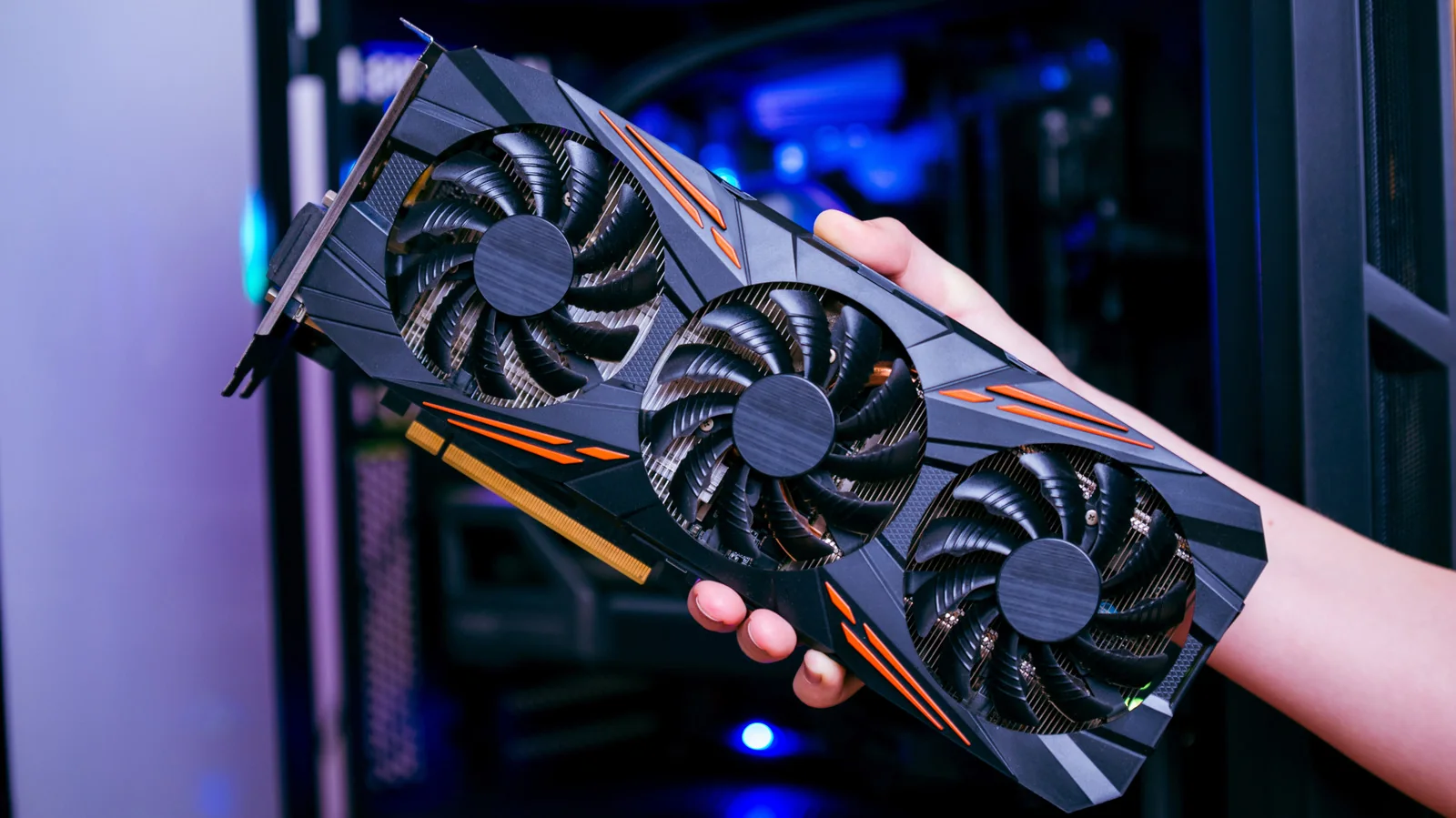
Discrete graphics add substantial cost to desktop systems, particularly gaming configurations. Beyond driving displays, separate add-in boards accelerate demanding workflows like high-definition video production, local language model execution, and complex 3D gaming. While these hardware expansions deliver massive performance multipliers, distinct physical and financial trade-offs accompany them.
Basic web browsing, streaming media, and casual software titles rarely necessitate purchasing a separate hardware accelerator, eliminating the need to factor in high-wattage power supply units. Built-in video processors handle routine desktop duties efficiently, supporting standard media codecs and light productivity applications. Unlike standalone boards carrying dedicated video memory, built-in silicon occupies the main processor package and relies entirely on shared system memory pools.
System builders weighing hardware options should carefully audit their daily operational requirements. Users running standard productivity tools will find that advanced built-in solutions, such as the AMD Radeon 780M, adequately cover typical computational demands without extra hardware purchases.
Comparing iGPU Performance
While visual processing on central processors has advanced significantly beyond historical performance levels, hardware tiers vary wildly. Certain silicon variants merely pass display signals, whereas higher-end configurations drive dense desktop monitors at rapid refresh rates and process mild graphical tasks.
Comparing chips like the AMD Ryzen 7 8700G and the Ryzen 7 9800X3D highlights this disparity. The former integrates robust Radeon 780M graphics featuring twelve execution blocks, whereas the latter includes a minimal two-unit graphics layout. Consequently, despite superior raw instruction processing from the Ryzen 7 9800X3D, graphical execution falls significantly behind the 8700G configuration.
Both major silicon manufacturers offer diverse desktop budgets, though current market offerings place AMD ahead in graphical output capabilities compared to traditional Intel alternatives.
When to Upgrade
Transitioning toward intensive media rendering or advanced gaming makes adopting a separate graphics processor essential. Dedicated video memory supplies an isolated, high-speed pool that circumvents the memory bandwidth restrictions frequently encountered by shared system architectures.
Built-in graphics output fluctuates based on overall system memory specifications rather than just raw core frequencies. Independent hardware evaluations demonstrate noticeable application slowdowns when dropping system memory speeds from DDR5-6400 down to DDR5-5200 on specific integrated processor platforms.
Modular desktop architecture ensures users are never locked permanently into an initial configuration. Upgrading machines to handle heavy language models, detailed rendering, or complex video editing remains straightforward through later hardware additions. Builders must remember to verify power supply capacity, motherboard slot compatibility, and physical chassis dimensions prior to installing a discrete expansion board.