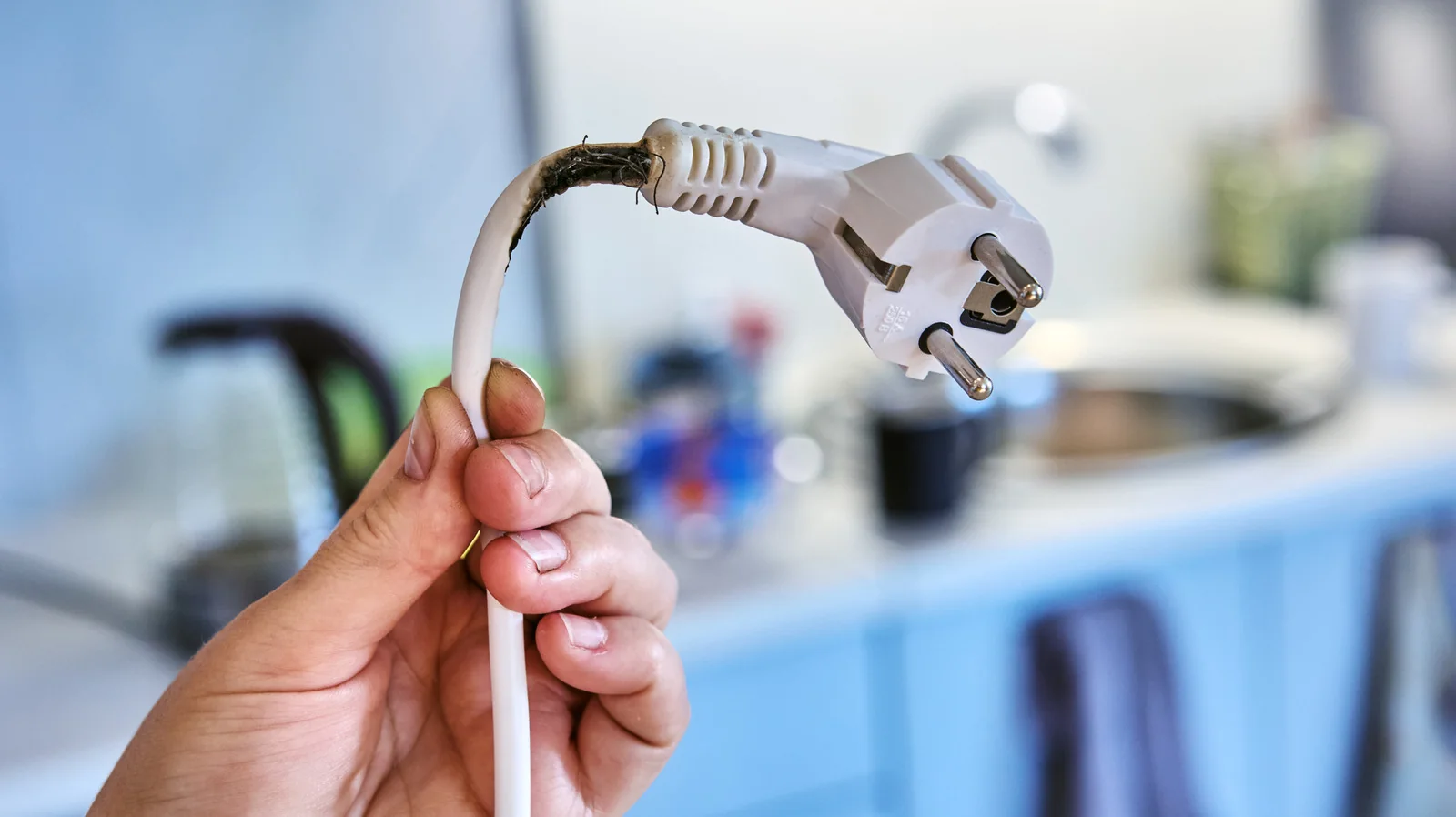
Why you shouldn't leave an extension cord plugged in all the time
Your wall outlet may handle the load, but that doesn't mean the extension cord will.
Extension cords are amazing at making temporary solutions permanent. You connect a laptop charger because the outlet is in an inconvenient location and you hide the cord behind your desk and six months later it's as if it's part of the furniture.
That's where the trouble begins. Extension cords are not permanent wiring additions and can become damaged over time if used continuously, according to the Electrical Safety Foundation International. When you're done, unplugging one is a good opportunity to observe cracked insulation, loose connections or a plug that is getting hotter than you would prefer.
To be clear, an empty extension cord doesn't inevitably start cooking itself simply because its plug is still in the wall. The question is, what happens when that cord becomes a part of your daily routine? It can be trapped behind furniture, damaged or simply asked to power something much more demanding than the phone charger it was originally being used for.
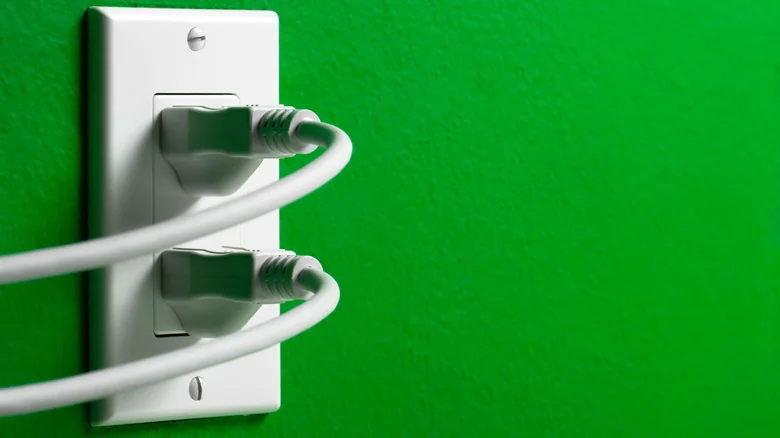
The electrical code doesn't treat extension cords as permanent wiring
The National Electrical Code has a clear definition of the difference. According to Section 400.12, flexible cords and cord sets should not replace a structure's fixed wiring. It also prohibits running them through holes in walls, floors and ceilings, through doorways or windows, or anywhere they are likely to be physically damaged.
There are also a few time limits referred to in extension cord guidelines. The temporary-installation rules have a 90-day limit for holiday decorative lighting and similar purposes. A separate rule of thumb from workplace safety organization MEMIC is that if equipment has been powered by an extension cord for over 30 days, it's time to consider a permanent solution.
For a home office, that might mean adding an outlet where it's needed, rather than an extension cord that will live behind your desk for the next five years. Safety experts also recommend against covering cords because doing so can prevent heat from escaping, which can lead to overheating.
The cord has its own limit, too
Your circuit breaker is not a universal guardian angel for all things plugged into the wall. Extension cords are available in various wire gauges, lengths and current ratings and the cord must be able to support whatever you are plugging into it.
This is important because a laptop charger and a space heater place very different loads on a cord. Extension cords can overheat and cause fires, so official guidance recommends that major appliances be plugged directly into wall outlets, and portable heaters should never use an extension cord or power strip.
Cord daisy-chaining is also a major hazard. Experts recommend against daisy-chaining extension cords, and placing one under a rug or running it through a doorway creates another opportunity for heat buildup or damage.
These failures are not purely theoretical. Local fire and rescue departments frequently attribute residential fires to the electrical failure of misuse-related extension cords.
The practical rule is straightforward: Check the cord's rating, replace damaged cords and unplug temporary setups when you're finished with them.