Hitman Elusive Target
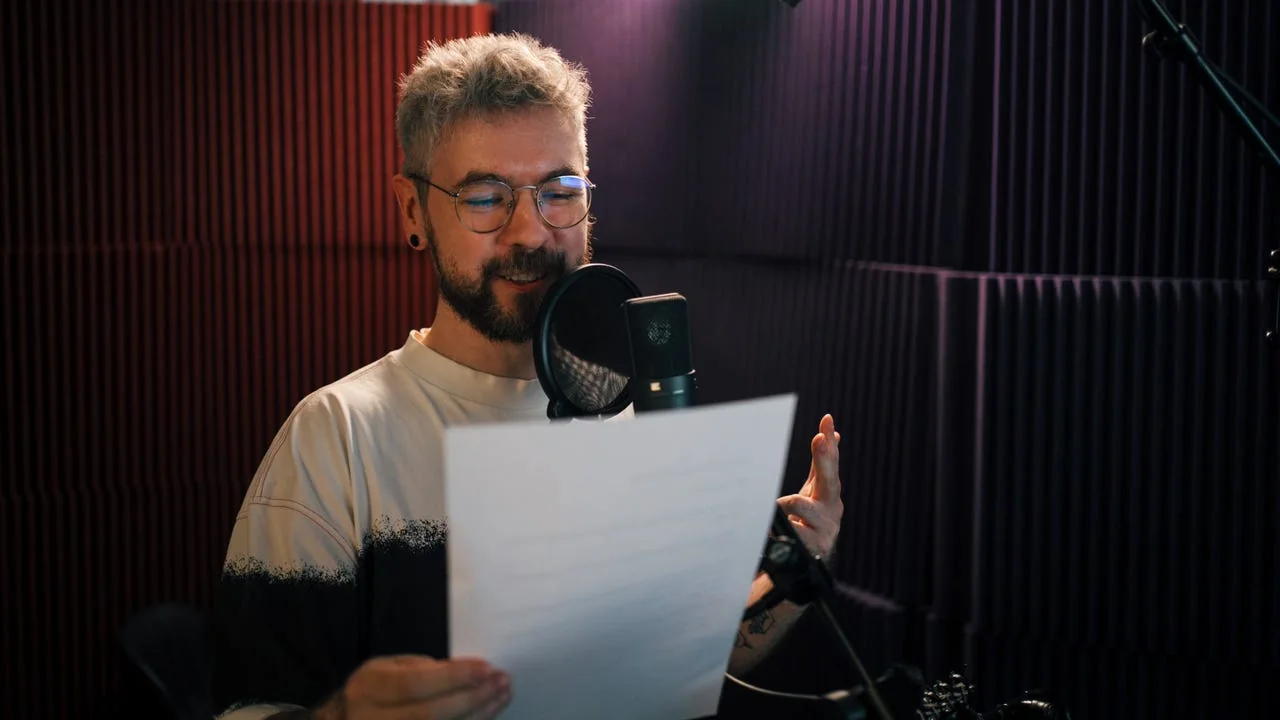
Seán McLoughlin, best known as Jacksepticeye online, is entering the world of Hitman as a free elusive target where players can take him down until November 25.
Rather than playing himself, McLoughlin voices a flanderized caricature of online content creators, drawing inspiration from controversial internet personalities and the broader manosphere influencer space.
In a wide-ranging interview, McLoughlin discussed his involvement in Hitman and 007 First Light, how the Bloodborne animated movie is developing, and his thoughts on game development.
This interview has been lightly edited for length and clarity.
IGN: How did all of the Hitman stuff come about?
McLoughlin noted that discussions with IO Interactive began after previous schedule conflicts and his history with the franchise placed him on the studio's radar.
IGN: Did you have any say in how you were incorporated?
The developer was highly collaborative, allowing McLoughlin to shape the satirical caricature rather than simply playing a digital version of himself.
Visiting the studio revealed a team deeply committed to sharp writing, blending internet slang and humorous dialogue into the systemic sandbox of the level.
IGN: So you are basically an amalgamation of a content creator worthy of Agent 47's crosshairs?
The character leans heavily into insufferable influencer tropes, complete with unexpected slang delivered deadpan through Agent 47's world.
Game Development Realities
IGN: Did you learn anything about how the Hitman levels are developed through this process? As a fan, was there anything that surprised you about their creative process in putting these things together?
Observing IO Interactive's development process highlighted the impressive speed and iterative nature of building modular gameplay systems.
The sheer number of branching paths and reactive elements highlights how difficult it is to craft a seamless sandbox experience.
McLoughlin praised the team's technical proficiency, noting that Hitman stands out in the industry because executing such complex systemic design is exceptionally difficult.
IGN: When officially did you start doing this? How quickly did this all turn around?
Despite utilizing existing level architecture to streamline production, the turnaround time from recording lines to a polished release felt remarkably fast.
James Bond and Past Projects
IGN: I'd love to also ask you about that 007 role as well, just because that was cool to see you in there. How did that come about? Was it kind of the same thing of just like, "We've known you for a while and we want to figure out a way to make this work?"
Discussing his appearance in 007 First Light alongside other prominent figures, McLoughlin joked about his minor role as a cloakroom attendant.
While he was scanned for the James Bond title, the Hitman team opted to hand-craft his digital likeness entirely from scratch.
Seeing his likeness in a high-profile game remains surreal, though he hopes his appearances do not disrupt the flow for players unfamiliar with his online work.
IGN: Dispatch just hit five million copies sold. I know that the team behind that game has been expressing some interest in exploring other stories in that universe. I don't know if anyone's talked to you about that, but what are your thoughts on more Dispatch?
Expressing enthusiasm for narrative titles like Dispatch, McLoughlin stated he would readily return to voice characters if the developers expand the universe.
IGN: I saw that the Dispatch team is doing some writing on the Until Dawn sequel as well, which is awesome.
Strong writing and organic character interactions are key to why certain narrative games succeed so effectively during voice recording sessions.
Producing the Bloodborne Movie
IGN: I also know you tried to take a crack at making your own game and that didn't work out, as far as I understand. Obviously that's just a learned experience though, regardless. I think it's always interesting to go through those processes regardless of the outcome because you learn a lot. Is there still any interest on your end of making a game?
Reflecting on his past attempts at independent game development, McLoughlin emphasized that building video games from scratch is an immense challenge.
Rather than spearheading his own project, he now finds fulfillment in helping fund and provide creative feedback for smaller teams pursuing their own visions.
Acting as an outside producer allows him to offer objective feedback during the iterative development process without shouldering the primary creative burden.
IGN: What lessons did you learn from that experience besides video games are hard when you were making that game?
The experience taught him valuable lessons in team management, clear goal-setting, and understanding personal energy limits.
And how to just have a clearer focus on an end goal, whether that be a deadline, whether it be managing expectations, your own or the audiences, because I've never really done that. And I'm also just one of those people who's like, I've never had a proper job in my life either. I worked construction when I was 17, 18, because my girlfriend's dad at the time got me a job and it paid for college. And then after that I did college and YouTube.
Transitioning from content creation to production helped him narrow his focus onto projects he is genuinely passionate about pursuing.
IGN: As IGN, we have to ask about what's going on with the Bloodborne movie. Have things advanced significantly since the announcement? It’s been the better part of a year since that news broke.
Addressing the Bloodborne animated movie, McLoughlin confirmed that development is progressing steadily with key creative personnel now attached.
Adapting such a monumental intellectual property carries pressure, but his role involves ensuring the atmospheric details align with fan expectations.
IGN: When you say you have people in place, is that a writer and a director?
Animation requires a lengthy production pipeline, making early foundational planning essential for moving major pieces into place.
IGN: It's the right idea. You could make a live action Bloodborne, but I do think even though it's going to take longer in theory, it's for the better, in my opinion.
While live-action adaptations face prohibitive budgets and logistical hurdles for cosmic horror properties, animation offers the flexibility needed to capture otherworldly aesthetics.
Bloodborne specifically benefits from an animated format, avoiding the limitations of green-screen soundstages.
IGN: Are you guys going to look at the Elden Ring movie as maybe a source of inspiration on how to adapt a game in this style? Or is it more just like, "We know what we're doing and Elden Ring is live action, so it's different for them?"
While other adaptations like an Elden Ring project share a similar publisher heritage, distinct narrative settings mean each adaptation must chart its own path.
Effective adaptations must respect the differences between interactive games and passive film media, prioritizing a meaningful story worth telling.
Thoughts on Adaptations
IGN: Bringing it back full circle to Hitman, would you ever want to adapt that IP?
McLoughlin noted he is unsuited to adapt espionage thrillers like Hitman, believing successful adaptations require finding fresh narrative angles rather than simply rehashing existing game plots.
Projects like Fallout and Resident Evil succeed by shifting the lens within established fictional worlds rather than strictly copying source material.
Ultimately, creative integrity should drive adaptation efforts rather than purely financial incentives.
IGN: This year, we’ve seen this rise in the YouTuber turned filmmaker pipeline with Obsession and Backrooms. Obviously, a lot of people have a lot of different perspectives on that, but you're kind of in that field. I'm curious about your thoughts on that whole and how things are shifting.
Commenting on the growing trend of internet creators transitioning into professional filmmaking, McLoughlin argued that labeling them as mere YouTubers overlooks their extensive history of producing short films.
Creators who find success in cinema are simply applying years of prior short-film experience to productions backed by larger resources and expanded technical teams.
Filmmaking remains a collaborative medium relying on dedicated camera operators, gaffers, and sound designers working alongside a singular creative vision.
Strong directorial instincts and decisive decision-making are critical elements that allow independent creators to successfully scale up their cinematic ambitions.
Independent video platforms simply serve as the modern equivalent of traditional short-film pathways used by legendary directors early in their careers.