Development Team
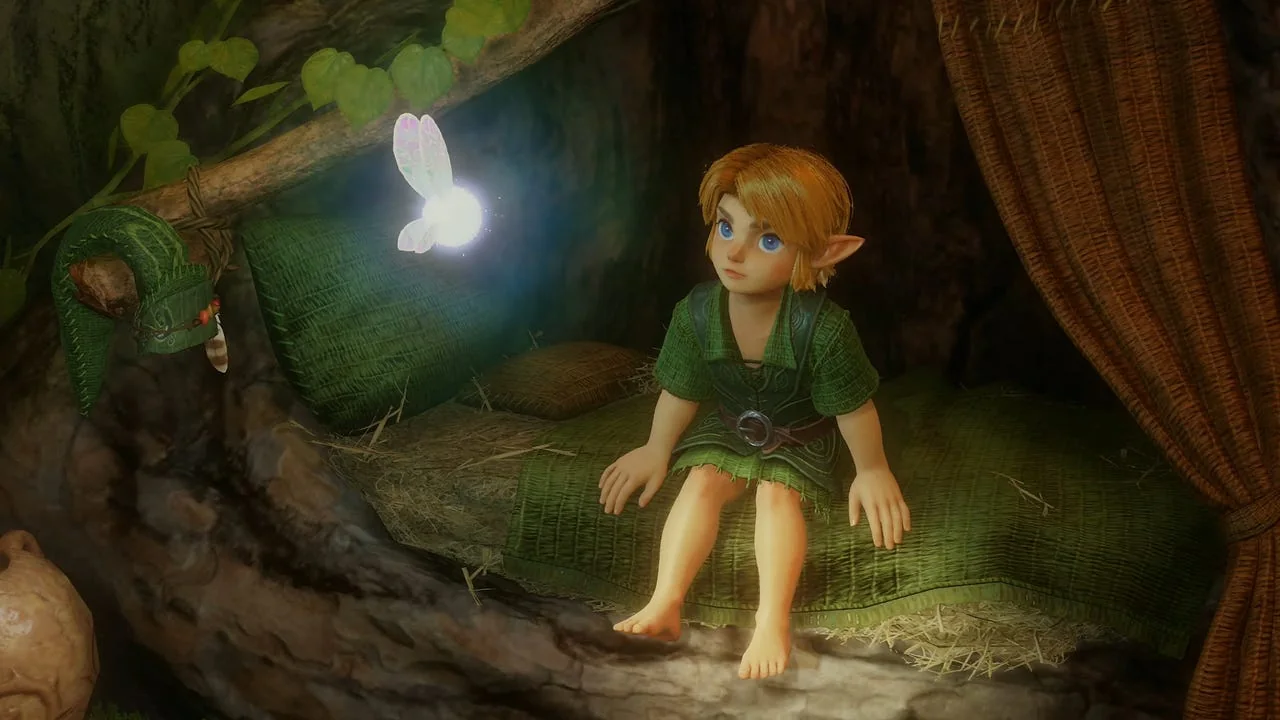
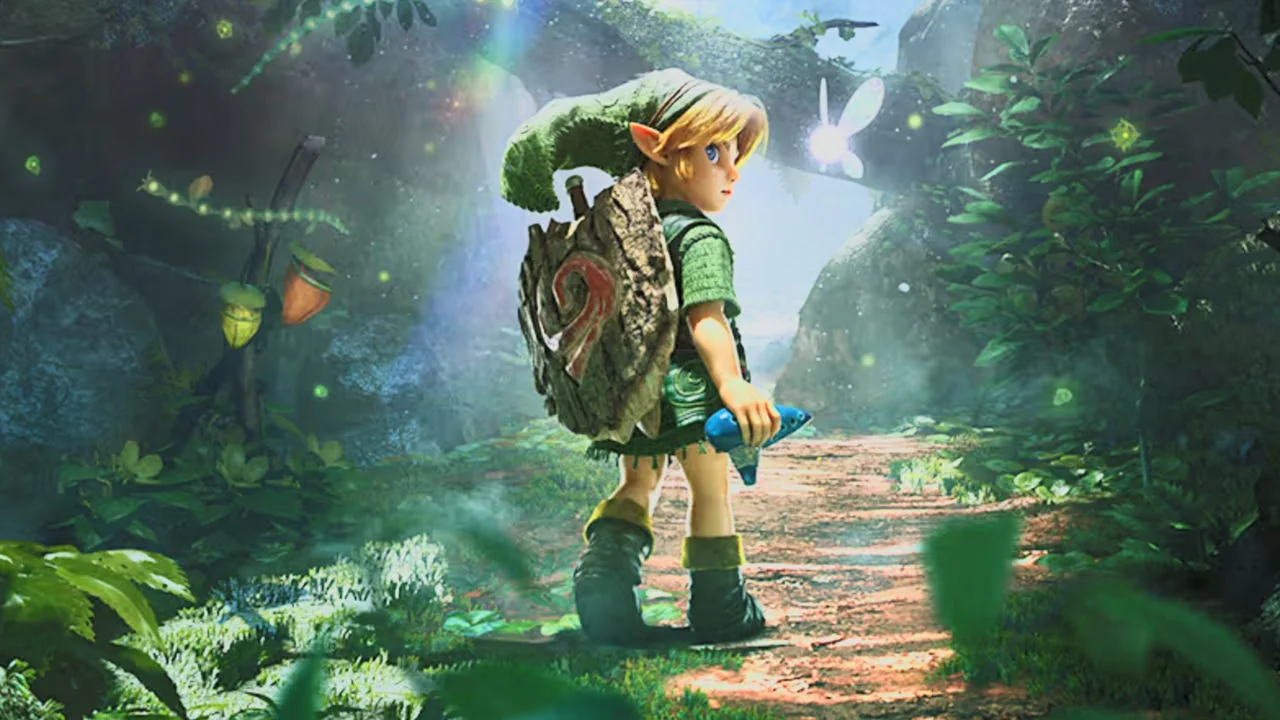
Nintendo has revealed the development team responsible for creating The Legend of Zelda: Ocarina of Time remake.
The company typically keeps its cards close to its chest regarding behind-the-scenes details for its biggest releases. The Legend of Zelda series is no exception, but Nintendo offered a peek behind the curtain as part of an Ocarina of Time remake installment in its Ask the Developer Q&A series.
Fans have speculated who might be behind the Nintendo Switch 2 reimagining since it was announced. While some believed Xenoblade series developer Monolith Soft might be leading the charge, the interview confirmed that Nintendo's Entertainment Planning & Development Production Group No. 3 is actually responsible for the project.
Key Staff
Featured in the first interview chapter are franchise producer Eiji Aonuma and series directing veteran Hidemaro Fujibayashi, with EDP Production Group No. 3's HokWai Ng, Aya Shida, Hiroki Taguchi, and Masato Ohashi also listed as interviewees. The core team behind the highly anticipated game is the same group behind most Zelda projects from the last 30 years.
Longtime fans of the original Nintendo 64 game and its 2011 Nintendo 3DS remake who feared the Switch 2 version could tarnish its reputation can rest easy knowing it was in experienced hands. It remains possible that another team like Monolith Soft contributed as a support developer, though the full list of team members will be confirmed when credits are revealed.
Release and Design Philosophy
The Legend of Zelda: Ocarina of Time remake launches for Switch 2 on November 5. Aonuma explained that he tried to let the developers make whatever changes they genuinely felt were necessary.
Aonuma wanted the team to make the game their own and follow through on their own ideas about what the title should be. He noted that he stepped back to observe how the younger members of the development team would reimagine the classic title using their own insights.
Fujibayashi added that it was important for the team to have a clear outline early on regarding what would and would not be changed from the original Nintendo 64 game.
For creators familiar with both the original release and recent 3D Zelda titles, designing a remake presents numerous ideas to address. Fujibayashi supported the team from a broader perspective by helping them clarify what elements required careful attention during design.
Despite having a solid plan from the start, Aonuma admitted he is still nervous to see how fans respond to the reimagined classic.