Majestic Animals and Exhausting Menus
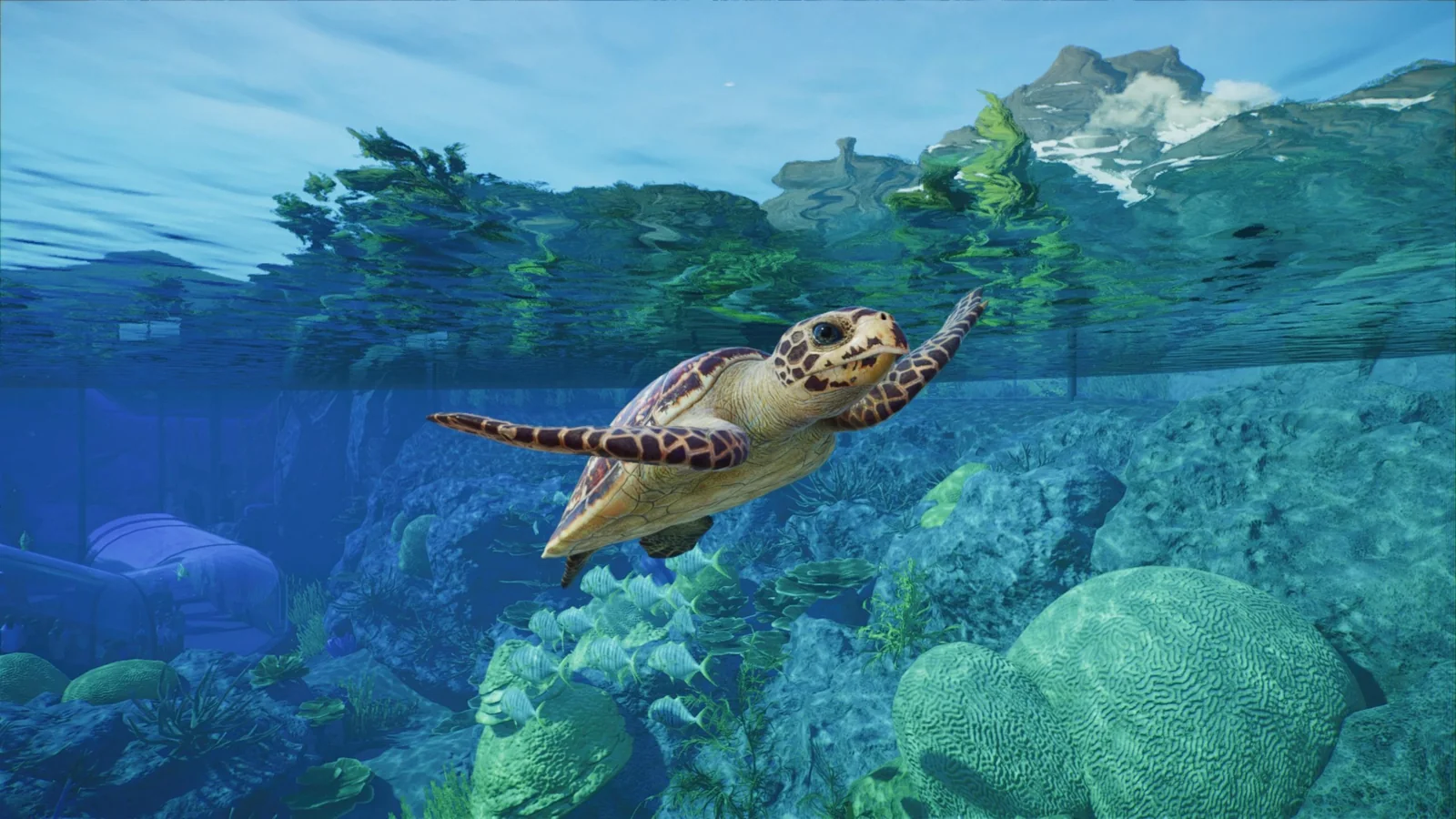
Planet Zoo 2 features animals that stand out as truly majestic creations. Even alongside modern advancements in visual realism, watching the meticulously modeled creatures climb, swim, fly, or interact with enrichment items remains a visual and therapeutic treat. However, the experience of running the simulation can occasionally test a player's patience.
Frontier Developments management simulations have historically leaned toward complexity, but Planet Zoo 2 introduces deep layers of interface navigation. Accomplishing basic tasks requires sorting through a tangled web of menus, making the experience more exhausting than purely enjoyable at times.
Reserving judgement
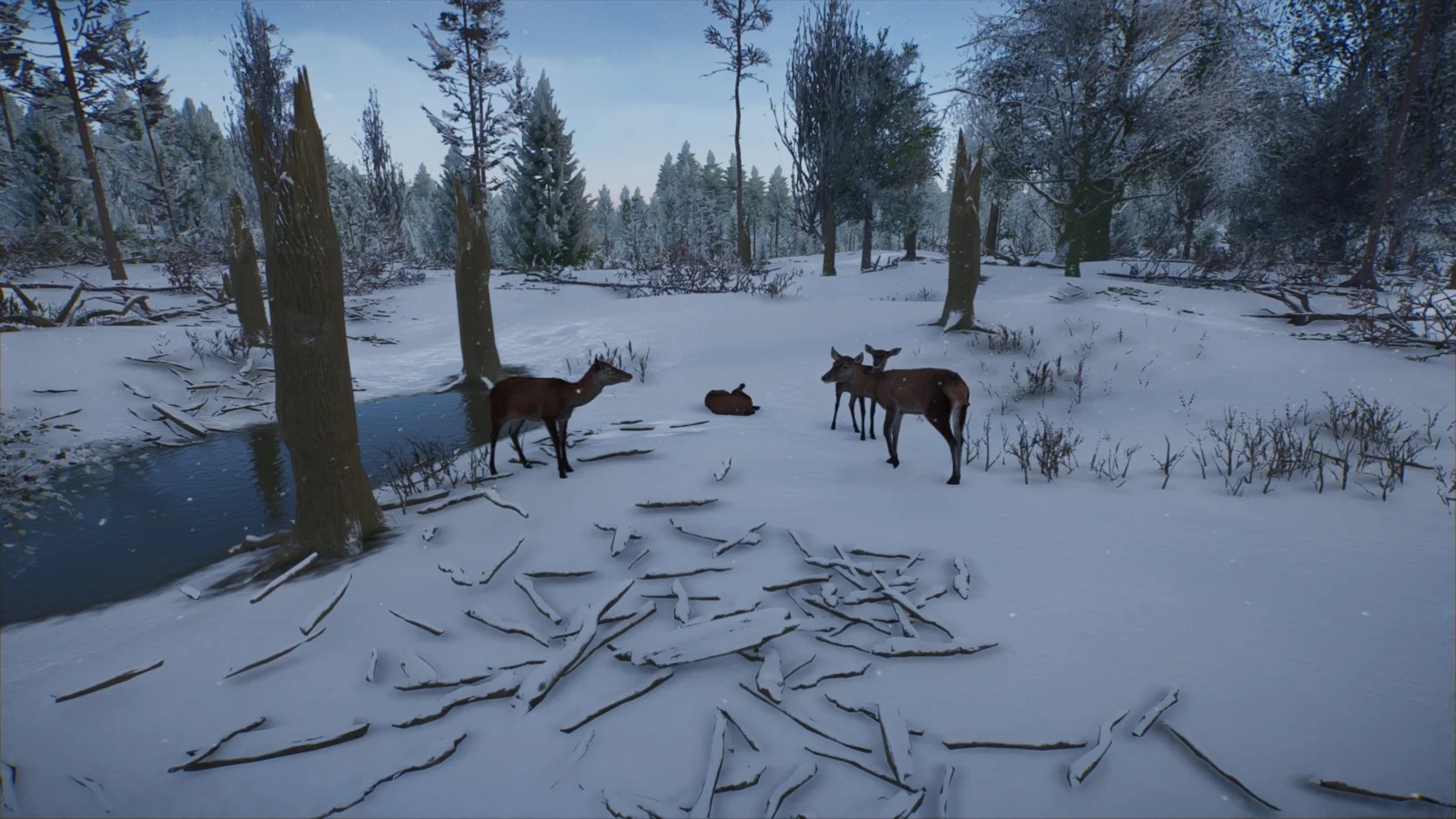
Planet Zoo 2 introduces three major new features to the formula: fish, birds, and nature reserves. While aquatic and avian animals are welcome additions, nature reserves have the most significant impact on gameplay. Rather than serving purely as guest attractions, zoos now contribute to global conservation efforts, allowing players to release rehabilitated animals into vast wilderness areas.
These reserves form the core of the career mode, requiring players to manage a network of zoos while restoring distinct environments from the Swedish tundra to the jungles of Sumatra. This involves sculpting ecosystems and populating them with appropriate vegetation to support the released wildlife.
While the focus on conservation is admirable, the reserves themselves can feel somewhat detached from active gameplay, functioning largely as gamified terrain editors used primarily for exploration and photography.
Reserves also pull attention away from daily zoo management because the career mode heavily ties progression to releasing animals. Players often find themselves repeatedly jumping between zoos to box up animals and visiting reserves simply to trigger liberation cutscenes.
While the career mode features visually impressive locations, the underlying gameplay objectives rely heavily on standard management tropes.
The campaign structure lacks the imaginative flair found in parallel titles like Planet Coaster 2. Although environments such as mountain-nestled Chinese zoos look stunning, the core challenges typically revolve around standard obstacles like recovering from debt or dealing with constrained building footprints.
Players focusing primarily on sandbox or franchise modes will similarly encounter challenges with Frontier's increasingly intricate creation toolset.
Tool academy
Frontier has traditionally relied on robust creative tools to offset their inherent learning curves. However, constructing basic enclosures in Planet Zoo often feels unnecessarily cumbersome compared to genre expectations.
The absence of intuitive area-dragging tools makes precise habitat sizing frustrating, particularly since enclosure dimensions are critical for maintaining animal welfare standards.
Enclosure size is only one of many variables players must continuously balance.
Managing an exhibit involves monitoring temperature, terrain types, flora compatibility, water filtration networks, and specific population ratios. Separate submenus track hyper-specific criteria required to keep individual animals thriving.
These numerous micromanagement layers frequently feel like minor dressings on a system that requires a deeper structural overhaul.
While developers have added quick-access buttons and pre-designed habitats to ease the workload, placing tiny objects that frequently clip through scenery remains an arduous chore.
Even premade templates present occasional design hurdles, such as pre-built climbing habitats containing non-native plants that require manual removal.
Middling management
Amidst heavy habitat micromanagement, broader financial operations feel surprisingly forgiving. Placing shops and donation bins while keeping staff counts reasonable ensures a steady stream of income.
Players can easily spend extended sessions troubleshooting enclosure details—even during major animal escapes—while remaining comfortably profitable.
Despite these management frustrations, the animals themselves remain remarkable achievements in art and audio design. New additions like raptors, owls, toucans, and parakeets bring welcomed variety, even if avian enclosures mechanically function similarly to standard habitats behind large netting.
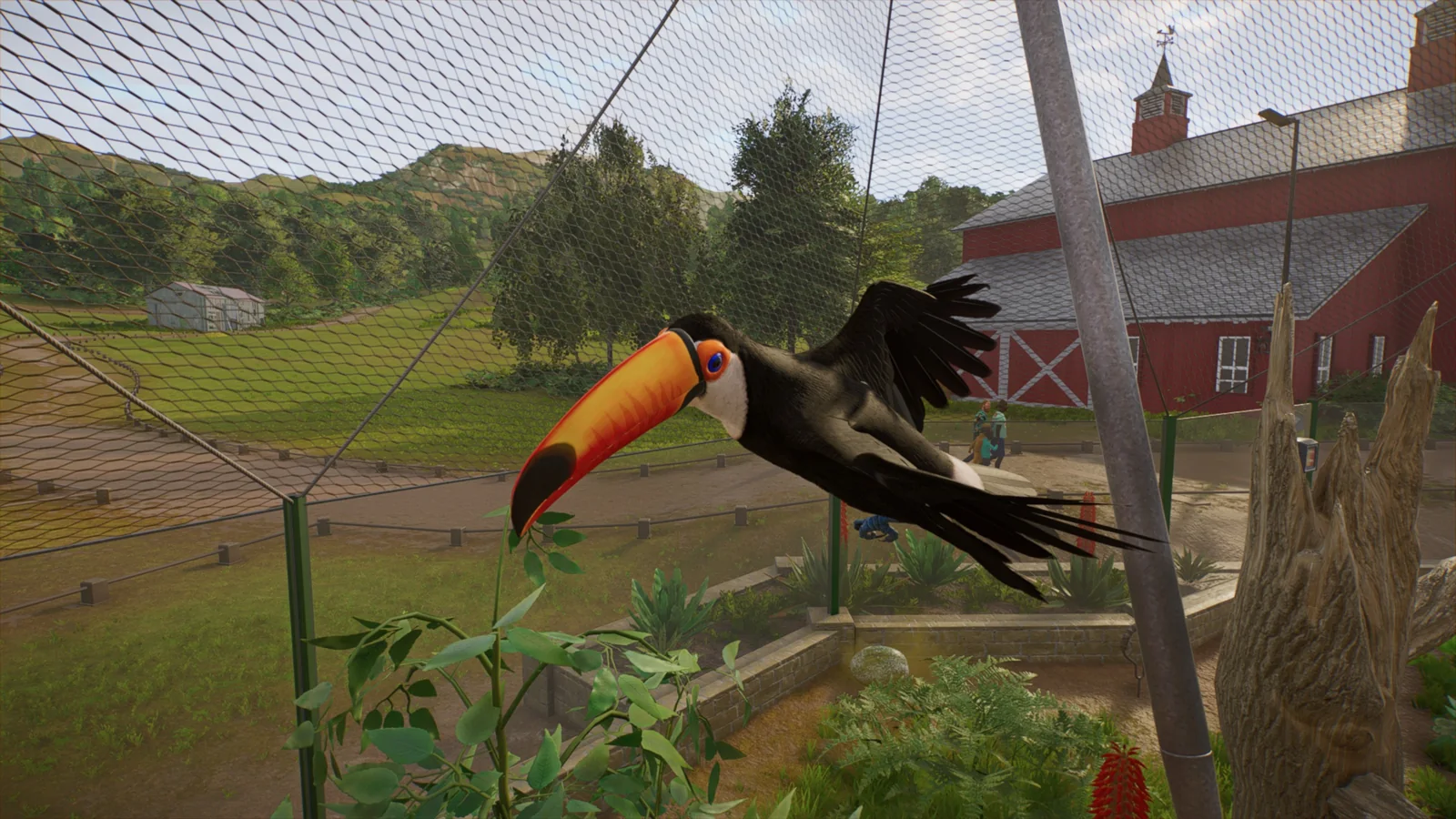
Incidental design touches, such as camera water-splash effects when moving viewpoints near aquatic exhibits, provide tactile flourishes that enhance immersion.
Conclusion
The simulation genre benefits most when creation tools encourage play rather than exhaustive labor. Releasing animals into new homes should feel triumphant, but in Planet Zoo 2, it often feels like simple relief.
Planet Zoo 2 ultimately captures incredible visual fidelity and rewarding animal behaviors, but its overly dense UI and demanding micromanagement prevent it from reaching its full potential as a relaxing construction sim.