A Noir Classic Returns
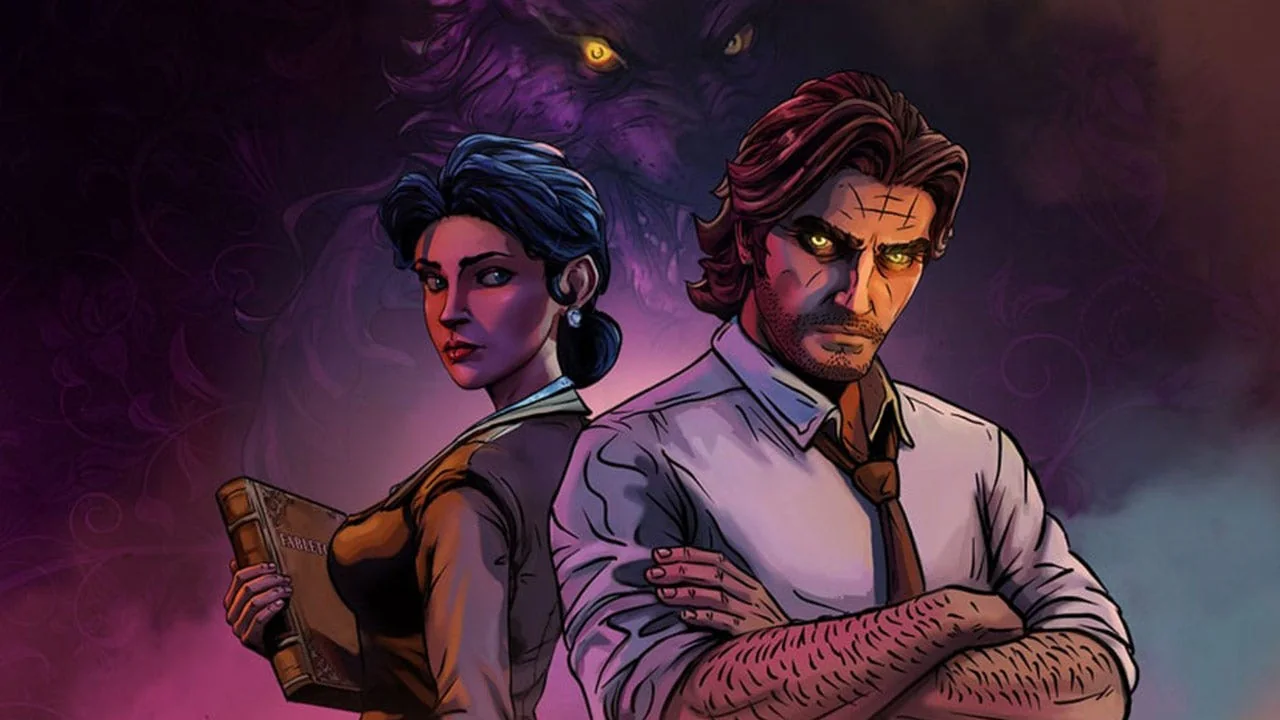
With intense performances, a heady atmosphere, and sharp writing, The Wolf Among Us’ gripping neo-noir saga rivalled prestige TV dramas when it first came out in 2013, earning acclaim as one of Telltale’s finest works. Now, with a long-awaited sequel in the works, it has been given a fresh coat of paint that refines locations and adds a suite of behind-the-scenes content. While some holdover annoyances like stiff animations remain, the story continues to shine, and the enhanced set dressing deepens its sinister mood.
Adapting Bill Willingham’s beloved Fables graphic novel series, the narrative depicts folklore characters covertly coexisting with humans in a New York suburb called Fabletown. Set roughly 20 years earlier as a prequel, the adaptation drops the player into the shoes of Sheriff Bigby (the Big Bad Wolf) to solve a bizarre murder. With a decapitated head on his stoop and the social fabric of the mythical community at stake, failure could cause their secret society to collapse entirely.
Bigby’s constituents do not fully trust him to get the job done given his history as a storybook villain. He is forced to lean on familiar faces like Snow White and Bufkin to chase leads as he unravels complex issues spanning class consciousness, poverty, and abuses of power.
Investigation and Choice
Gameplay is split between third-person conversations with a ticking clock and direct environmental investigation. Players can choose how to interact with witnesses, using persuasion, intimidation, or physical force depending on their moral compass. The language draws on fairy-tale source material while maintaining emotionally charged, resonant performances.
Reactions from characters are dynamic, with reminders tracking whether promises are kept or broken. This system reinforces that the experience is not just about solving a mystery, but about determining whether Bigby can shake off his villainous origins to become a true protector.
Players are given the freedom to play as a brutal enforcer or a sympathetic protector. Exploring this grey area allows for a deep understanding of Fabletown's desperate residents regardless of their flaws.
Between conversations, players control Bigby directly as he examines dingy locations for clues. These segments introduce further ethical quandaries regarding how to handle sensitive situations under pressure.
Interactive quick-time event sequences punctuate higher-octane moments, requiring players to react quickly during action set-pieces. Frequent checkpoints ensure smooth progression when mistakes lead to failure.
Pacing and Visual Upgrades
Spanning all five original episodes in a single package, the narrative maintains strong momentum until the penultimate episode, where the pace dips slightly as characters reiterate points already uncovered.
Because this is a remaster rather than a remake, major story changes were avoided to preserve the integrity of the original plot. The temporary pacing dip is ultimately a minor flaw in an otherwise brilliant story.
The remaster shines particularly bright in its environmental design. Locations like Aunt Greenleaf's apartment and the Puddin ‘n’ Pie have been redesigned with significantly more detail, better reflecting the personalities of their inhabitants.
Technical Polish and Extras
Despite the visual glow-up, some technical friction points remain. Characters occasionally move on a swivel, and Bigby’s clue-finding animations feel rigid. While passable in 2013, these awkward movements stand out more prominently in a modern release.
The package includes valuable bonus features such as a Noir game mode, a digital art gallery, and developer interviews. Most compellingly, a set of playable deleted scenes offers intriguing insight into alternate plot threads.