An Ambitious Genre Departure
Following the success of the high-speed action series Ghostrunner, developer One More Level ventured into unfamiliar territory with Valor Mortis, marking the studio's first attempt at a soulslike experience.
The title immediately stands out by translating traditional soulslike mechanics into a first-person perspective. Early impressions highlight smooth movement, responsive weapon handling with sabers and rapiers, and intuitive parry timings that give the combat a distinct and satisfying rhythm.
However, extended playthroughs reveal structural flaws. While the adventure begins with strong momentum, pacing dips significantly during the middle chapters before recovering somewhat toward the finale.
A Divergent Historical Setting
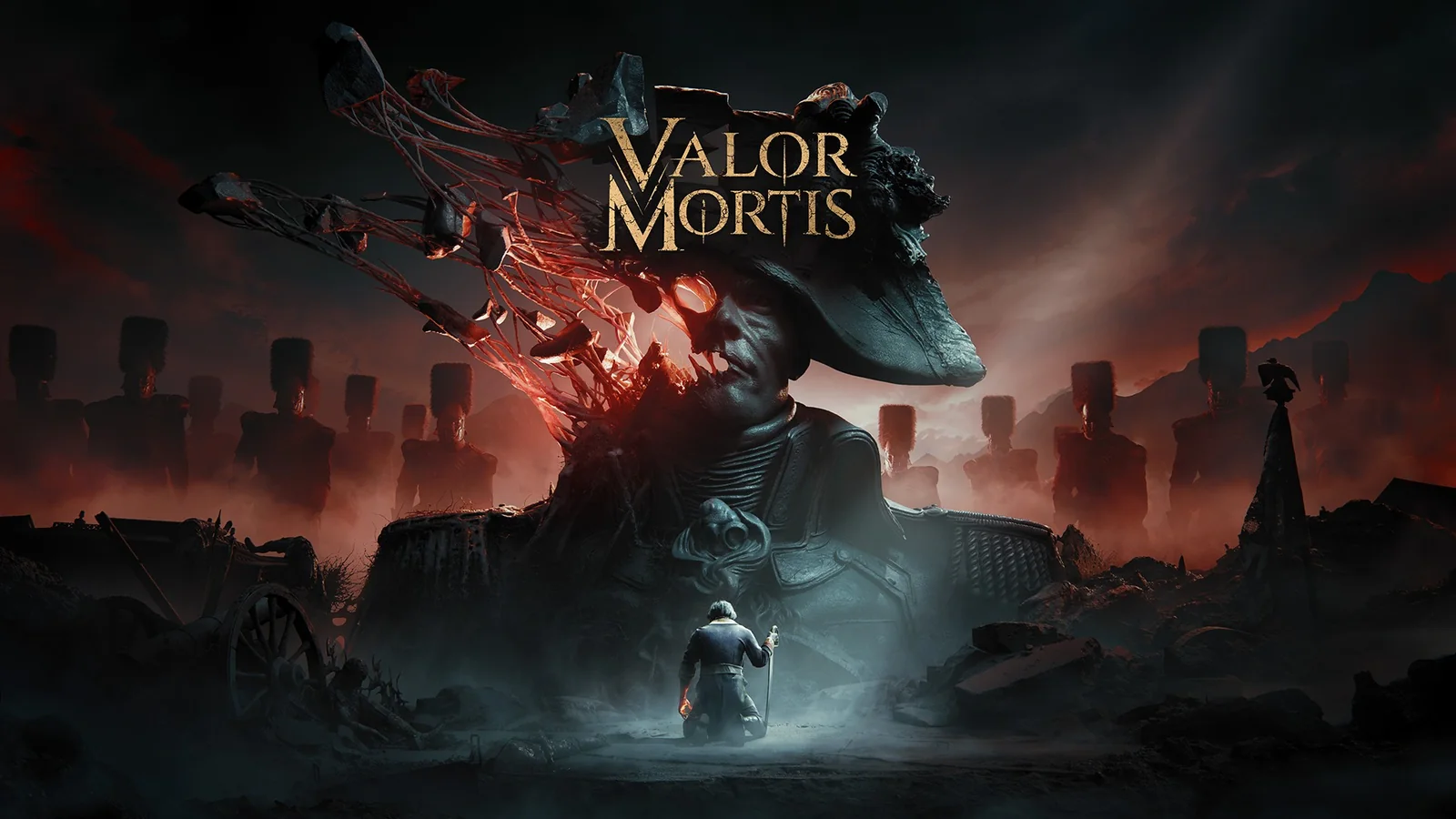
Valor Mortis differentiates itself through an alternate early 19th-century setting where Napoleon Bonaparte triumphed at Waterloo. By 1820, Napoleon maintains an imperial reign supported by propaganda and a dark secret involving undead soldiers who continue to serve despite fatal wounds.
Players step into the boots of William Dowsett, an amnesiac British soldier conscripted into the Imperial Guard's Foreign Legion. Traversing war-torn landscapes, William uncovers the grim reality behind the empire while confronting a dangerous resistance leader known as The Shrike.
The narrative stands out as one of the game's strongest components, utilizing environmental storytelling and haunting sequences to reflect on the brutality of war. The amnesiac protagonist acts as an effective vehicle for easing players into the deep lore and alternate history.
Despite a compelling build-up, the conclusion leaves certain narrative threads unresolved, seemingly reserving definitive answers for upcoming downloadable content.
Combat and Exploration Mechanics
At its core, the game translates classic soulslike pillars—stamina management, precise positioning, intricate exploration, and challenging boss fights—into a first-person format.
The opening hours succeed by offering varied enemy attacks that require careful parrying or dodging to fill posture bars for critical hits. Tools like firearms for targeting weak points and early transmutation abilities add tactical depth.
Traversal abilities grant access to previously locked areas in a Metroidvania style, rewarding thorough exploration. However, the lack of a robust gear or loot system means discoveries are typically limited to upgrade materials rather than game-changing equipment.
During early chapters, the gameplay loop feels cohesive, supported by smooth movement and reliable visual cues for parrying incoming strikes.
Pacing Issues and Level Design Hurdles
Momentum falters significantly past the halfway mark as level design shifts from open environments to restrictive, narrow corridors. The first-person perspective struggles to provide adequate positional awareness in tight spaces, turning encounters into exercises in frustration.
Confined spaces combined with aggressive enemy scaling frequently lead to unfair deaths and awkward positioning. These encounters expose the limitations of applying a first-person viewpoint to demanding melee-focused combat.
Limited enemy variety further dampens the experience, as most enemy archetypes are encountered within the first few hours. While creative boss fights provide highlights, several bosses are eventually recycled as standard enemies.
Build Variety and Pacing Friction
The absence of a deep loot system or varied armor limits buildcrafting. Passive accessories and linear weapon upgrade trees provide minor adjustments rather than transformative playstyle changes.
Combat can feel repetitive for extended stretches due to similar baseline melee weapons and late-game unlocks for advanced transmutation powers.
Skill trees offer limited customization, reflecting design choices reminiscent of linear action games rather than the open-ended experimentation expected in the genre.
Melee options remain largely homogeneous early on, and essential utility powers arrive too late to meaningfully diversify mid-game encounters.
High-mobility sequences demanding rapid traversal and precise positioning echo the developer's previous fast-paced titles, sometimes clashing with the deliberate pacing of a soulslike.
While these movement-heavy segments are technically polished, they enforce a singular, rigid solution to encounters, restricting player freedom.
Heavy reliance on ranged enemy accuracy in later stages forces slower, methodical firearm use, temporarily altering the gameplay flow away from close-quarters melee combat.
Interface oversights, such as shared inputs for crouching and interacting, occasionally cause unintended movement actions during critical moments.
Ultimately, fluctuating quality across the campaign creates an exhausting journey, though the final third successfully alleviates some mid-game frustrations.
Powered by Unreal Engine 5, Valor Mortis delivers striking aesthetics that effectively capture its alternate 19th-century premise. Dilapidated battlefields and eerie institutional settings create an atmospheric journey.
Performance testing on high-end hardware indicates stable frame rates in the 80 to 90 FPS range using DLSS and upscaling technologies, though traversal stutters occasionally occur despite precompilation steps.
Enabling ray tracing introduces noticeable stuttering across multiple environments, particularly in late-game areas. Disabling ray tracing mitigates these issues without severely impacting visual fidelity. Additionally, occasional application crashes affect overall stability.
While falling short of its initial promise due to pacing dips and design friction, Valor Mortis remains a solid and commendably inventive entry in the soulslike genre.
The title establishes a strong foundation, leaving room for future refinement should the developer revisit the concept in a prospective sequel.