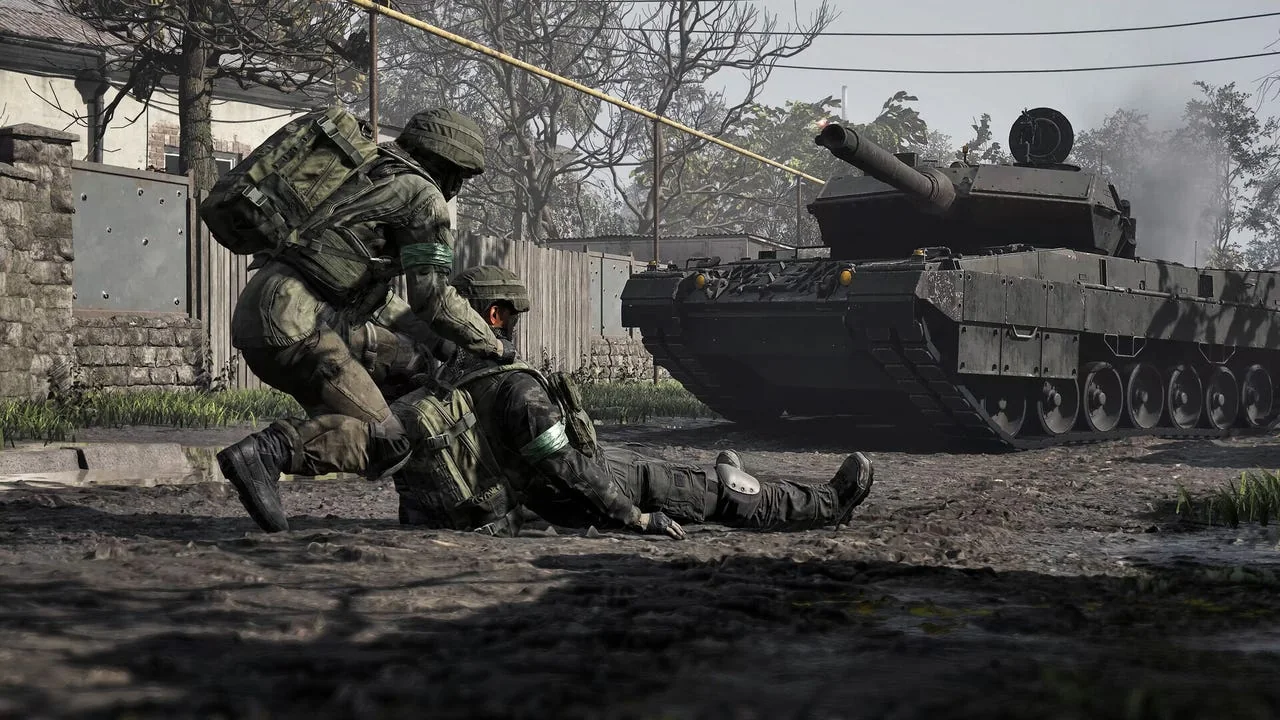
The Wardogs Blue Team Phenomenon
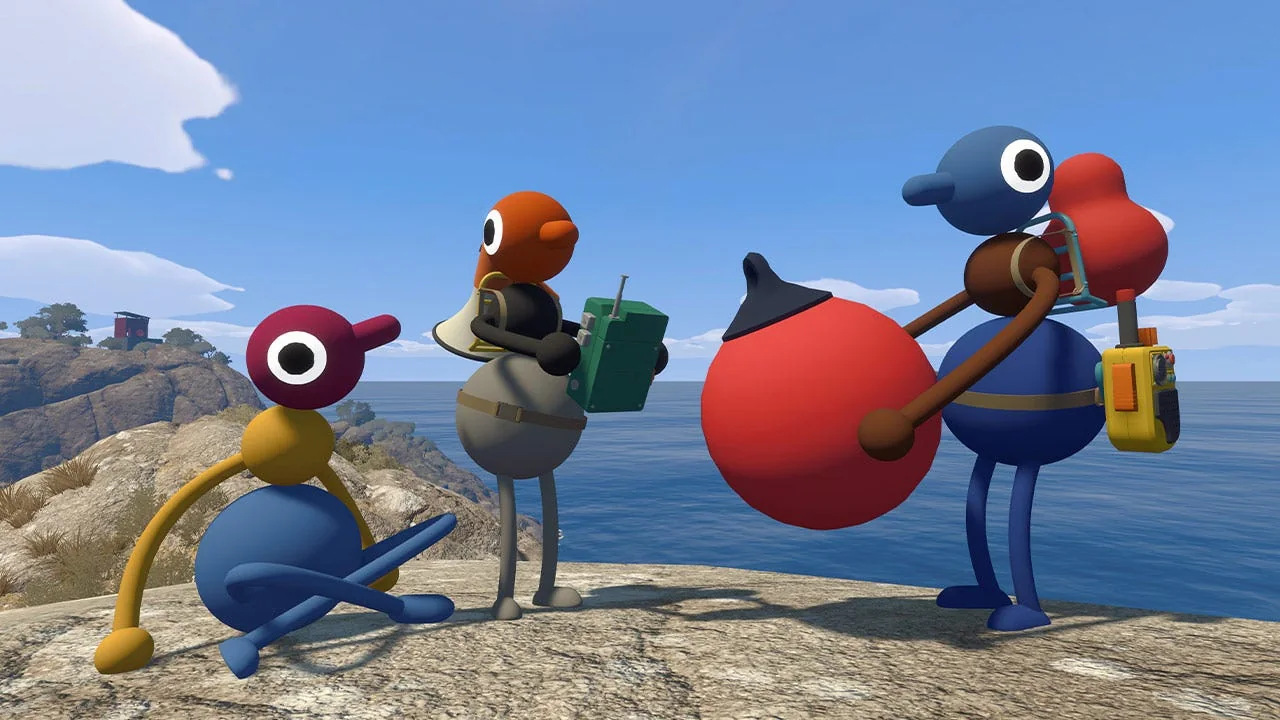
Wardogs is a free-for-all sandbox military game where three separate teams battle for control over an ever-changing zone in the middle of a massive map, as tanks fire shells, artillery and mortars pepper the landscape, helicopters blast the drums of war through proximity chat, and dozens of players run and gun.
There are three factions: Valkyra Red Team, Manticore Green Team, and Lonestar Blue Team. They look different on the field, with Red featuring a soviet style, Green wearing Persian gear, and Blue sporting a Western paramilitary aesthetic. Despite having access to the same equipment and an equal chance to win, the Blue Team notoriously underperforms.
Lonestar has become a meme in the Wardogs community, with numerous montages highlighting team blunders, missed shots, and pre-spawn helicopter crashes.
What the Stats Say
According to developer Bulkhead, official statistics confirm that Blue Team struggles. Lonestar won around 10% of its matches at the height of the community meme, though recent efforts by players have raised the winrate to approximately 15%. In comparison, Red currently wins around 36% of matches, while Green leads with 49%.
UI director Howard Philpott noted that Blue was the most popular faction pre-alpha due to its American Private Military Company aesthetic, attracting many newer players. Early alpha builds featured a genuine map advantage that caused competitive players to migrate to Red and Green, establishing a perception that persisted into release.
Map Layout and Spawns
Some players theorize that spawn locations contribute to the imbalance. Blue Team spawns in the middle of the map, while Green and Red are positioned on the sides, creating the perception that Blue must fight a war on two fronts. For Season 2, the development team plans to adjust team spawns on the Bakuriani map to address this.
Color Psychology Perspective
Color behavioral design and color psychology expert Karen Haller offered insight into team selection habits, noting that players often pick the first option presented on a screen simply out of default positioning.
Community perception heavily influences player choices, with many gamers actively avoiding Blue to join friends in Red or Green, reinforcing the meme-driven stigma.
Haller suggested that altering the team's shade of blue or changing the color entirely to orange might shift public perception, indicating the issue stems from a self-fulfilling prophecy rather than an inherent color disadvantage.
Groupthink and Player Behavior
Ultimately, the low win rate appears driven by player composition rather than color theory or mechanics. Skilled players often avoid Lonestar to escape inexperienced teammates, compounding the faction's competitive disadvantage.
Haller, author of The Little Book of Color, noted that the statistics have little to do with color psychology and everything to do with community groupthink and tactical execution.