The High Cost of Next-Gen Hardware
Recent reports indicate that Microsoft's next-generation Xbox console is projected to cost between $1,200 and $1,800 when it arrives in 2028.
The next-gen Xbox won’t cost you $1,800. It can’t. Can it?
Industry observers and executives have repeatedly questioned whether mass audiences would ever pay thousands of dollars for a home console.
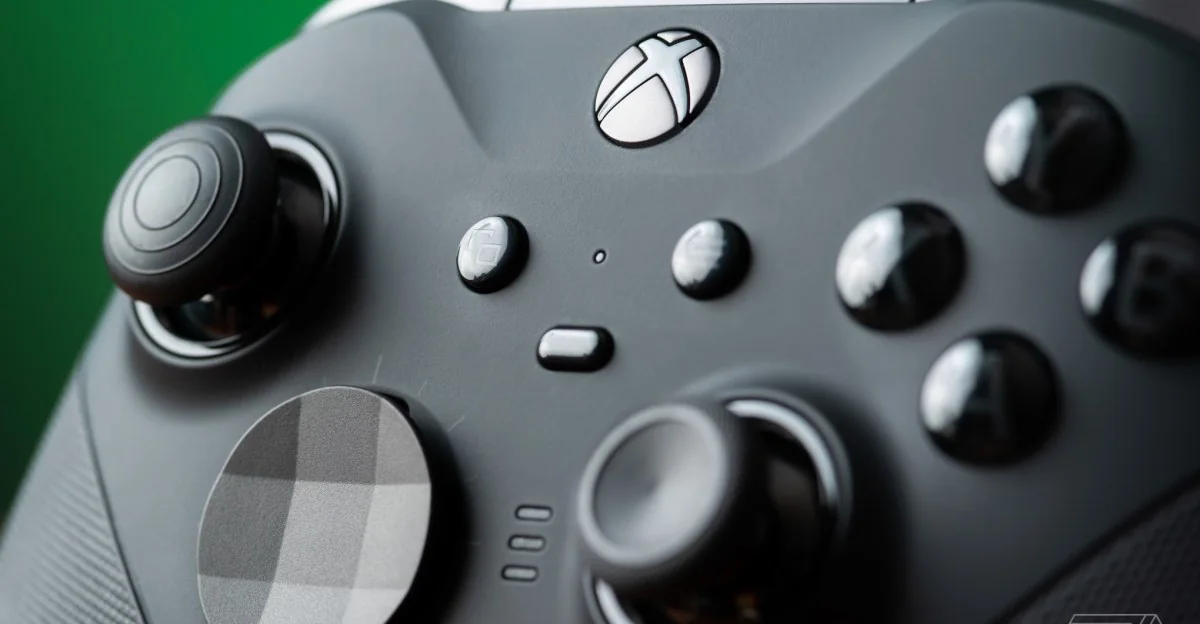
An Xbox Elite controller.
Initial reactions suggest such a steep price point could severely damage launch adoption.
Leadership figures within the industry have expressed skepticism about releasing hardware at prohibitively high prices.
Past statements from Xbox executives have frequently emphasized the need for consumer affordability.
Previous leadership noted that the market cannot expand with thousand-dollar consoles.
Current executives have similarly highlighted the financial barriers facing mass audiences.
Strategy teams have evaluated internal practices to prioritize accessible pricing models.
Alternative business models are being considered to prevent hardware from becoming excessively expensive.
Despite these goals, rising component expenses present a significant challenge.
High costs for RAM and storage make expensive manufacturing a realistic hurdle for high-performance hardware.
Several potential strategies could address these pricing pressures without placing the full burden upfront on consumers.
Alternative Pricing and Business Models
Reports indicate that hardware pricing could be heavily influenced by whether the company decides to absorb manufacturing costs.
Internal projections suggest high baseline costs unless corporate subsidies are applied.
Historically, console manufacturers have often sold hardware at a loss to recoup investments through software and subscription sales.
However, recent internal memos suggest that massive platform and hardware subsidies may not continue at previous scales.
Corporate leadership has emphasized the transition toward sustainable business models.
High-end positioning has been signaled for upcoming devices, comparing them to premium gaming PCs.
Internal planning remains flexible as executives continue to reevaluate affordability.
Subsidizing open PC gaming ecosystems presents unique financial risks for hardware makers.
Subscription: Bundling hardware with services
Another avenue involves spreading hardware costs over extended subscription agreements.
Telecommunications industries regularly utilize multi-year service contracts to offset expensive mobile devices.
Similar bundling strategies could tie high-end consoles to expanded game subscription tiers.
Pricing adjustments for subscription services demonstrate ongoing efforts to balance consumer value.
While subscription fatigue remains a concern, hardware financing models could secure long-term platform engagement.
Financed technology models have a long history across consumer electronics industries.
Rental and Cloud Alternatives
Hardware shifts could also lead to a market split where traditional ownership becomes a luxury.
Economic factors have increasingly turned specialized gaming systems into premium products.
Despite price adjustments, demand for dedicated gaming hardware often remains resilient among dedicated buyers.
Supply limitations continue to impact manufacturing output across the industry.
Cloud-based gaming models offer an alternative pathway for users to access advanced performance without purchasing expensive local hardware.
Focus may shift toward providing flexible access rather than widespread console ownership.
The next gen is the current gen
Steep hardware pricing could drive many players to retain their existing systems.
Early adopter markets may absorb initial expensive hardware runs despite limited volume.
Specialized early-access devices often sell out despite high costs and unfinished software states.
Previous handheld and specialized releases demonstrate steady demand from enthusiasts.
Splitting the audience risks transforming major hardware releases into mid-cycle refreshes rather than revolutionary generational leaps.
Development costs have raised concerns about sustainable production practices within the industry.
Industry veterans have frequently questioned the necessity of traditional generational leaps.
Current hardware capabilities remain sufficient for a large majority of players.
Extending current console life cycles could benefit both developers and consumers.
Simplifying technology development helps maintain broader hardware participation.
Performance-enhancing upscaling technologies are helping current-generation systems maintain visual fidelity.
Pay what you can afford
Diverse hardware families could allow third-party manufacturers to offer varied price points.
Partners could introduce distinct form factors running compatible operating systems.
Flexible storage and memory configurations could help reduce overall entry costs.
Existing console models will likely remain part of the broader hardware ecosystem.
Shared software architectures allow games to scale seamlessly across different performance levels.
Standardized performance baselines help developers optimize software for diverse hardware configurations.
Upcoming portable hardware options may further reshape hardware expectations.