The Next Generation
With major phone launches for the year largely wrapped up in the U.S. and Europe, attention turns toward the next major releases. As usual, the first big flagship series of the year is expected to be Samsung's Galaxy S27 lineup.
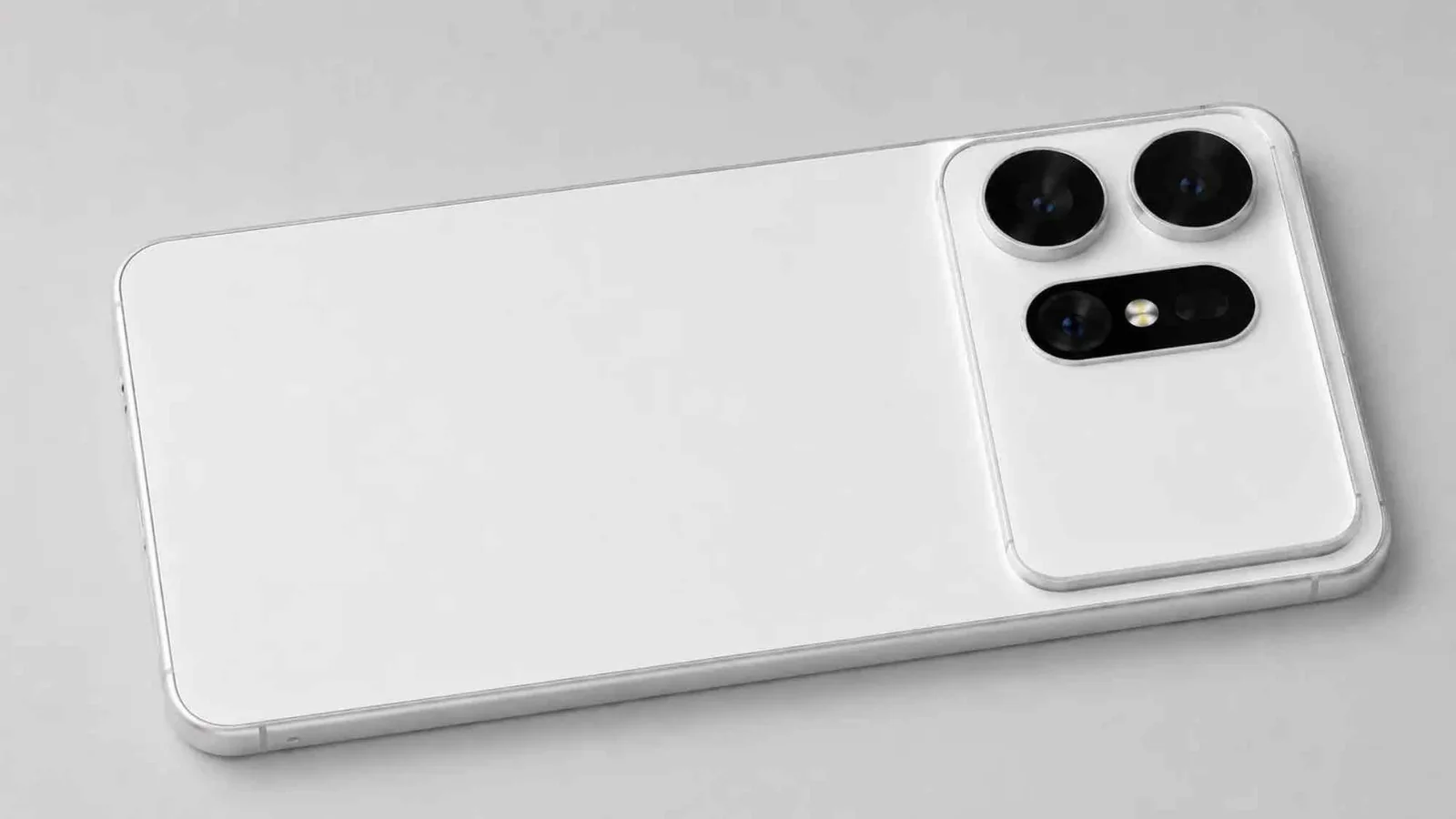
The S27 series is rumored to comprise four models: the Galaxy S27, Galaxy S27 Plus, Galaxy S27 Ultra, and a new Galaxy S27 Pro. Early rumors point toward one of the most substantial redesigns Galaxy phones have seen in years alongside several requested improvements.
Here are the top seven changes we want to see implemented in the Samsung Galaxy S27 series.
Battery and Charging Improvements
Galaxy battery capacities have remained stagnant, with Galaxy S Ultra models stuck at a 5,000 mAh plateau since 2020. Meanwhile, competitors like OnePlus have introduced batteries exceeding 7,000 mAh without drastically altering device thickness.
Samsung has proven it can adopt silicon-carbon battery technology in devices like the Galaxy Z Fold 8 series. This tech offers greater energy density, allowing for higher capacities without expanding physical battery dimensions.
Current leaks suggest the S27 Ultra may feature a 5,700 mAh battery, while the S27 Pro could pack 5,200 mAh. Improvements over the 4,300 mAh and 4,900 mAh capacities found in the previous standard and Plus models are widely anticipated.
Magnetic wireless charging
Adoption of the full Qi2 wireless charging standard complete with built-in magnetic alignment rings remains slow across Android flagships. Samsung has lagged behind, often relying on specialized cases to deliver magnetic accessory support.
Various justifications regarding S Pen interference and internal space constraints have been cited in the past. With a major hardware redesign slated for the S27 series, integrating Qi2 magnets natively is an essential step.
Display and Camera Refinements
While the Privacy Display introduced on the Galaxy S26 Ultra is innovative, it requires refinement. Notably, the feature tends to dim the screen even when toggled off, negatively impacting overall peak brightness.
High visibility outdoors relies on bright screens, which should not be compromised by inactive software-driven privacy layers.
Viewing angles also suffer when the privacy modes are disabled. Granular user controls to select specific sections of the screen for blackout effects would offer a better experience than automated handling.
Upgraded camera features
Samsung has occasionally neglected camera hardware on standard models like the Galaxy S26 and S26 Plus. While 50MP main sensors are acceptable, 12MP ultrawide and 10MP telephoto lenses fall short of true flagship standards.
A resolution bump for the ultrawide camera—ideally to 50MP—is necessary for the standard and Plus devices, alongside meaningful telephoto enhancements.
For the Ultra model, advanced hardware additions such as variable zoom and variable aperture lenses would help maintain a competitive edge against industry rivals.
Faster charging
Charging speeds have progressed slowly, though the Galaxy S26 Ultra saw an increase to 60W. However, the standard S26 and S26 Plus models remained capped at 25W and 45W respectively.
Given that wireless charging speeds on the Ultra reach 25W, base models are overdue for performance improvements.
The Galaxy S27 series needs to elevate baseline charging speeds across the entire lineup.
Lineup Strategy and Pricing
Introducing a Galaxy S27 Pro raises questions regarding market positioning between the S27 Plus and S27 Ultra if the existing four-device structure remains unchanged.
Samsung must carve out a distinct, useful niche for the Pro model without compromising features on adjacent devices or inflating overall costs.
Balancing features and price is critical to prevent internal market cannibalization.
No more price hikes
Recent pricing trends have seen multiple S26 models increase in cost compared to their predecessors, pushing the Ultra variant to $1,400.
Although component costs like RAM and storage fluctuate, consumers need price stability rather than continued increases for the S27 generation.