Overview and Hardware Upgrades
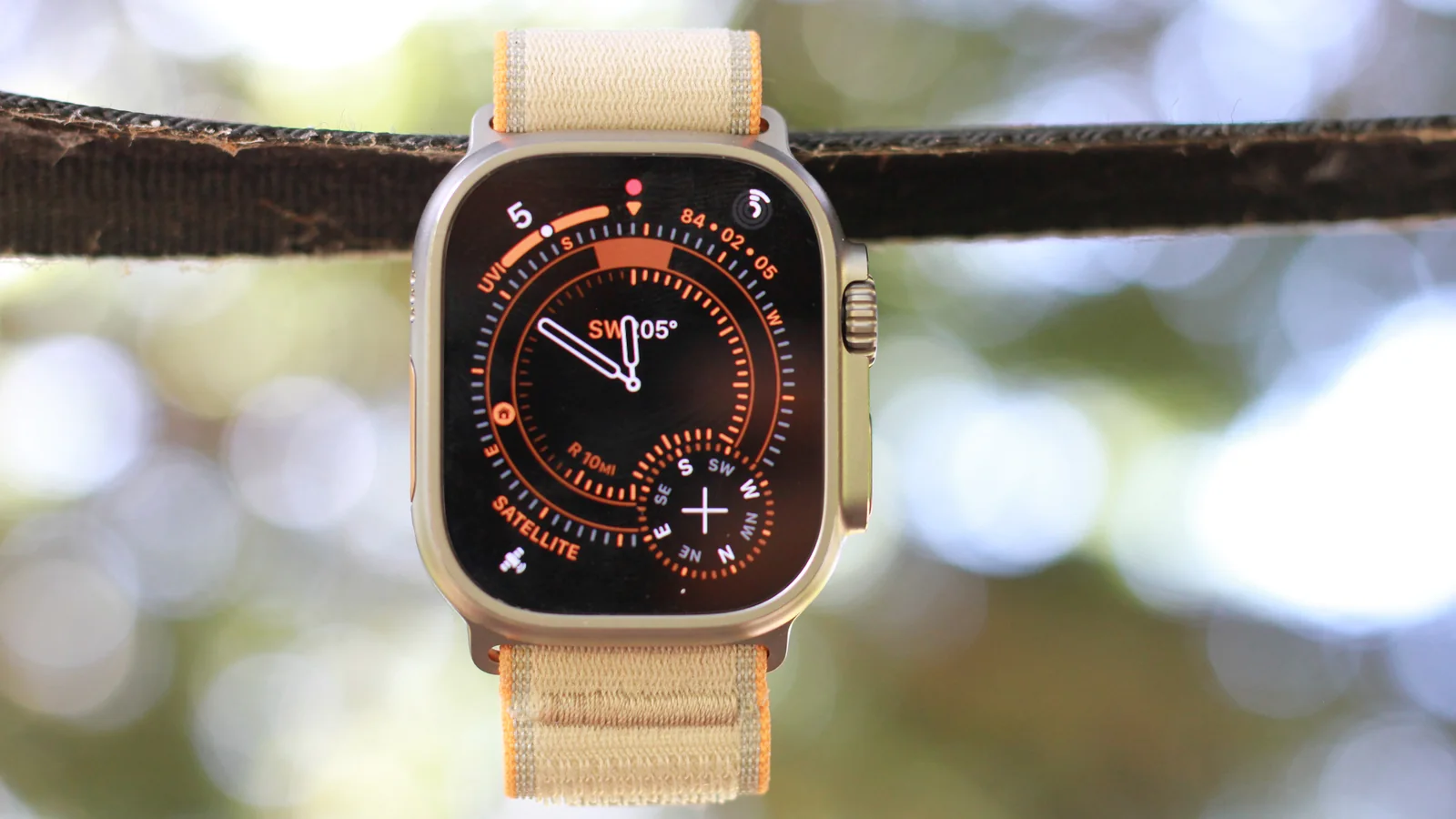
The Apple Watch Ultra 4 enters the dedicated sports watch category with a new processor and reengineered sensors that unlock frequent health measurements, advanced recovery insights, and AI-powered audio tools without requiring a monthly subscription. A larger battery combined with a power-efficient processor delivers substantial runtime gains over its predecessor alongside flexible power-saving options for endurance athletes.
The source reviewer evaluated the $799 wearable extensively over a week of daily use and athletic testing.
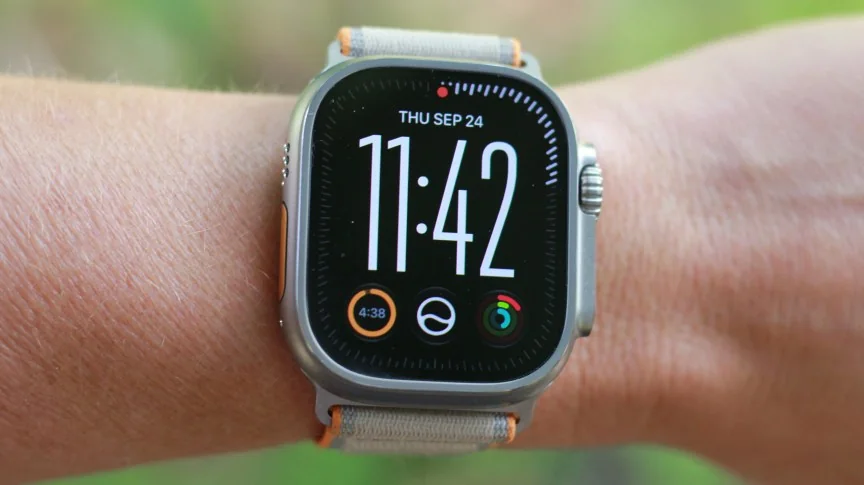
Because the Ultra 4 shares core upgrades with the standard Series 12, its underlying processor, health sensors, and operating system updates provide a unified technical foundation.
New Sensors and Enhanced Sampling
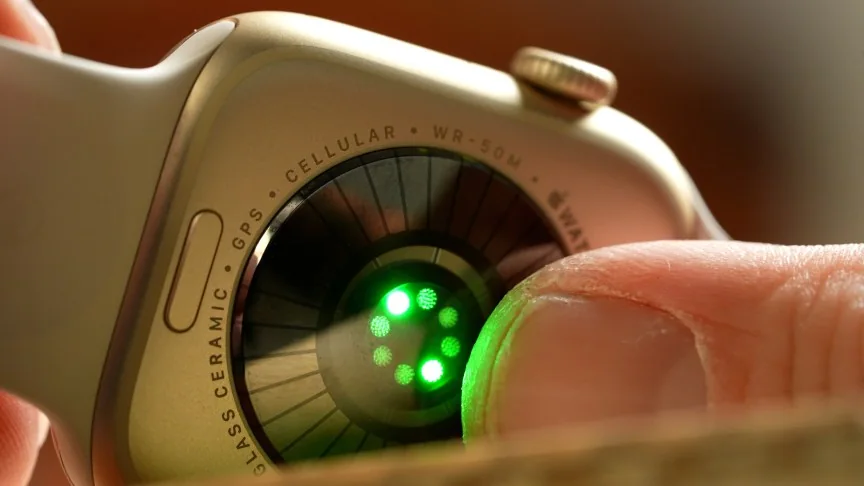
While the exterior aesthetic remains familiar, flipping the watch reveals a redesigned sensor array featuring 32 electrodes arranged in a flower-like pattern to expand surface area for ECG readings. Green and infrared LEDs are integrated into a smaller central cluster. These refined components, coupled with the new S11 processor, allow the device to capture heart-rate and heart-rate variability readings every five seconds, a significant increase in sampling frequency compared to older iterations.
Readiness Score and Recovery Metrics
This higher sampling frequency builds a detailed profile of daily cardiovascular activity, powering the new Readiness score. The metric evaluates how prepared the user's body is to handle daily stress and workouts based on accumulated physiological data.
After establishing a baseline of seven days with at least four hours of nightly sleep, the watch outputs a score ranging from 1 to 10 mapped across four actionable guidelines: Recover, Pace Yourself, Ready, or Go for It. Unlike static morning metrics found on competing platforms, Apple's implementation fluctuates dynamically throughout the day based on physical strain and rest.
In practice, however, the metric feels less dynamic than alternatives like Garmin's Body Battery, updating primarily once or twice daily rather than offering continuous visual tracking. Furthermore, the absence of historical readiness logs or long-term trend analysis requires users to manually recall previous patterns.
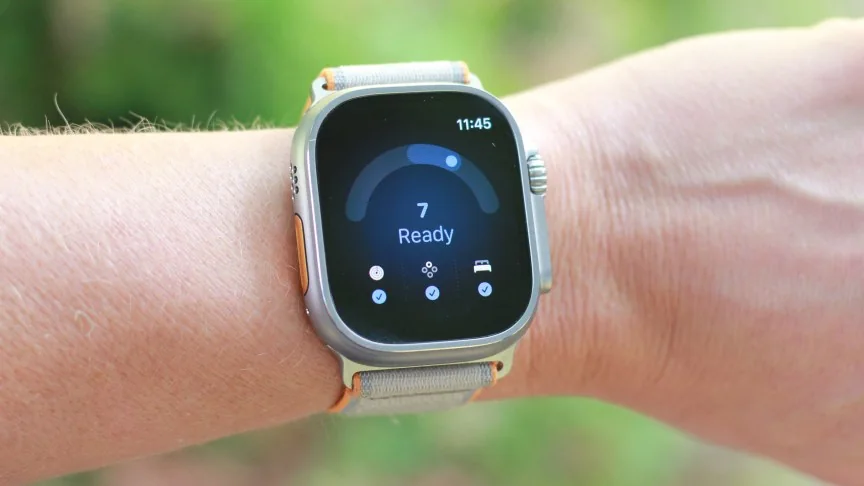
The readiness algorithm also lacks deep integration with menstrual cycle tracking. Although cycle day information appears within the readiness interface, the software does not explicitly correlate hormonal phases with recovery fluctuations, a feature present in select competing wearables.
Other market offerings actively flag how ovulation and luteal transitions impact perceived exertion and heart-rate variability, providing users with clearer context for adjusting training schedules.
A new Daytime toggle in the Vitals application also displays daytime heart rate and HRV alongside overnight measurements such as skin temperature and blood oxygen levels.
Battery Life and Endurance Performance
Battery longevity has historically distinguished the Ultra lineup from standard smartwatches. The Ultra 4 features an expanded physical battery that yielded an extra 10 hours of typical usage with the always-on display enabled during source testing.
Initial discharge testing surpassed manufacturer estimates, delivering up to 60 hours on a single charge under moderate usage that included three 30-minute outdoor GPS workouts. Activating low power mode can extend runtime further, while fast-charging capabilities restore roughly 18 hours of use within a 15-minute window.
The custom S11 chip plays a critical role in efficiency by routing background tasks—such as frequent sensor polling—to a dedicated low-power processor without waking the main system.
Finally, enough battery life for an ultramarathon
For endurance sports, the device introduces specialized workout battery profiles. Extended Workout mode scales continuous tracking up to 25 hours by omitting advanced running-form metrics like vertical oscillation and cadence while maintaining full GPS and heart-rate sampling.
Max Extended mode pushes tracking limits to 45 hours by scaling back GPS fidelity to single-band and reducing heart-rate polling to a rolling five-minute average.
While multi-day outdoor excursions demand significant power management, these configuration options provide athletes with practical compromises to complete long events.
Despite these improvements, battery performance remains behind dedicated endurance watches that offer multi-week runtimes, though the Ultra 4 compensates with deeper smartwatch integration and processing power.
Audio Intelligence and Privacy Considerations
Audio Intelligence capabilities allow the device to interpret surrounding sounds using features like rapid Shazam music recognition and Sound Recognition accessibility alerts for environmental noises such as sirens or crying babies.
More advanced, conversational tools include Live Rewind, which retrieves a transcription of the preceding 15 seconds of dialogue via a double-click of the Digital Crown.
Additionally, Siri Recap can run in the background to summarize meetings and spoken discussions based on user schedules and manual triggers.
Apple incorporates onboard hardware isolation to process audio securely within the S11 chip without retaining raw recordings, transmitting only condensed transcripts to cloud infrastructure before deletion.
Despite these safeguards, surrounding individuals lack a clear visual indicator—such as an external tally light—to signal when active transcription is occurring.
Apple Watch Ultra 4: Bottom line
The 49mm footprint and rugged construction present a bulky profile for everyday wear, but enhanced battery life, frequent sensor sampling, and subscription-free recovery scoring make the Ultra 4 a compelling choice for athletes and upgraders alike.
Priced at $799, the device includes built-in cellular hardware and emergency satellite connectivity, though cellular service requires a separate carrier agreement.
While it cannot match the extreme battery life of specialized outdoor brands, the watch succeeds by offering comprehensive health analytics without locking core features behind ongoing subscription fees.
The combination of refined recovery metrics and improved runtime makes this generation a worthwhile upgrade for users transitioning from earlier Ultra models.
For the broader market, the Ultra 4 demonstrates that consumers no longer need to sacrifice traditional smartwatch utility to secure a dedicated athletic wearable.