The Promise of Foldable Apps
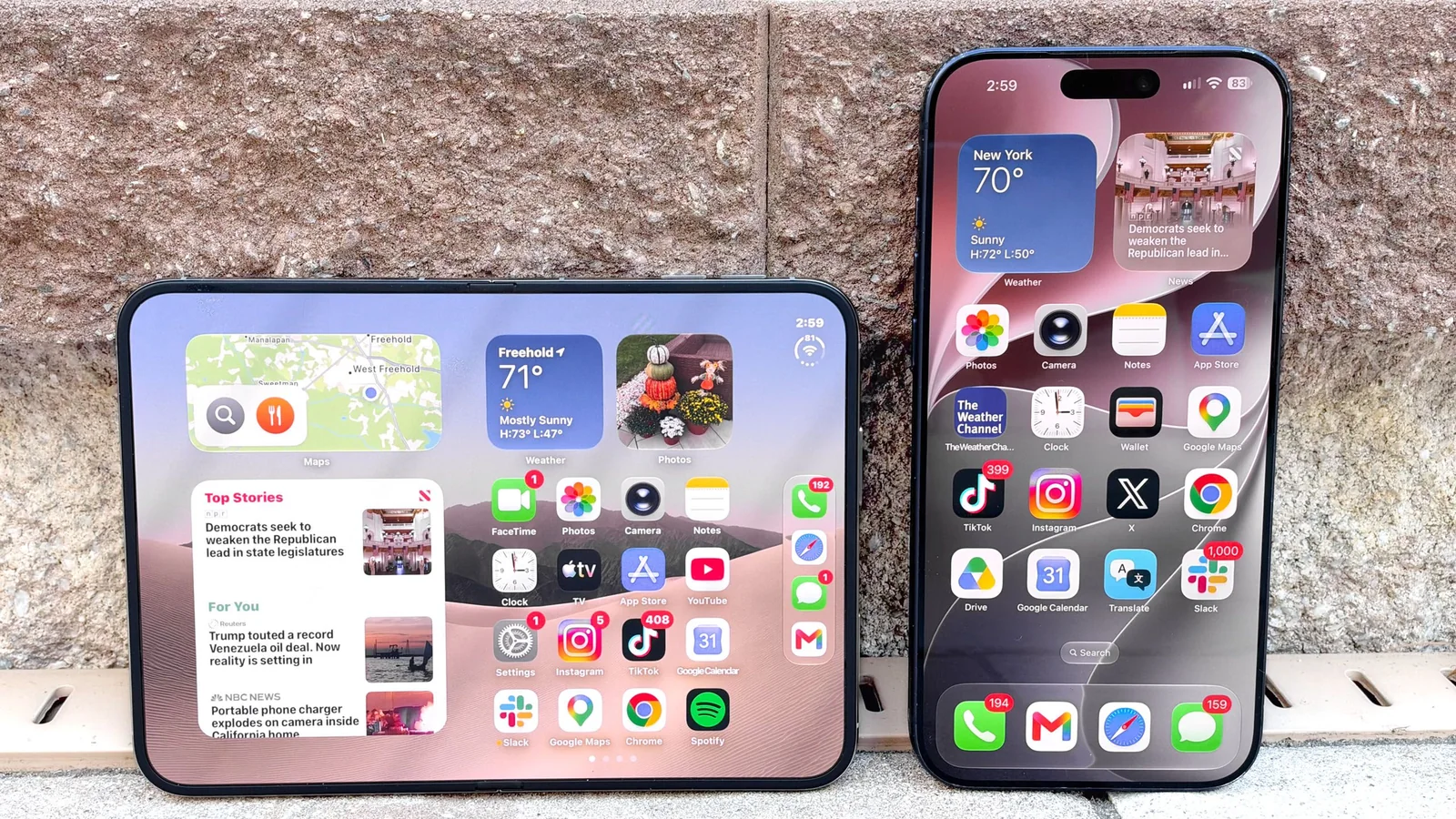
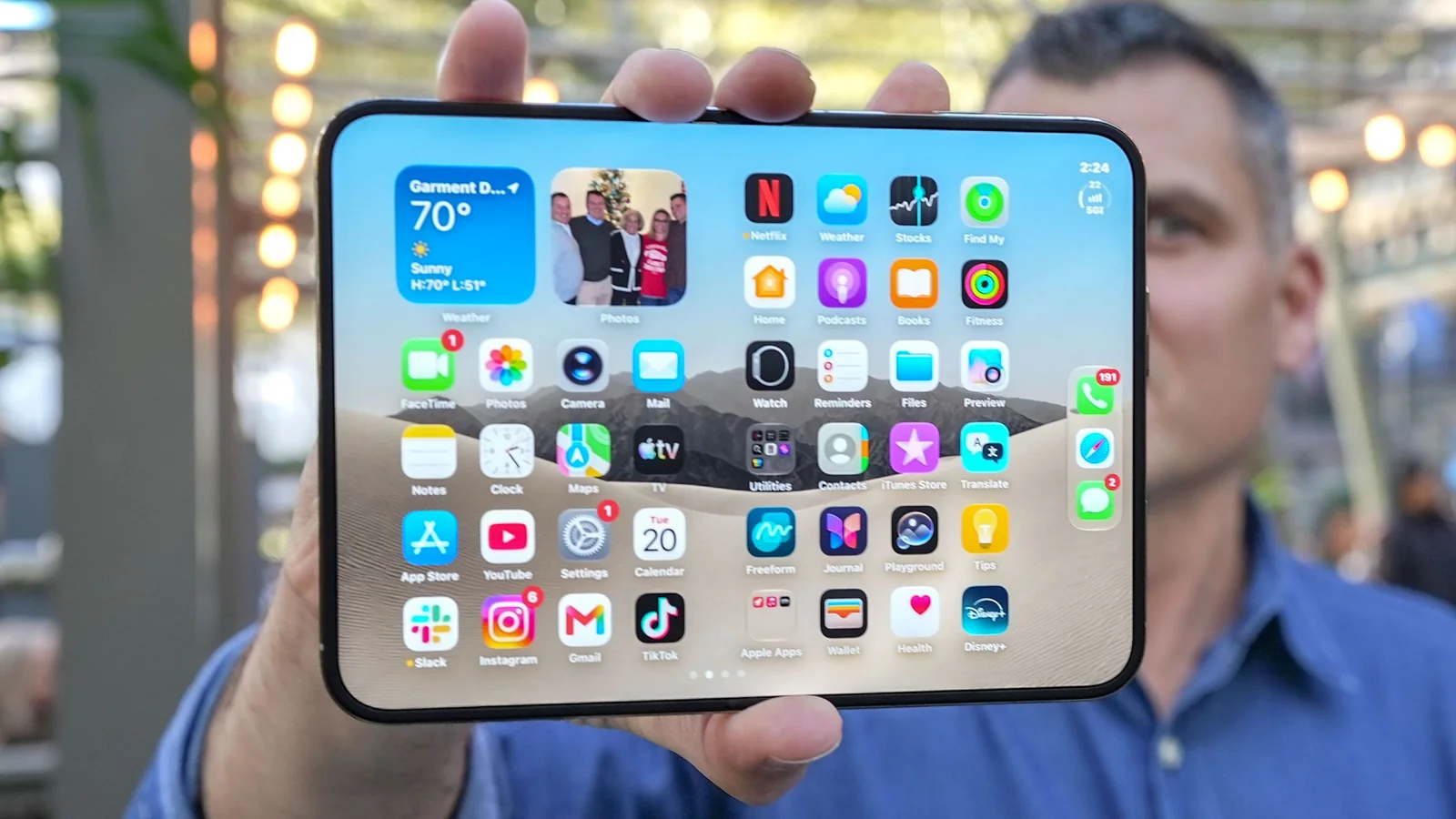
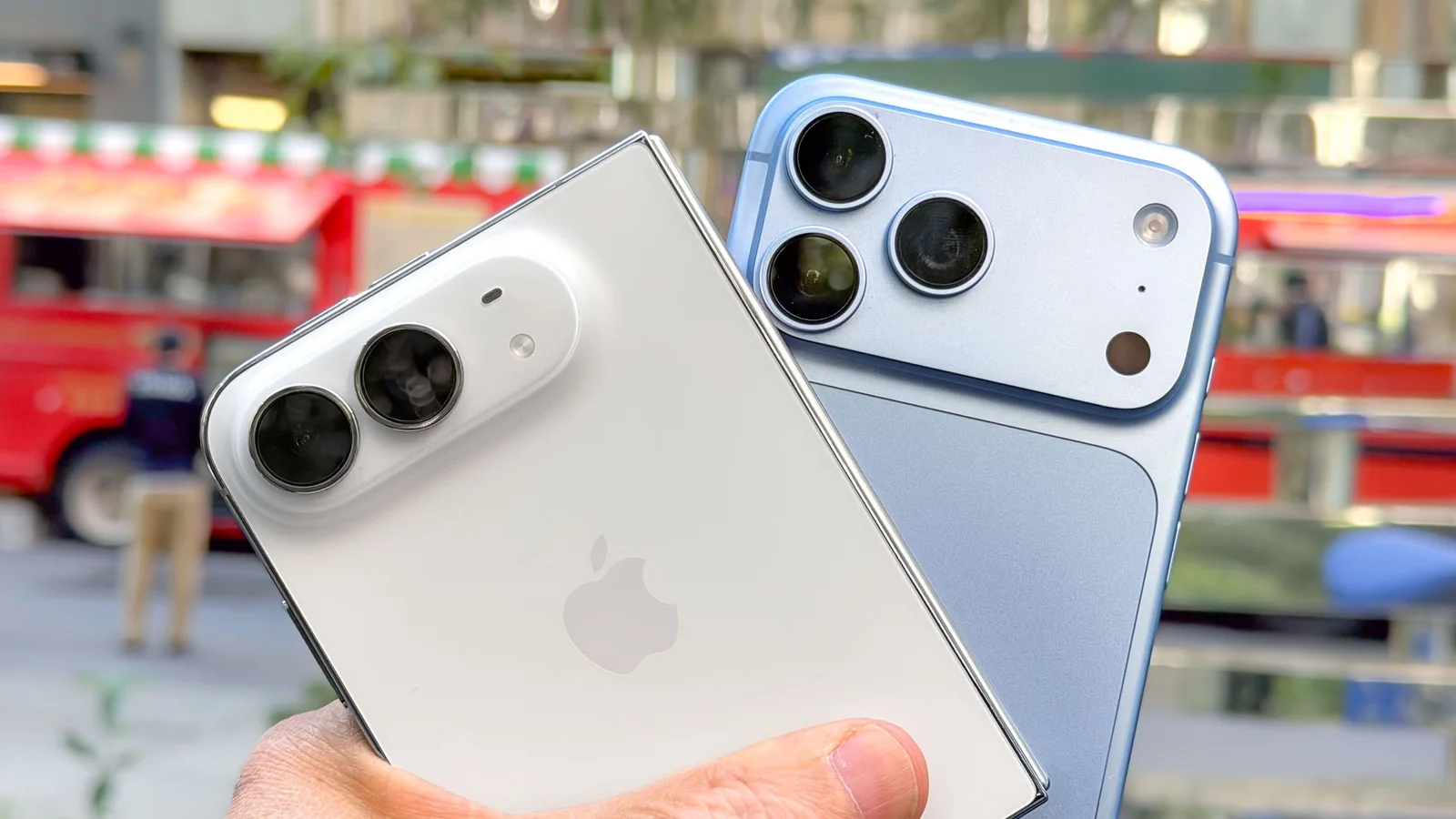
When working on the new hardware, Apple anticipated that developers would find creative ways to utilize the expanded screen space of the iPhone Duo.
Apple executives noted that experiences like watching live sports helped shape the device. Previews at league headquarters demonstrated how a sports application adapts to a larger, flexible display.
While optimistic about creator adoption, the transition raises questions about whether buyers receive enough value to justify a $2,000 starting price.
App optimization remains a dividing line following the initial launch. Some consumers view unfinished experiences as a reason to wait, while others argue that expecting fully realized foldable apps on day one is unrealistic.
Evaluating these apps leads to a central consideration: how much better does an interface need to be on a foldable screen to justify the hardware design and cost?
Real-World Multitasking
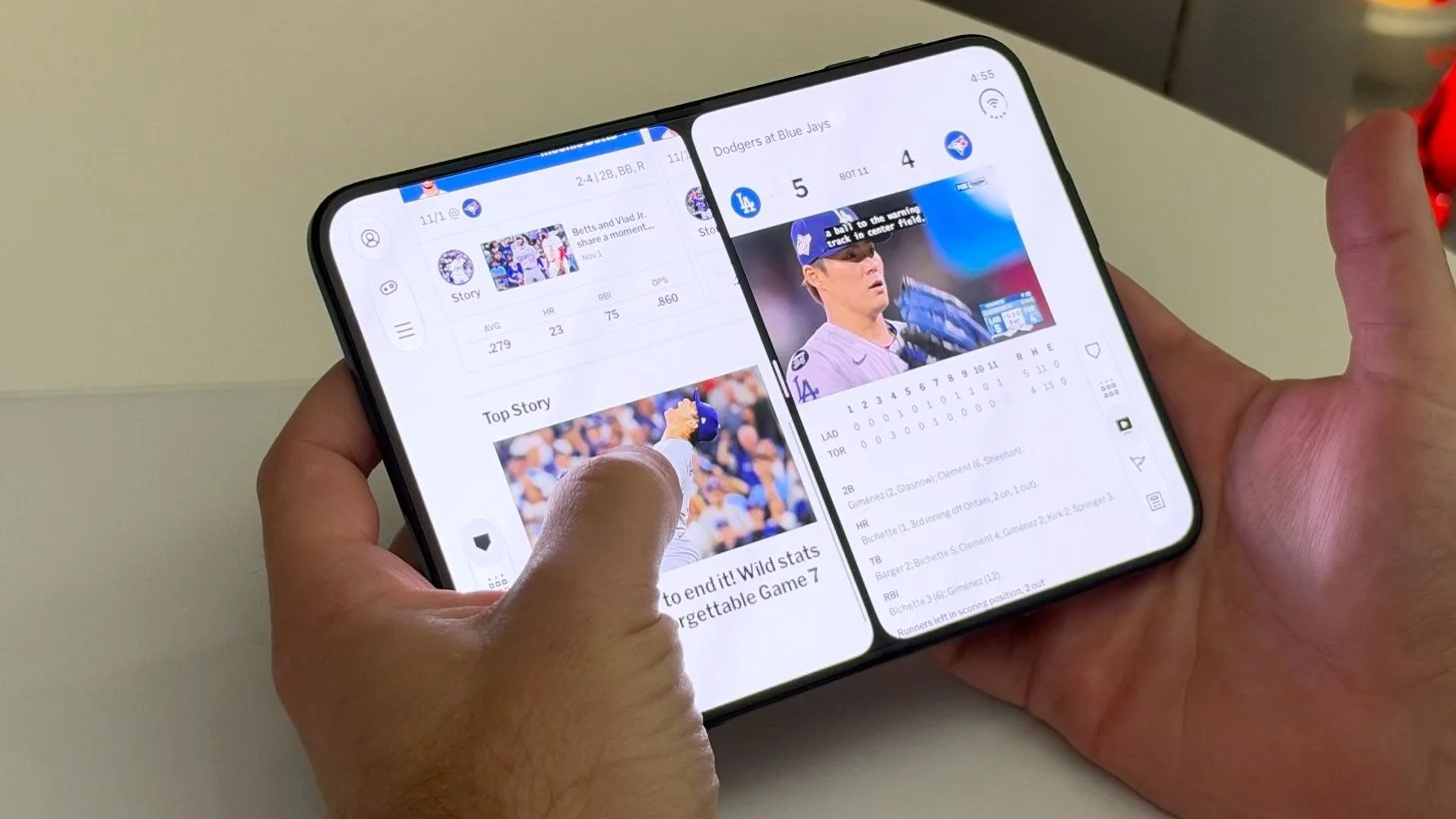
Streaming sports on a larger display is an appealing prospect, as demonstrated by the updated MLB application designed for the iPhone Duo ahead of the World Series.
The updated @MLB app and iPhone Duo are ready just in time for the World Series! I saw a preview of the new experience today and they really hit it out of the park! https://t.co/mU9xwiUvSFOctober 22, 2026
With the device partially folded in a tabletop stance, the software displays video on the upper half and a synchronized box score below. Users can follow the game and check statistics simultaneously.
Fully unfolded, the screen provides ample space for multitasking features, allowing users to read articles, send messages, or manage tasks while keeping the broadcast visible.
League representatives emphasized the novelty of having a functional second screen built into a single pocket-sized device.
“To me, it's amazing how this is the second screen, on one device, in your pocket.” Kenny Gersh, MLB’s executive vice president of Media, Business Development and Product
For content providers, the incentive lies in user engagement. Features that let fans communicate with friends without interrupting the broadcast help drive longer viewing sessions and return visits.
Viewer habits and league goals align when flexible hardware enables simultaneous viewing and secondary activities.
Iterative Development
Early versions of launch software can feel unpolished compared to mature mobile apps. However, developers acknowledge that initial releases will evolve significantly by future opening days.
Major sports leagues are using high-profile events as learning experiments to observe how consumers actually interact with flexible displays.
Key usage patterns include preferences for tabletop layouts, split-screen multitasking, and companion social feeds, all of which inform future feature sets.
Initial testing is constrained by single-game schedules, whereas regular-season slates with concurrent matchups will provide deeper insights into multi-stream demands.
The Value Proposition
There is a distinct gap between designing for novel hardware and understanding practical user habits. Adaptations will require continuous refinement as developers build for foldable iOS devices.
Selected applications already demonstrate thoughtful layout adjustments that shift fluidly across different orientations to match real-world tasks.
Contextual divisions, such as video paired with statistics, prove that practical changes validate the hardware, even if software ecosystems require ongoing adjustments.
Successful software on the iPhone Duo must offer compelling reasons to unfold the device. Simply scaling up standard phone interfaces falls short of justifying premium pricing.
As ecosystem optimization continues, users expect hardware-specific experiences that genuinely enhance daily mobile interactions.