Next-Generation Sensor Technology
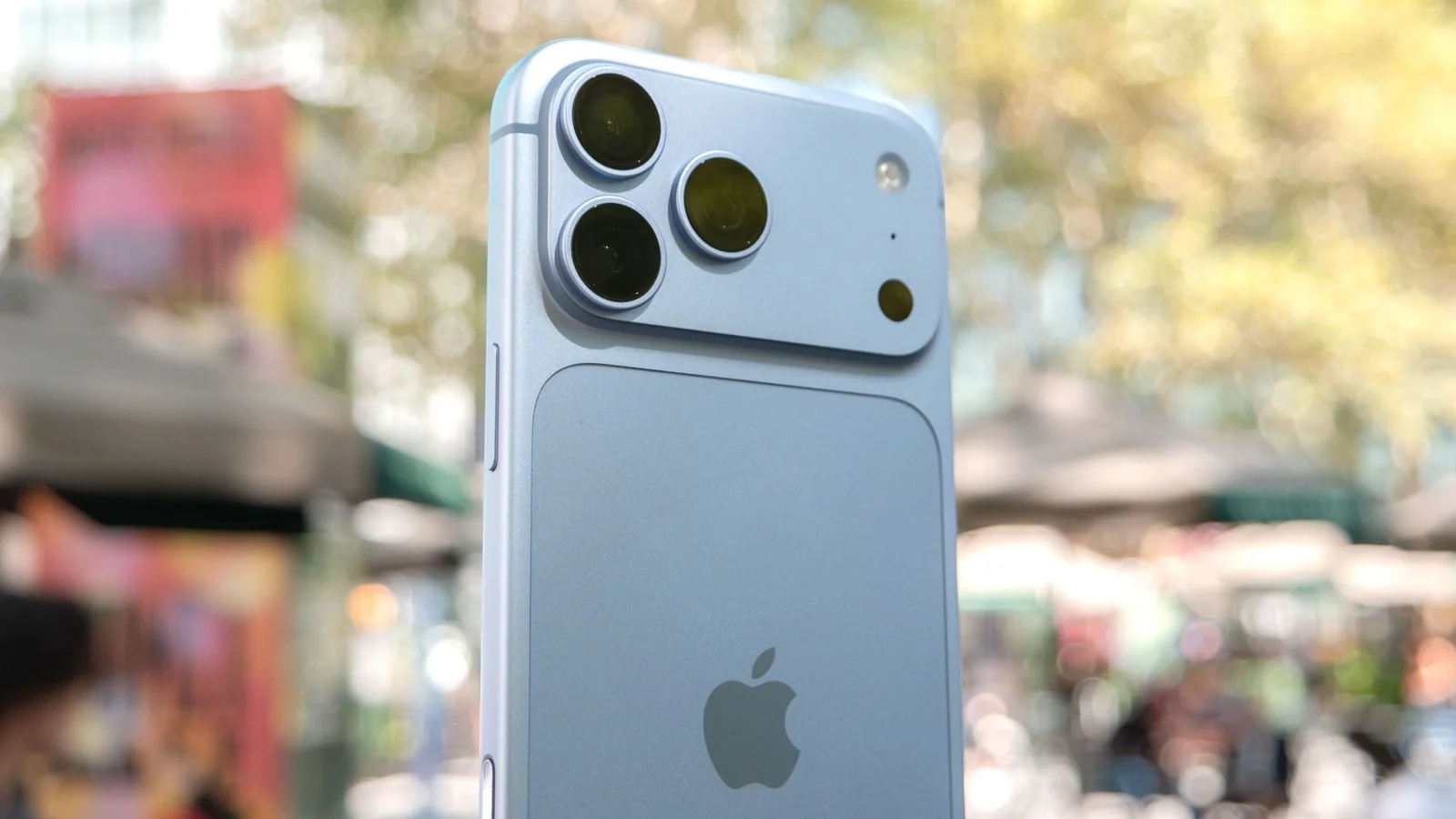
The upcoming iPhone 20 Pro is expected to introduce a significantly more advanced imaging sensor. Recent reports suggest Apple is moving toward a new 17-nanometer manufacturing process for the sensor's logic circuitry, which could provide substantial performance gains.
While the current iPhone 18 Pro Max remains a top-tier camera phone, recent iterations have seen only incremental hardware improvements. Analysts and enthusiasts are now looking toward the next flagship release to provide a more substantial leap in imaging capabilities.
The shift to a 17nm logic layer for the main sensor is expected to enable faster readout speeds and more efficient image processing. By reducing power consumption and improving data throughput, this hardware change could address several long-standing limitations in mobile photography.
Here is how this advanced sensor technology could impact daily usage:
Richer dynamic range performance
Modern smartphone photography relies on computational processing, where the device captures multiple frames in rapid succession to create a single, balanced image. A faster sensor readout would allow the iPhone 20 Pro to merge these exposures more effectively.
This improvement is particularly relevant for high-contrast scenes. By processing data more quickly, the camera can better preserve highlight details while simultaneously lifting shadows, resulting in a more balanced final photograph.
The technology aims to prevent blown-out highlights in harsh lighting conditions, ensuring that bright areas retain texture and detail without sacrificing the overall exposure of the scene.
Faster action shot responsiveness
Faster sensor readout speeds are critical for reducing rolling shutter distortion and eliminating shutter lag. These improvements are essential when capturing fast-moving subjects, such as athletes or vehicles, where traditional sensors often struggle to maintain focus and clarity.
With the ability to freeze motion more cleanly, the iPhone 20 Pro could significantly reduce the occurrence of blurry or distorted frames in action photography.
ProRes recording without overheating
High-resolution video recording, particularly in formats like ProRes, places a heavy demand on a phone's processing hardware, often leading to thermal throttling during extended sessions.
A more power-efficient 17nm sensor could mitigate this heat buildup. By reducing the energy required for data capture, the device may be able to sustain high-quality video recording for longer durations without overheating.
Outlook
While the iPhone 20 Pro remains in development, the potential for a 17nm sensor is promising. If this technology is paired with a physically larger sensor, it could offer a significant upgrade over the mechanical variable aperture systems found in current Pro models.
Beyond light-gathering capabilities, a larger or more advanced sensor could improve overall image sharpness and definition. If these rumors materialize, the next anniversary iPhone could represent a major milestone in mobile imaging.