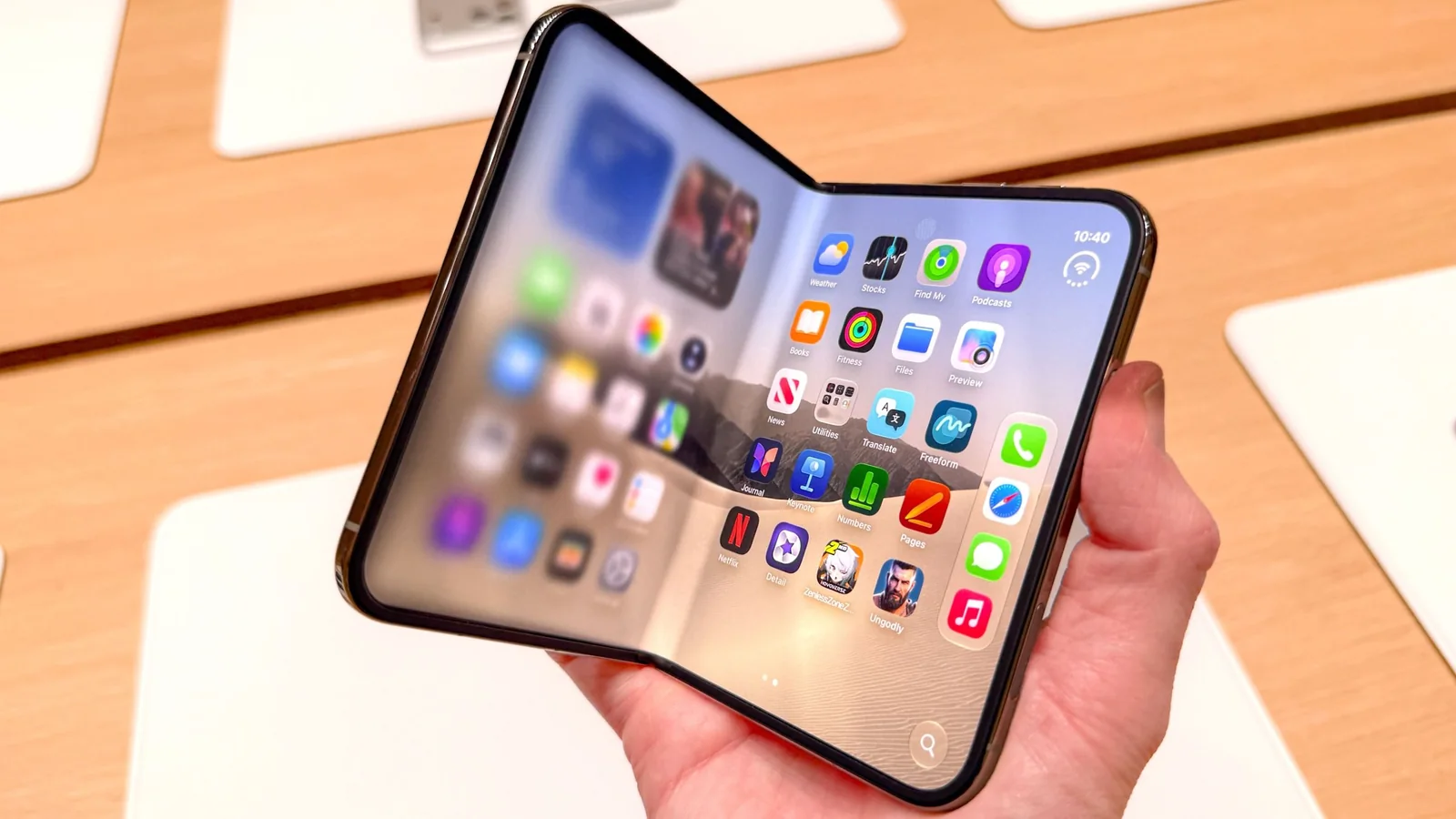
The iPhone Duo has been in reviewers' hands for at least a week, and early reviews are starting to trickle out. We analyzed reviews from multiple sites to find out what consistent flaws critics found in Apple's first foldable.
Overall, the reviews are quite positive, with a common refrain being that the iPhone Duo is an early adopter device. This suggests some initial growing pains but with plenty of room for Apple to improve.
Initial Impressions
Most of the complaints center on hardware issues, such as missing features like Face ID and concerns about the device's feel. One consistent flaw is software-based, but that might be addressed before most consumers receive their foldable iPhones in the coming months.
Let's delve into the most common flaws identified in the iPhone Duo.
The Price
While frequently mentioned, the price is not typically listed as a major concern by reviewers, who acknowledge the $2,000+ price tag is high, exceeding the Galaxy Z Fold 8 by $100.
However, when compared to other foldables, the iPhone Duo's pricing appears competitive, and it is considered a capable phone.
As CNET's Abrar Al-Heetl noted, "If anything, the Duo’s high cost and limited availability only reinforce that Apple’s foldable isn’t for everyone. But if you’re looking for something compact that unfurls into a tablet-like experience – and you want to stick with iOS – the iPhone Duo could be the right fit."
For those who are not early adopters or are budget-conscious, the high price can be a significant barrier, and a price reduction is unlikely soon due to the ongoing AI-fueled memory shortage.
Camera Limitations
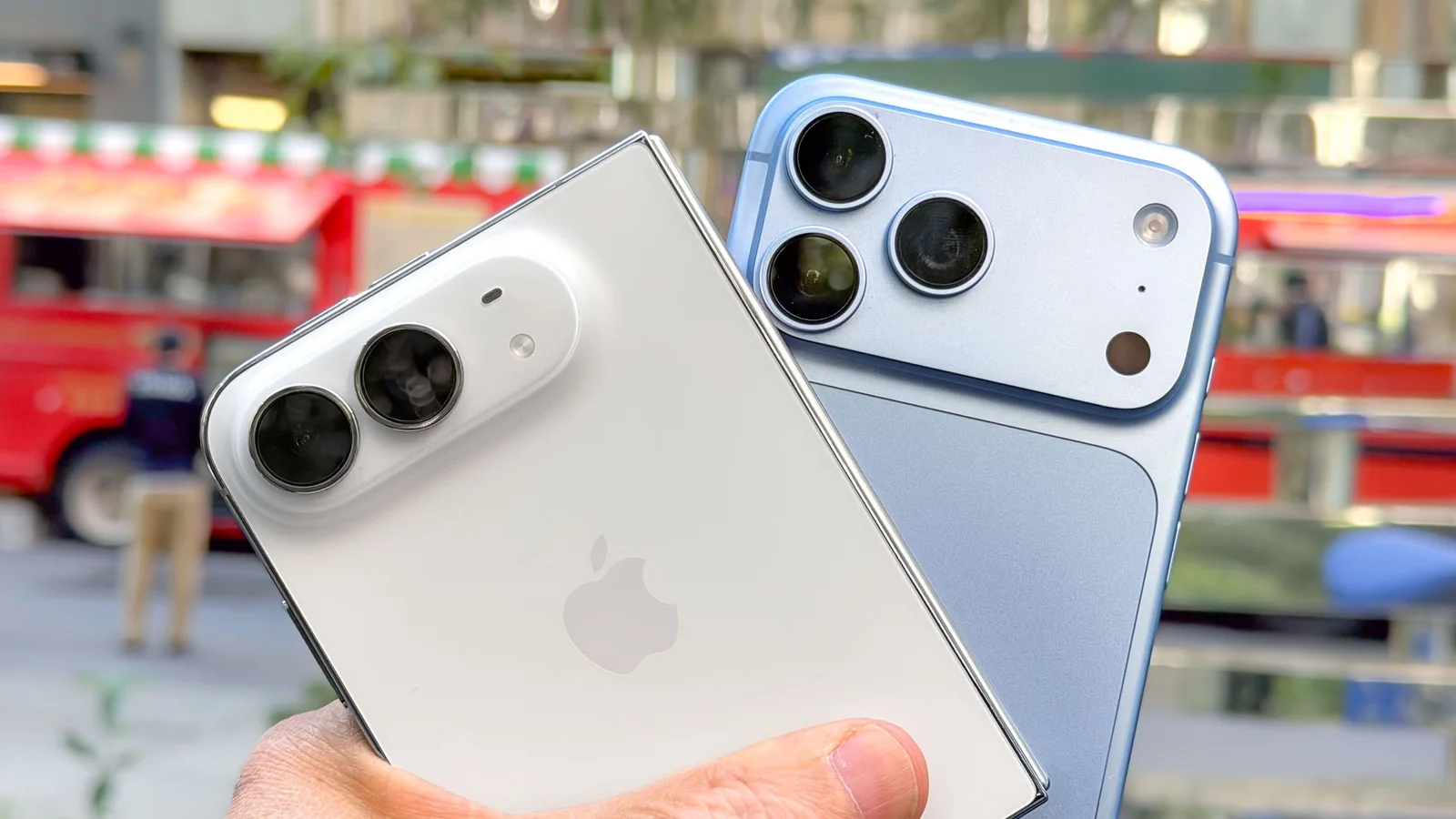
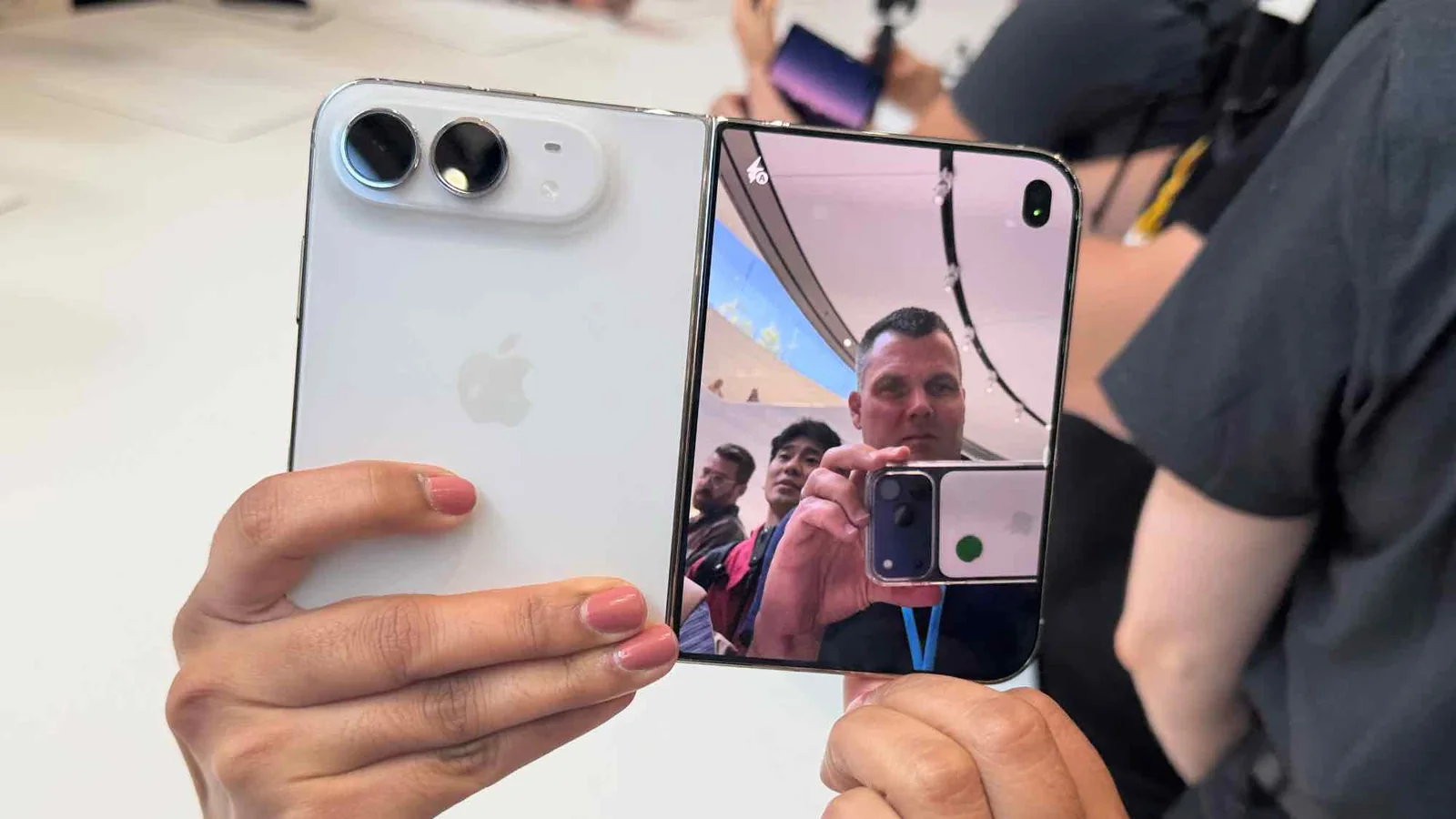
Beyond the price, the absence of a telephoto lens was a consistent point of criticism across nearly all reviews. The cameras are considered a downgrade compared to the iPhone 18 Pro models.
PetaPixel, with its focus on cameras, summarized the Duo's camera performance succinctly: "This camera is the epitome of 'fine,'" according to Jaron Schneider.
Schneider also observed that shooting with the Duo can be awkward, citing a lack of firm grip when closed and an unwieldy feel when unfolded.
Conversely, the iPhone Duo's Smart Take feature received praise for its ability to wait for subjects to enter and pose before capturing photos, a feature many hope will extend to other iPhone models.
Display Observations
A common concern with foldable phones is the display crease, which tends to become more noticeable over time with repeated opening and closing.
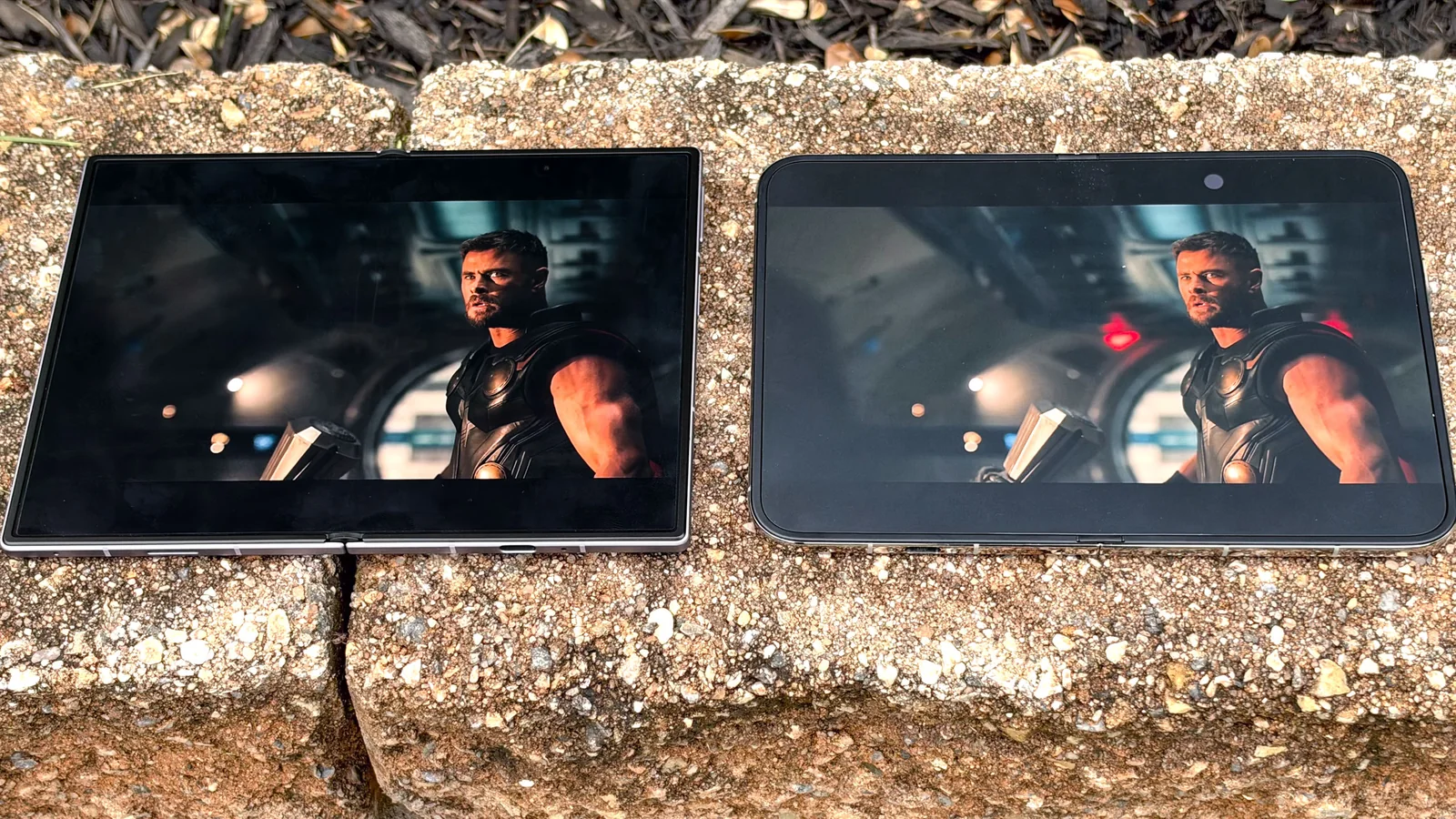
Apple's approach to minimizing the crease, utilizing a nanotexture layer on the display, is largely effective. Reviewers noted this layer helps reduce glare and provides a pleasant tactile experience.
However, Wired's Julian Chokkattu pointed out that video quality is not as crisp as on the iPhone 18 Pro, even when viewing content on the larger 7.6-inch inner display. "You don’t get the crisp video quality, deep blacks, and sharp contrast of the iPhone 18 Pro when watching movies and shows on apps like Netflix on the nanotexture panel," he stated.
Given that Apple already offers the nanotexture display as an option on its MacBook Pro and Studio Display XDR, users who dislike it on those devices are unlikely to prefer it on the Duo.
Biometric Security
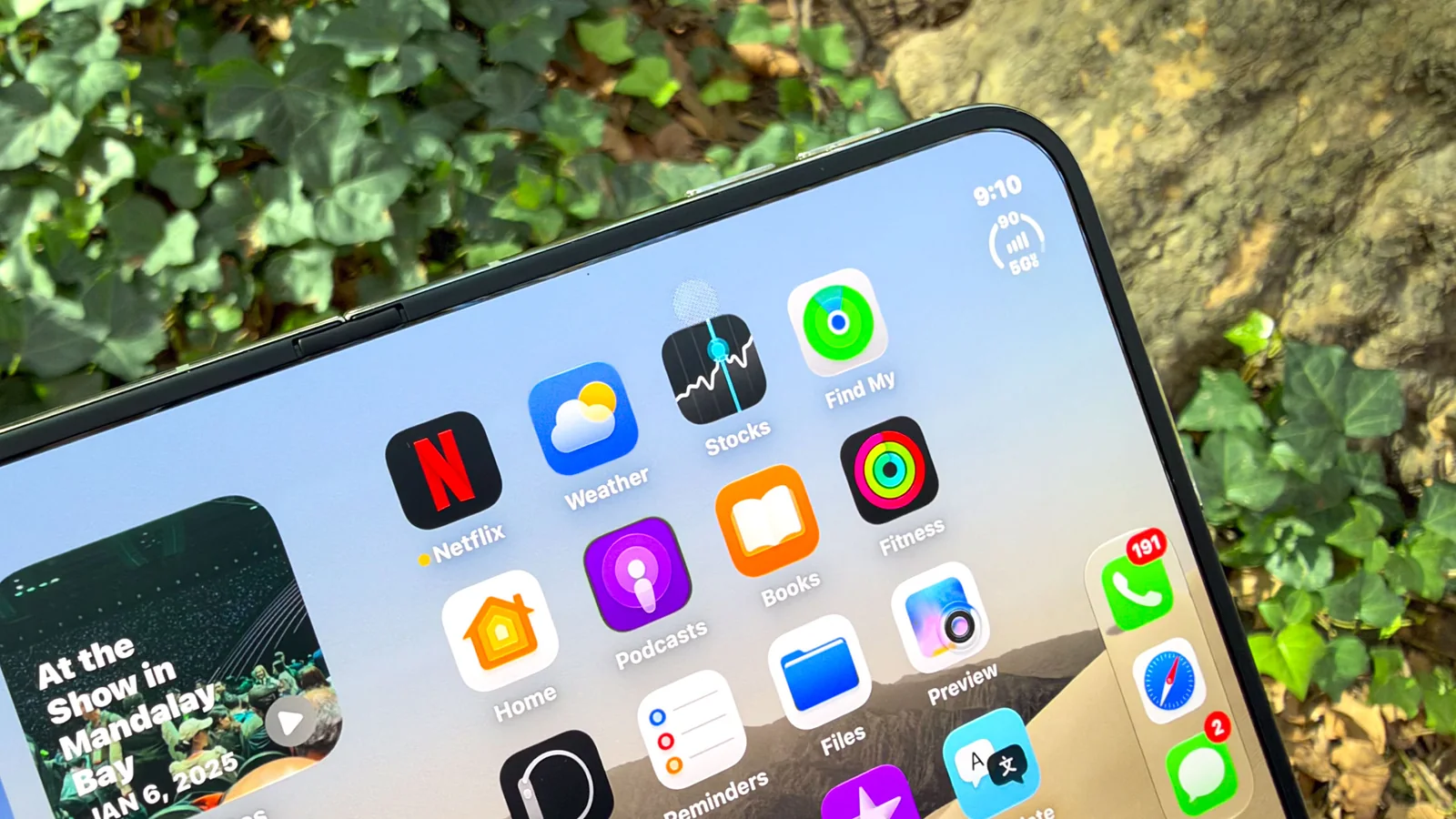
The replacement of Face ID with Touch ID was widely criticized as a downgrade. Many reviewers found this change to be quite annoying in daily use.
"Touch ID introduces lag versus Face ID when unlocking your phone. Not a lot, just enough to be annoying," noted Tom's Guide editor-in-chief Mark Spoonauer. He added, "If you own an Apple Watch, you can unlock your iPhone Duo just by swiping up, but even that’s slower than Face ID."
Ergonomics and Performance
These two aspects are often linked to the overall feel and user experience of the iPhone Duo.
Marques Brownlee described the Duo as feeling "significant and solid" but contrasted it with the Z Fold 8, which is 20% lighter. He commented, "Making everything metal, glass and heavy doesn't necessarily make it better to use. It's the permanent Apple-design default."
The iPhone Duo weighs 8.96 oz (254 grams), noticeably heavier than the Z Fold 8's 7.09 oz (201 g). While not a dealbreaker, this weight difference becomes apparent over extended use or when comparing it to lighter devices.
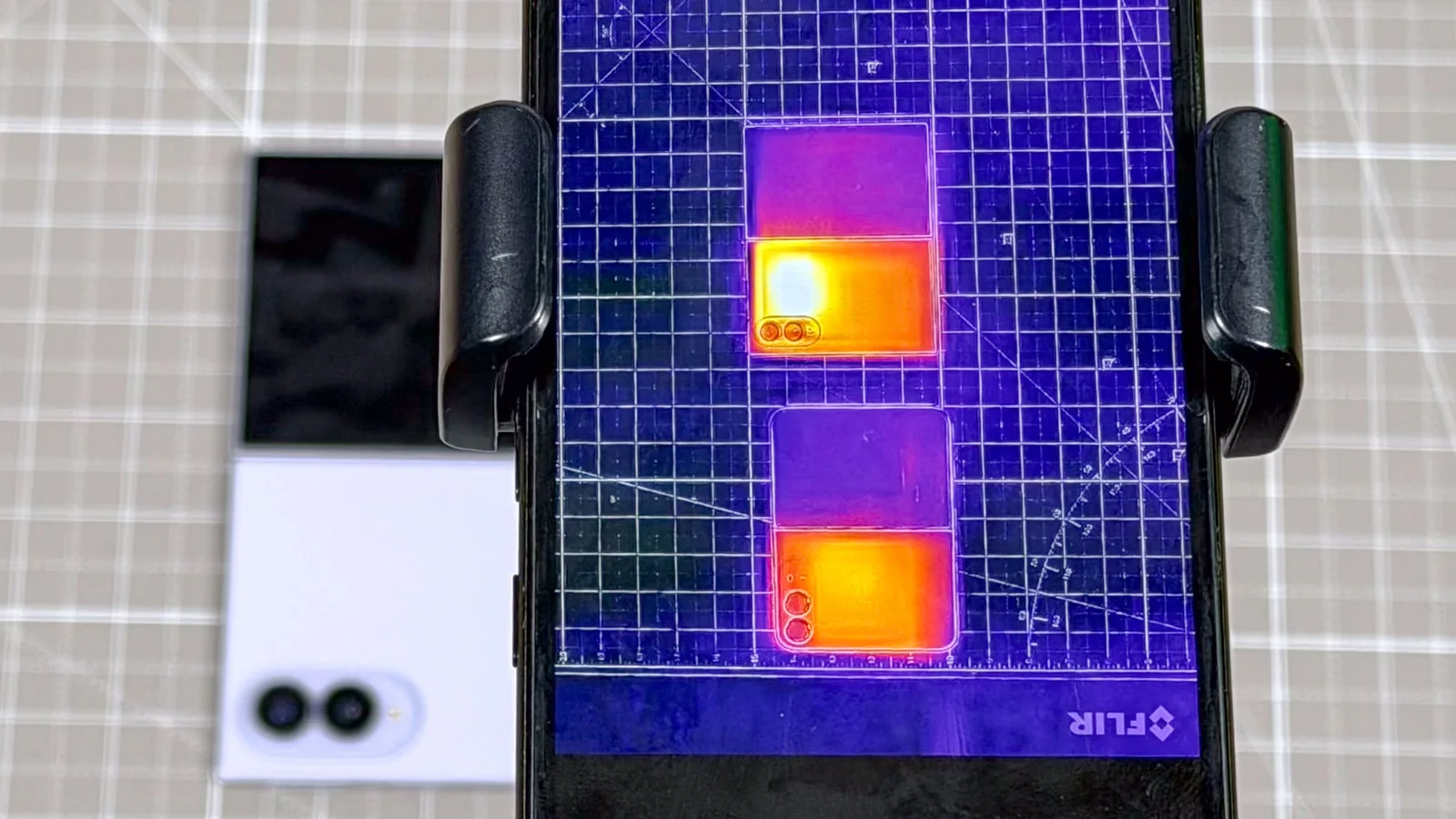
Regarding heat, the iPhone Duo was observed to be a few degrees warmer than the Z Fold 8 in testing, though Apple's design seemed to distribute the heat more effectively.
Joanna Stern reported that the back of the phone consistently became "really warm."
She stated, "I've consistently noticed the back of the Duo getting surprisingly warm when taking photos, FaceTiming, and using certain apps." In one instance, she ended a FaceTime call due to the phone feeling too hot.
Software Optimization
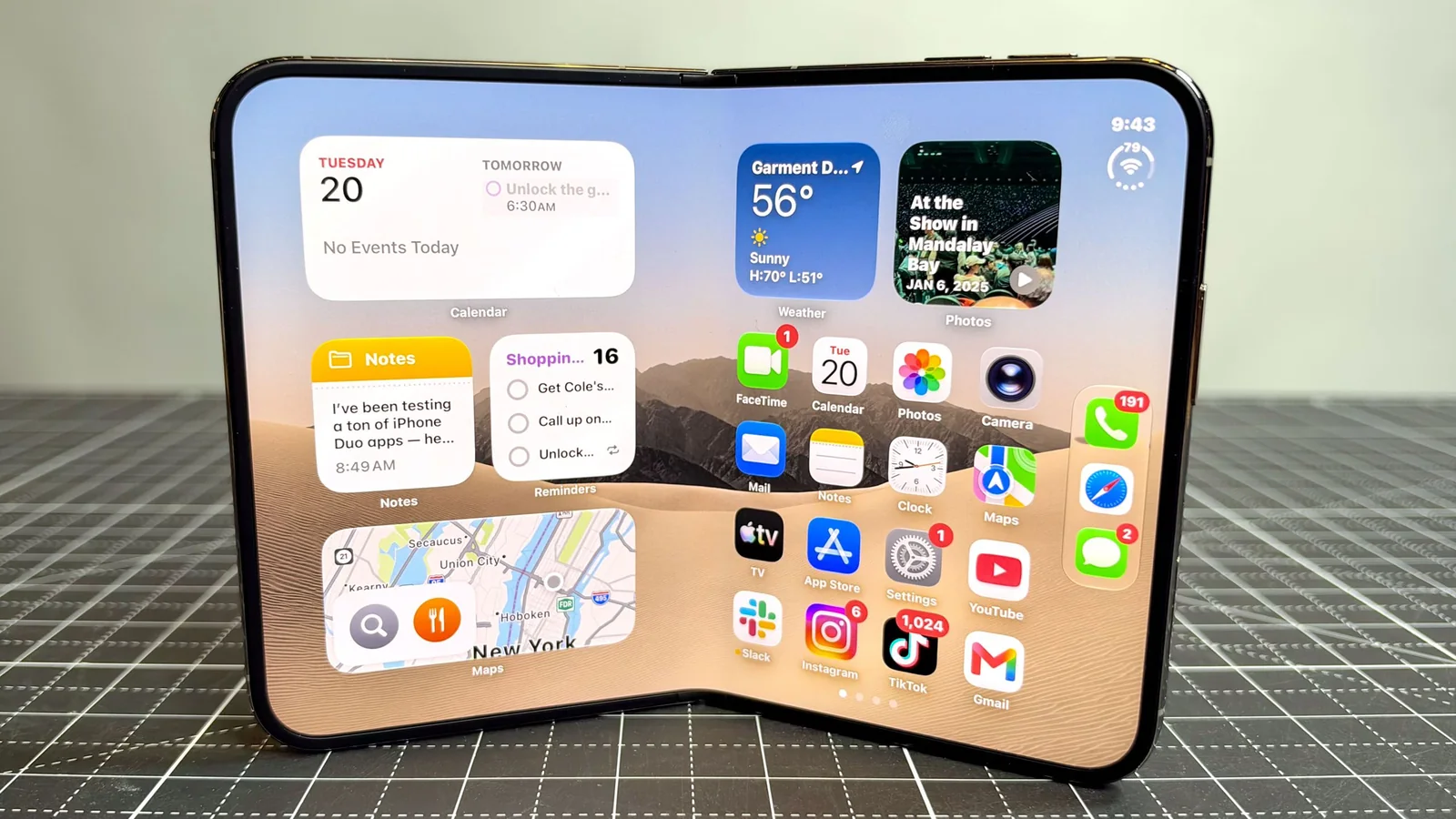
The iPhone Duo runs a customized version of iOS 27, which has some limitations, such as a locked dock on the right side of the display, making it less convenient for left-handed users.
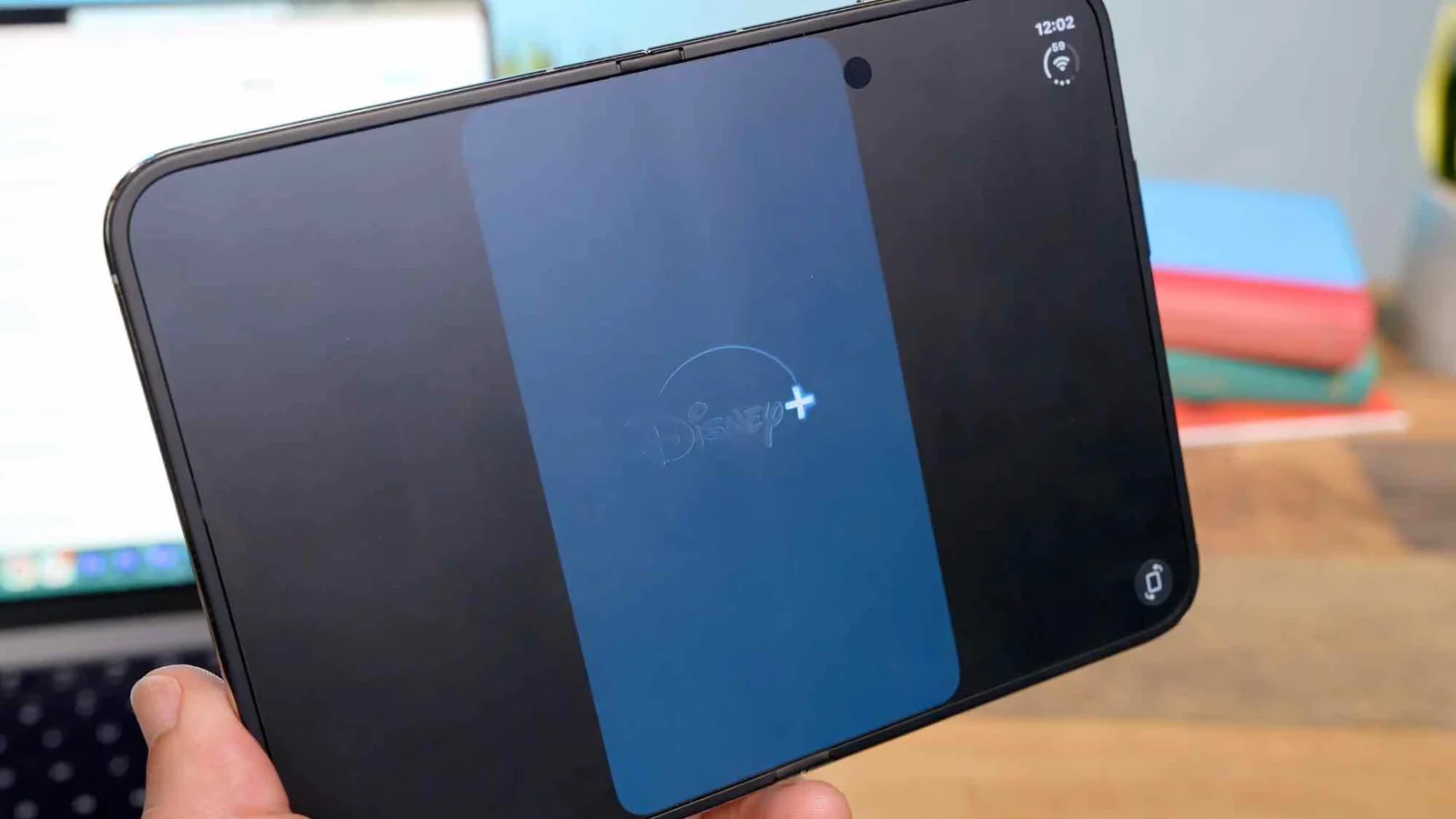
While Apple's own apps are well-optimized for the iPhone Duo and iOS 27, filling the inner display effectively, many third-party apps, including Telegram and Disney Plus, are not yet optimized for the foldable form factor.
This lack of optimization can lead to a poor visual experience, with issues ranging from large black sidebars to apps appearing slightly askew.
Engadget's Sam Rutherford highlighted this, writing, "The difference between optimized and unoptimized apps is the biggest growing pain you'll face on Apple's first foldable."
Fortunately, unlike hardware limitations, software optimization issues are more easily remedied. Developers can update their apps, and Apple has already committed to an update in the coming months to address issues like the docked controls.
Anything I missed that you think is a concern? Let me know in the comments below.