The Foldable App Dilemma
Weeks after the release date of the iPhone Duo, questions remain regarding the slow pace of third-party app optimization for Apple's first foldable device.
While the $2,000 device faces various hardware criticisms concerning durability and design, the most prominent daily frustration stems from software rather than hardware.
Certain applications have successfully adapted to the new form factor, offering multi-window layouts and specialized tablet-style interfaces.
However, a surprising number of high-profile productivity, banking, and utility applications still fail to utilize the inner screen effectively.
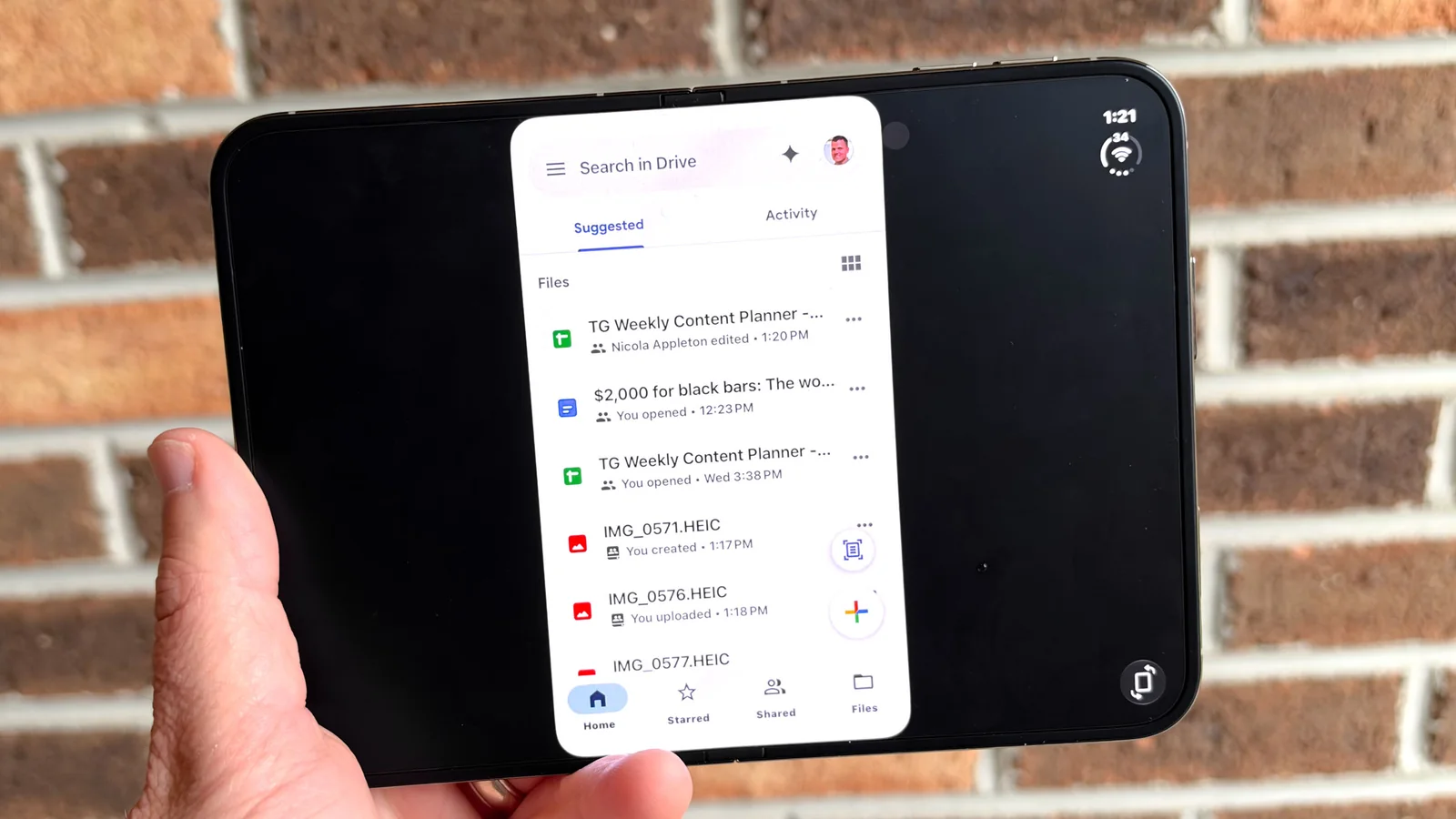
Google Drive
Using Google Drive on the 7.6-inch display reveals visually jarring black bars on the left and right sides, with manual rotation and scaling buttons offering little improvement.
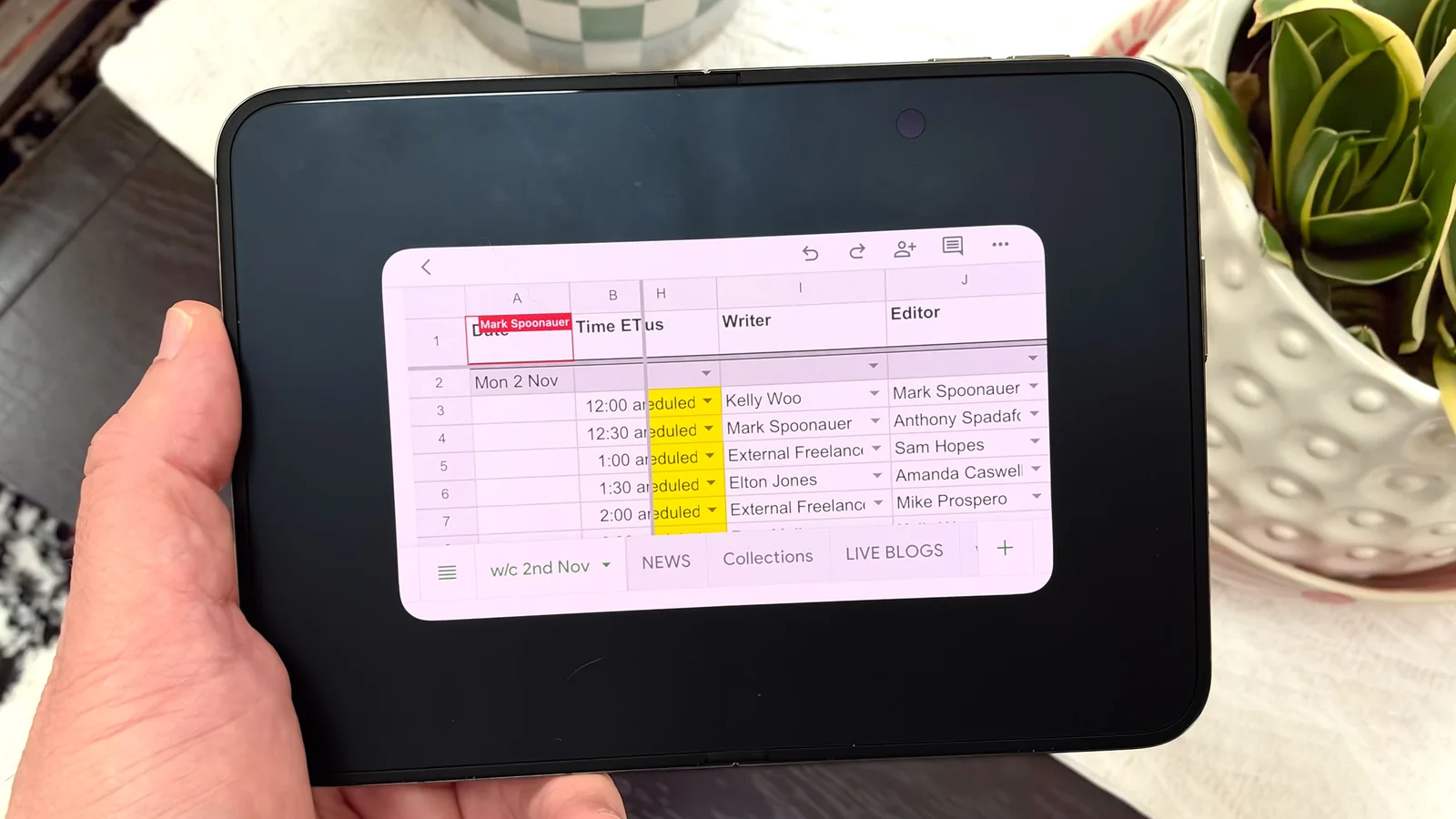
Google Sheets
Spreadsheets suffer from the same formatting limitations as Drive, requiring excessive scrolling due to a lack of proper scaling for the expanded canvas.
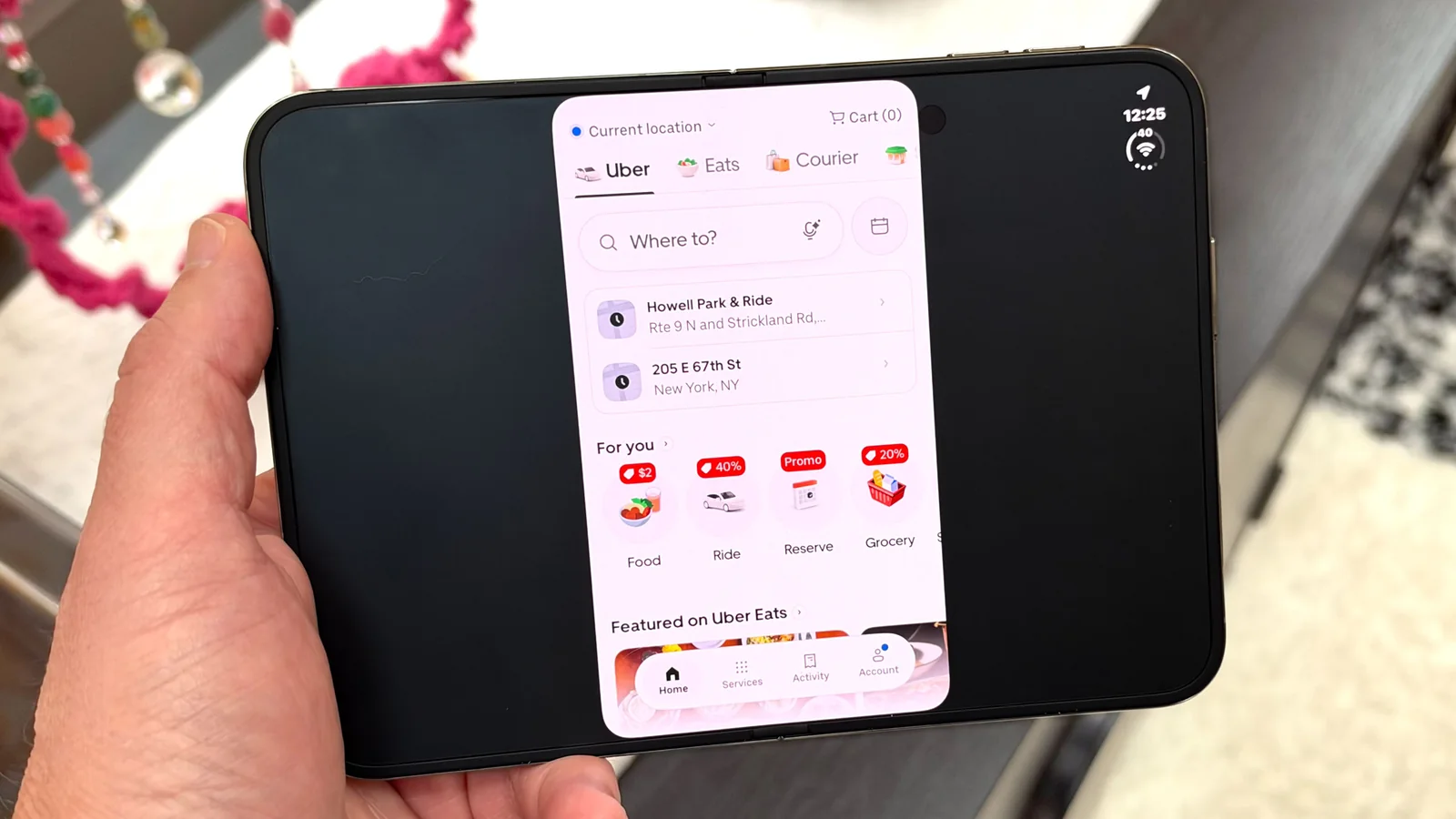
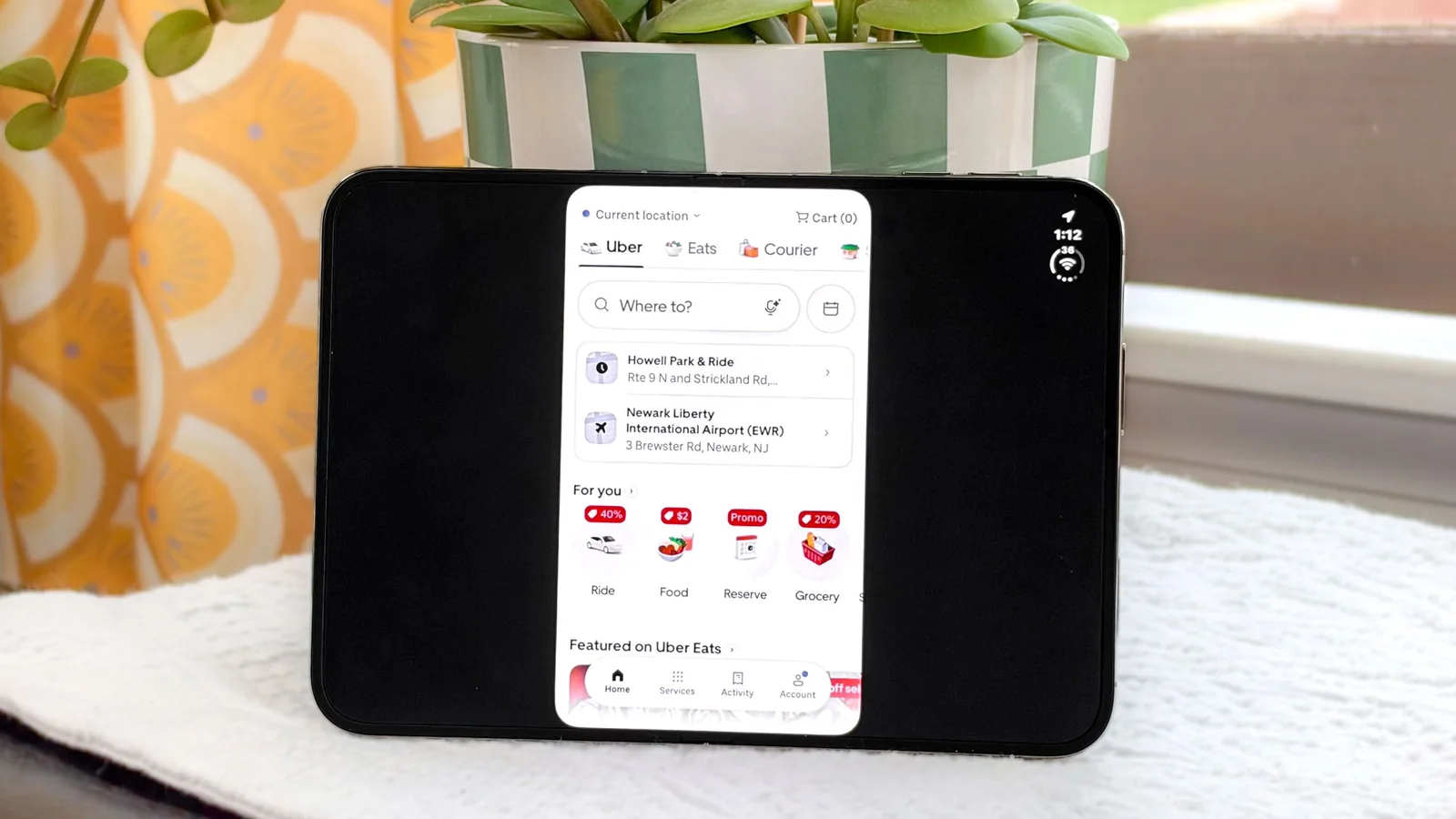
Uber
Ride-sharing applications like Uber often occupy only a fraction of the inner display, whereas competitors such as Lyft have already deployed full-screen updates.
Other professional networking tools display outdated layouts that fail to leverage the hardware, though rotation controls can slightly alter the view.
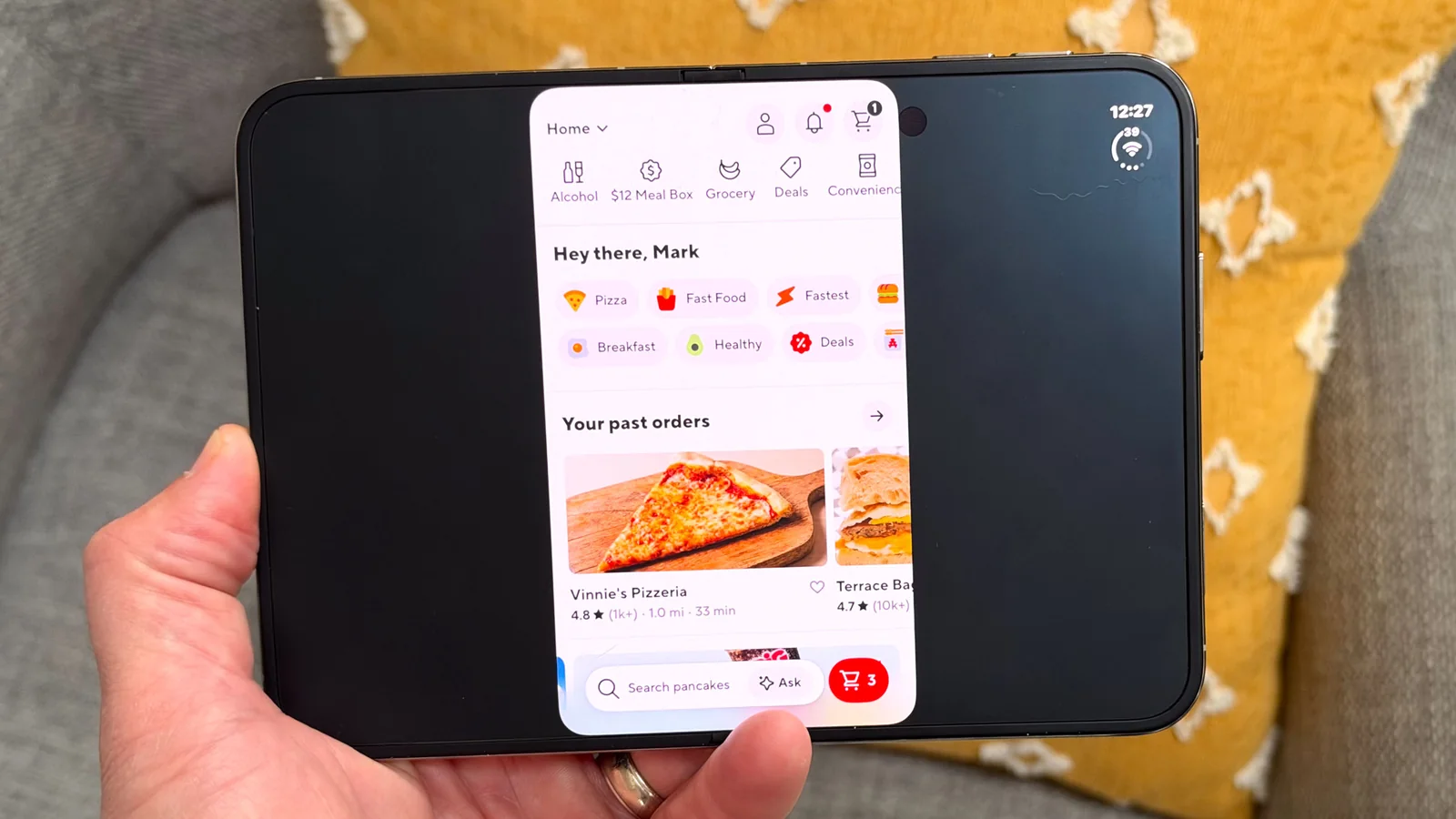
DoorDash
While food delivery services function adequately on the smaller cover display, users miss out on the potential to browse complex menus across a larger tablet-sized workspace.
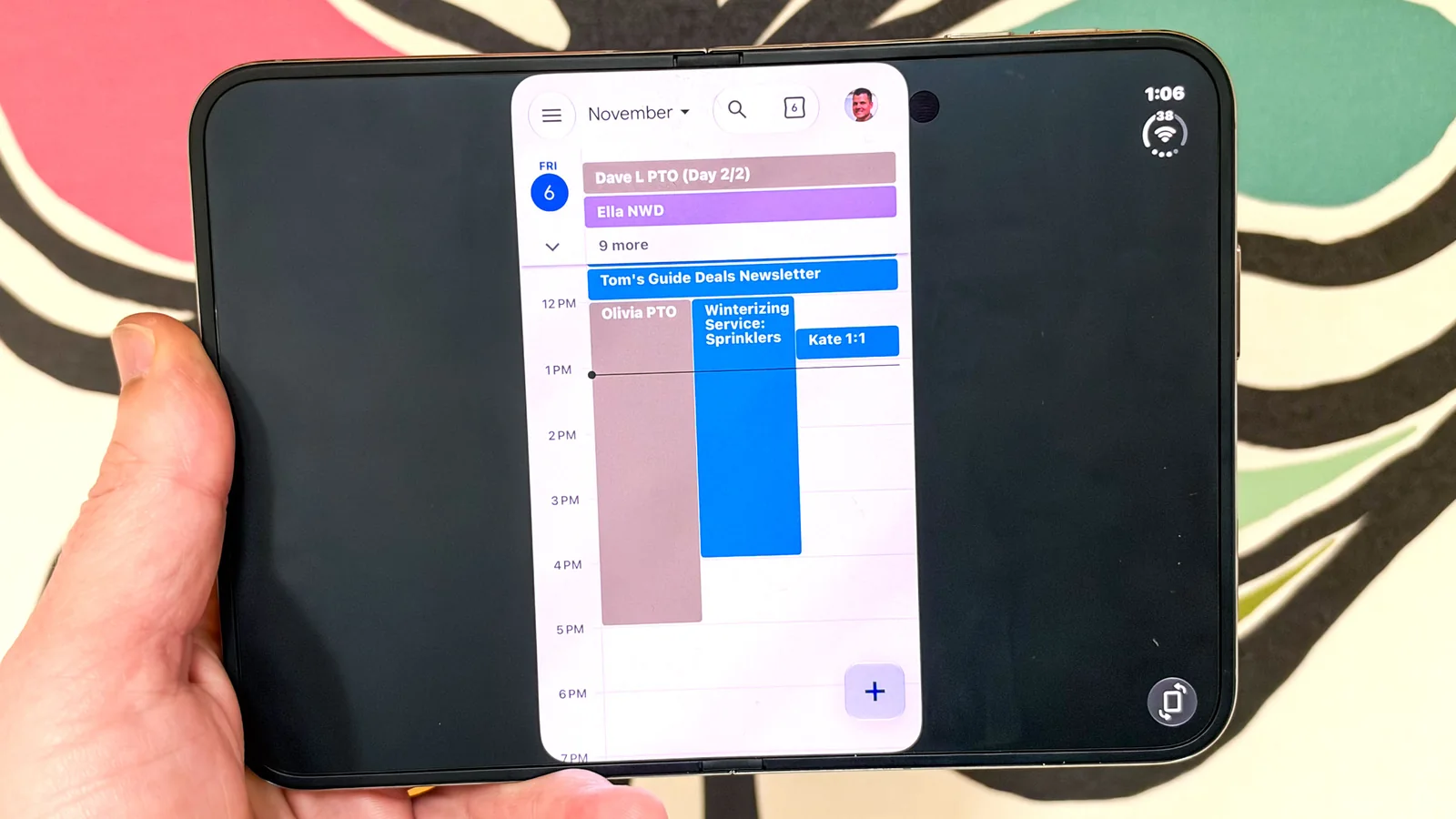
Google Calendar
Google Calendar currently lacks a dedicated wide-screen interface, prompting users to seek third-party alternatives that better support weather integration and scheduling simultaneously.
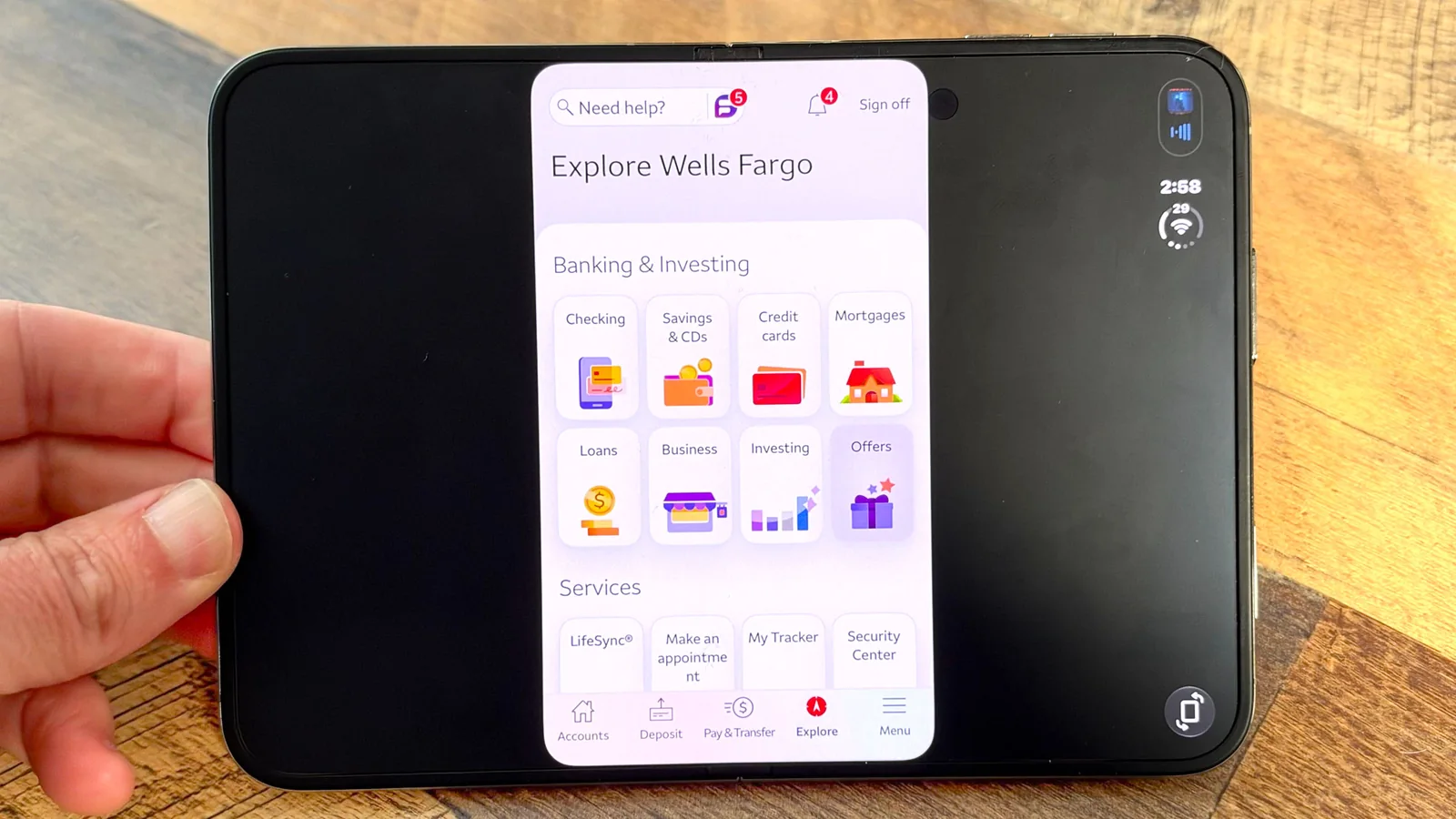
Wells Fargo
Banking applications are generally functional on the front screen for basic balance checks, but fall short when users need extra screen estate for detailed financial reviews.
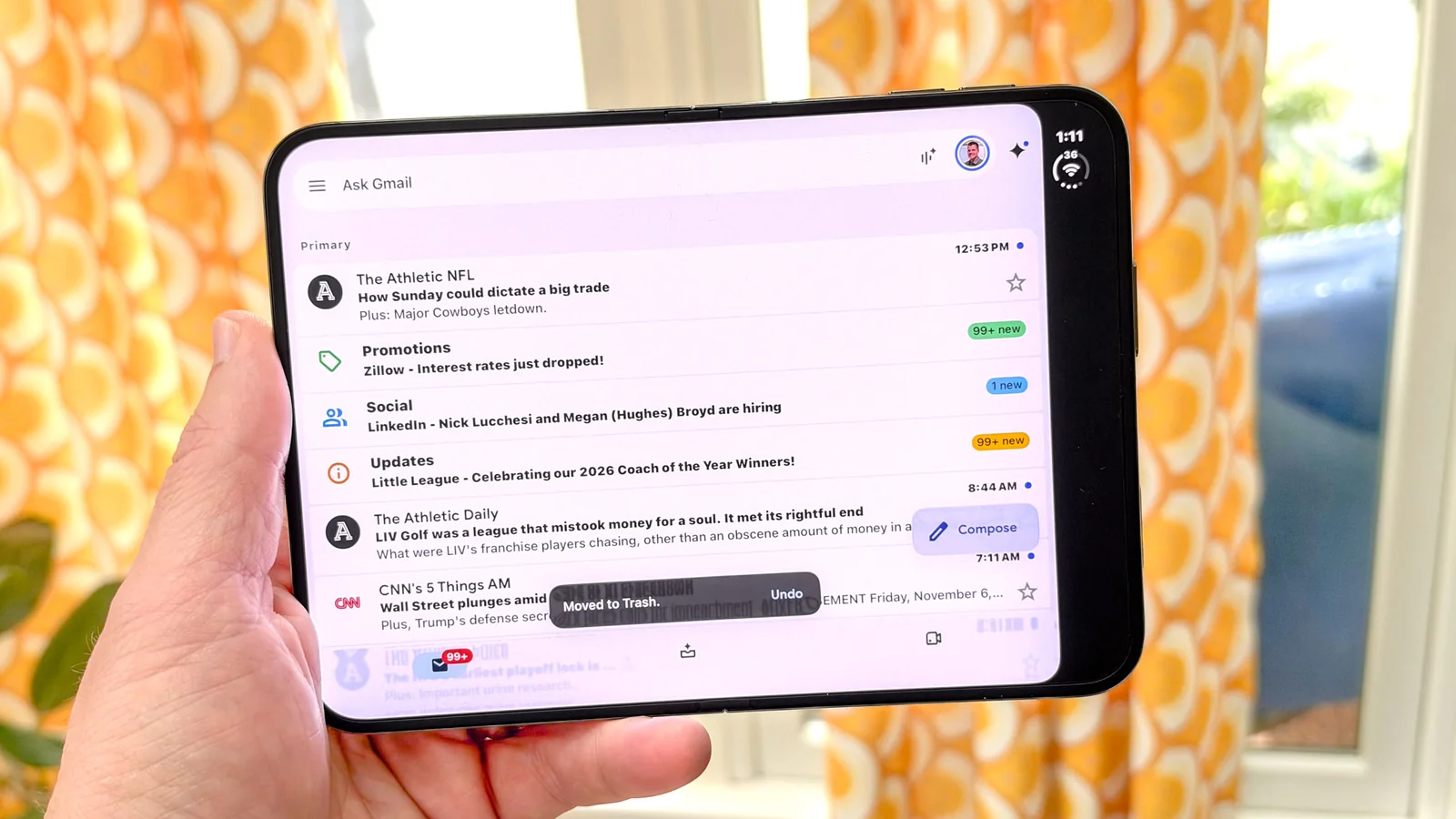
Gmail
While Gmail fills the screen vertically, it omits the expected two-column layout found on Android foldables, leaving the inbox and message view separated rather than side-by-side.
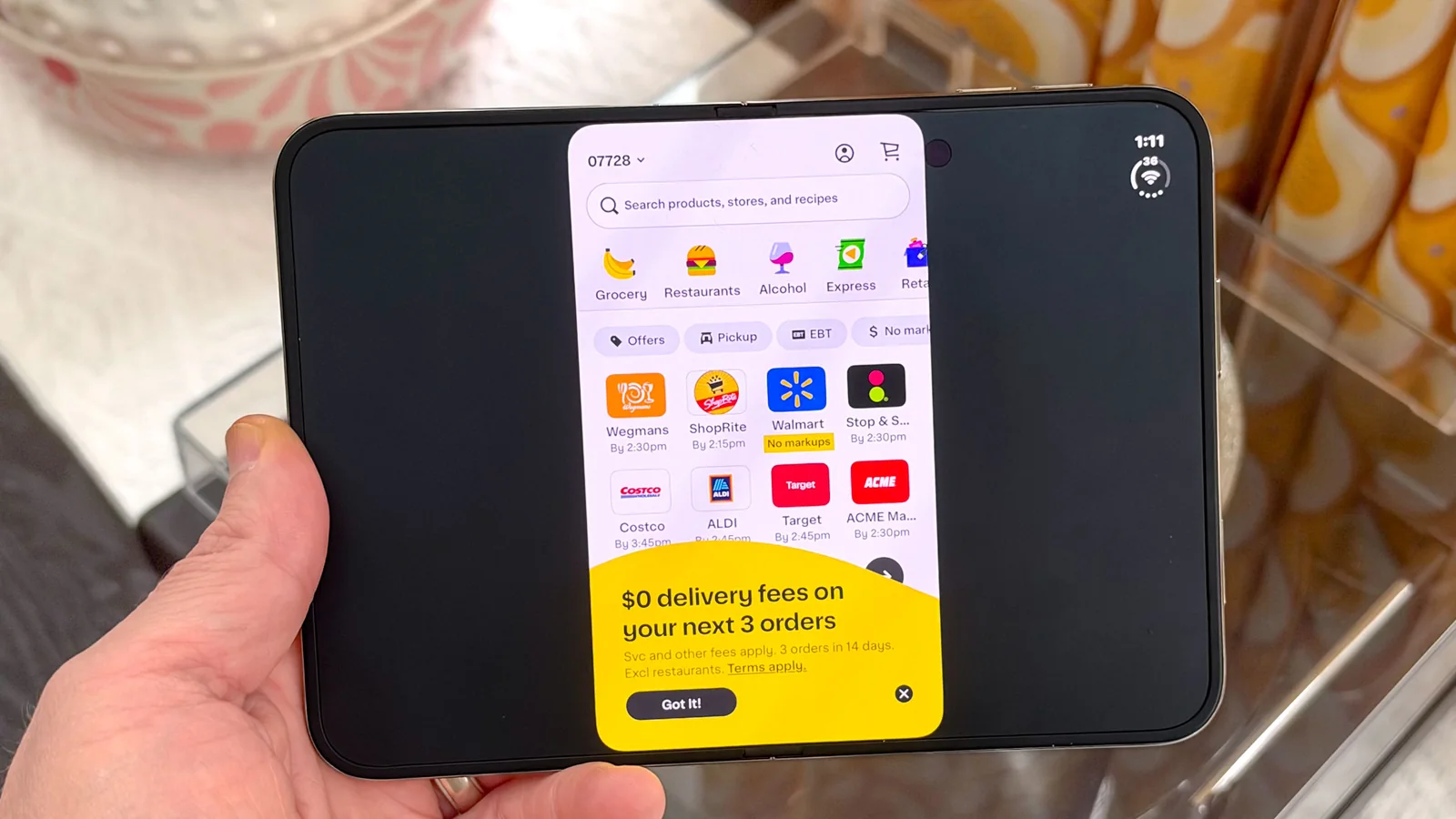
Instacart
Shopping platforms frequently resort to displaying standard phone UI elements stretched onto a larger surface, complicating browsing tasks.
Bottom line
Although a growing selection of software looks polished on the device, the sluggish adoption rate among major developers creates an ongoing hurdle for early adopters.
A chicken-and-egg scenario persists where developers wait for a larger user base before investing in optimization, while consumers hesitate until the software ecosystem catches up.