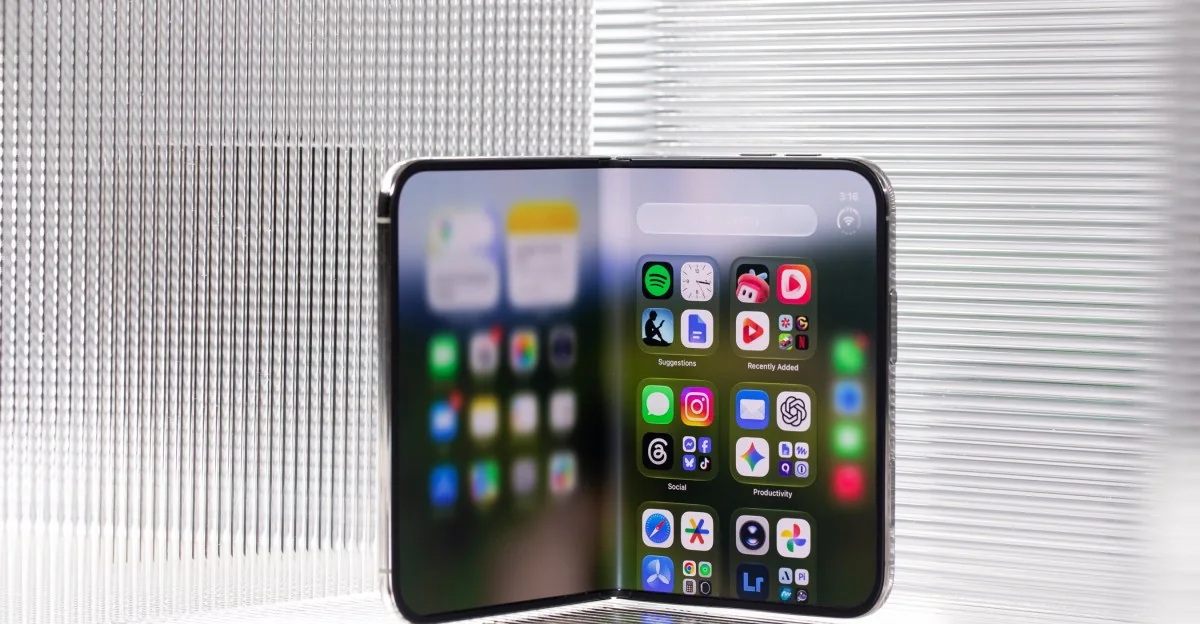
The iPhone Duo is the riskiest Apple product in years. It’s a huge rethink of what an iPhone is and could be, and it contains the seeds of many fascinating ideas that might be great in the future.
The iPhone Duo is a messy, expensive, good time
Apple’s first foldable is an early adopter special.
But that future is yet to come. The iPhone Duo is also one of Apple’s messiest first-generation products in a long time, and right now it will delight gadget nerds and early adopters and likely frustrate everyone else.
It’s been a minute since the iPhone has looked or worked significantly differently. The last major change was the iPhone X, which dropped the home button almost a decade ago, and even that was a fairly subtle improvement.
You can’t play it safe designing a foldable. You have to make some big decisions about screen sizes and what the inner and outer displays are for, and then make an even bigger set of decisions about how that big inner screen should work.
Hardware and Design
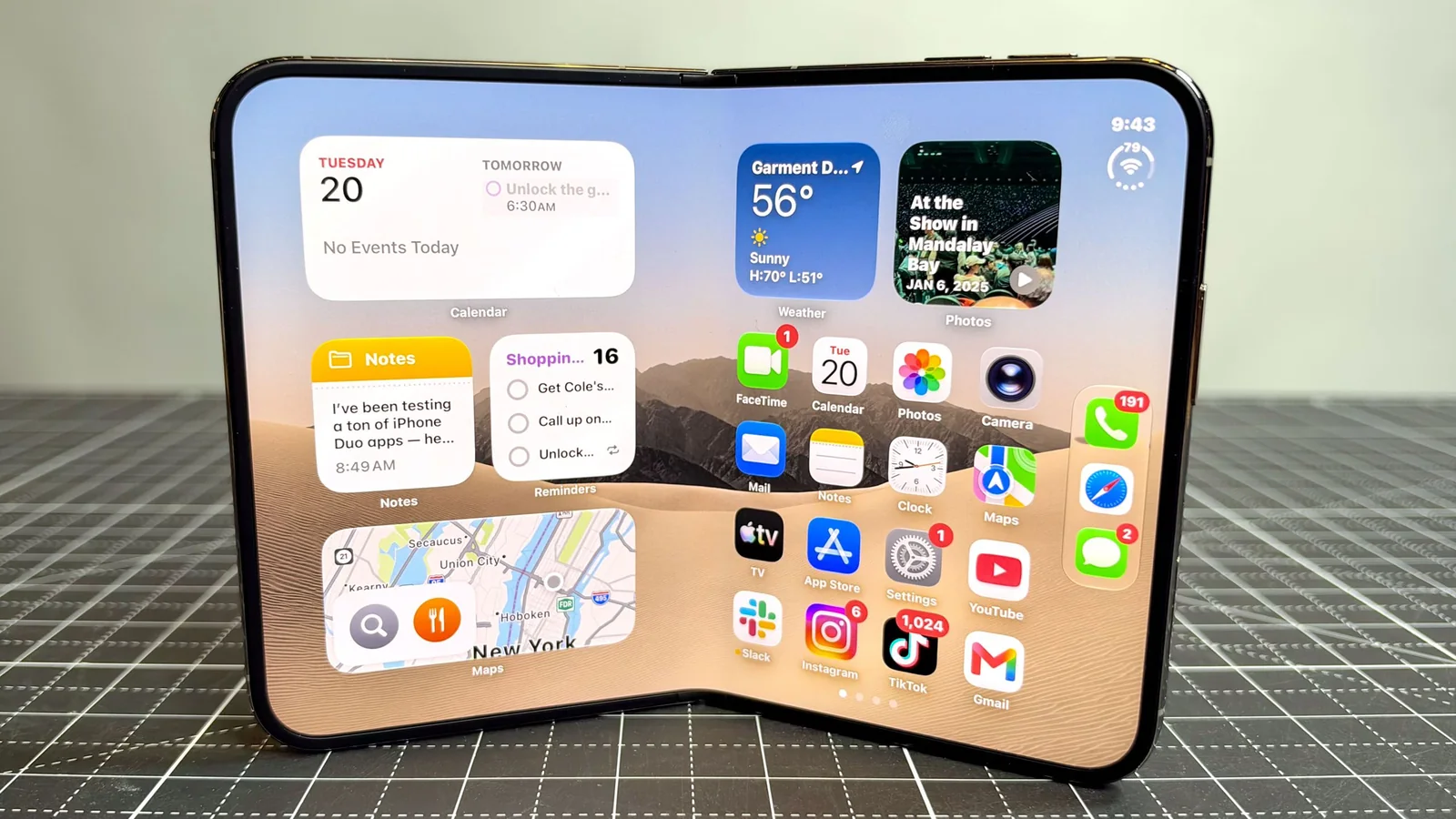
Apple’s single most important design decision for the Duo was to make it shaped like a passport.
The wide aspect ratio makes the inner screen friendlier for 16:9 YouTube videos, but it also marks a departure from the taller foldable design phone makers have embraced over the past five years.
The Duo’s 5.4-inch outer display is glossy, while the 7.6-inch inner display has a striking nano-texture matte coating. It looks and feels incredibly solid, a big step up from foldables with glossy, seemingly soft screens.
The matte display helps hide the crease, which Apple calls perceptually flat. You mostly can’t see the display crease, although you can definitely feel it.
The under-display camera reflects light in a more glossy way if you’re outdoors, but overall, the camera and display crease stop being noticeable after a while.
Everything about the Duo gently nudges you to flip it open and use it in tablet mode. Because iPhone apps are largely portrait-oriented, the device forces you to reorient your expectations.
iPhones have gotten bigger over the years, but they’ve mostly stuck to basic rectangular aspect ratios. The Duo changes all of that as the first iPhone that has gotten shorter and wider.
It is unusual to encounter iPhone apps with controls arranged in completely different areas across the interface.
Both the inner and outer displays feature a 1.4:1 aspect ratio. In practice, this means the outer display is quite small compared to modern Max-sized phones.
Apple tries to reclaim space by moving UI elements to the right on updated apps, but this can make one-handed use challenging depending on the user's hand dominance.
Reaching for navigation elements like the back button in Mail can feel disorienting because they have shifted positions.
Unoptimized apps display a black bar along the right side of the cover screen. Even updated applications can feel constrained compared to standard modern displays.
Consequently, users will frequently find themselves unfolding the device to utilize the vastly larger inner display.
Switching from a tiny portrait display to a landscape view requires users to adapt, as standard phone apps are built around vertical orientations.
Users will instinctively rotate the phone to position the cameras on top, which quickly becomes second nature.
Volume button orientation can feel counterintuitive initially when flipping the device, though iOS includes buried settings to adjust button behavior.
Unlocking relies entirely on Touch ID integrated into the side wake button, with no Face ID included.
The Duo introduces a gadget nerd thrill through its inherent complexity, though its first-generation chaos will appeal mostly to early adopters.
Software and Multitasking
First-generation wonkiness is most apparent in the software, particularly in third-party app support and the distinct lack of direct iPad UI inheritance.
Some familiar conveniences, such as pinching the keyboard to make it smaller for one-handed use, are absent on the Duo.
Multitasking requires pinning apps to opposite sides of the screen in landscape mode, creating dedicated app pairs that can be saved in the app switcher.
While powerful once mastered, the interface offers few visual cues about these advanced multitasking workflows.
Applications generally fall into three distinct operational categories on the device.
The first category consists of unoptimized standard iPhone apps that can be zoomed or rotated but appear awkward.
The second category comprises apps updated for iOS 27 featuring automatic layout expansions with noticeable rough edges.
Apps that aren’t updated to iOS 27 will open on the inner screen without resizing.
Fully optimized Duo apps built for iOS 27.1 offer seamless experiences, such as specialized video editors and productivity tools.
Third-party developers will require strong incentives to fully utilize the unique aspect ratio.
The overall app ecosystem on the inner display remains somewhat messy as developers transition.
Performance and Battery Life
The Duo competes directly with folding devices like the Galaxy Z Fold 8, featuring a wider body and different ergonomic weight distribution.
Apple enforces a narrow vertical aspect ratio for cover screen apps, whereas competitors allow content to span the full screen width.
Posture-based usage modes allow the phone to function as a bedside clock or mini laptop when partially folded.
The device features an IP68 dust and water resistance rating, providing strong durability reassurance.
Apple’s ecosystem integration remains a major strength for users deeply embedded in the walled garden.
Camera Capabilities
Battery life varies significantly based on usage habits and how frequently the inner screen is utilized throughout the day.
Source reviews observed screen-on times reaching roughly 6.5 hours under mixed media consumption workflows.
Powered by the A20 Pro chip and a vapor chamber thermal system, the device can grow warm or hot when running demanding video and third-party apps.
Intensive dual-screen camera features can also generate notable heat and occasional system lag.
Thermal management and heavy-use battery longevity represent notable compromises for a premium device.
Conclusion
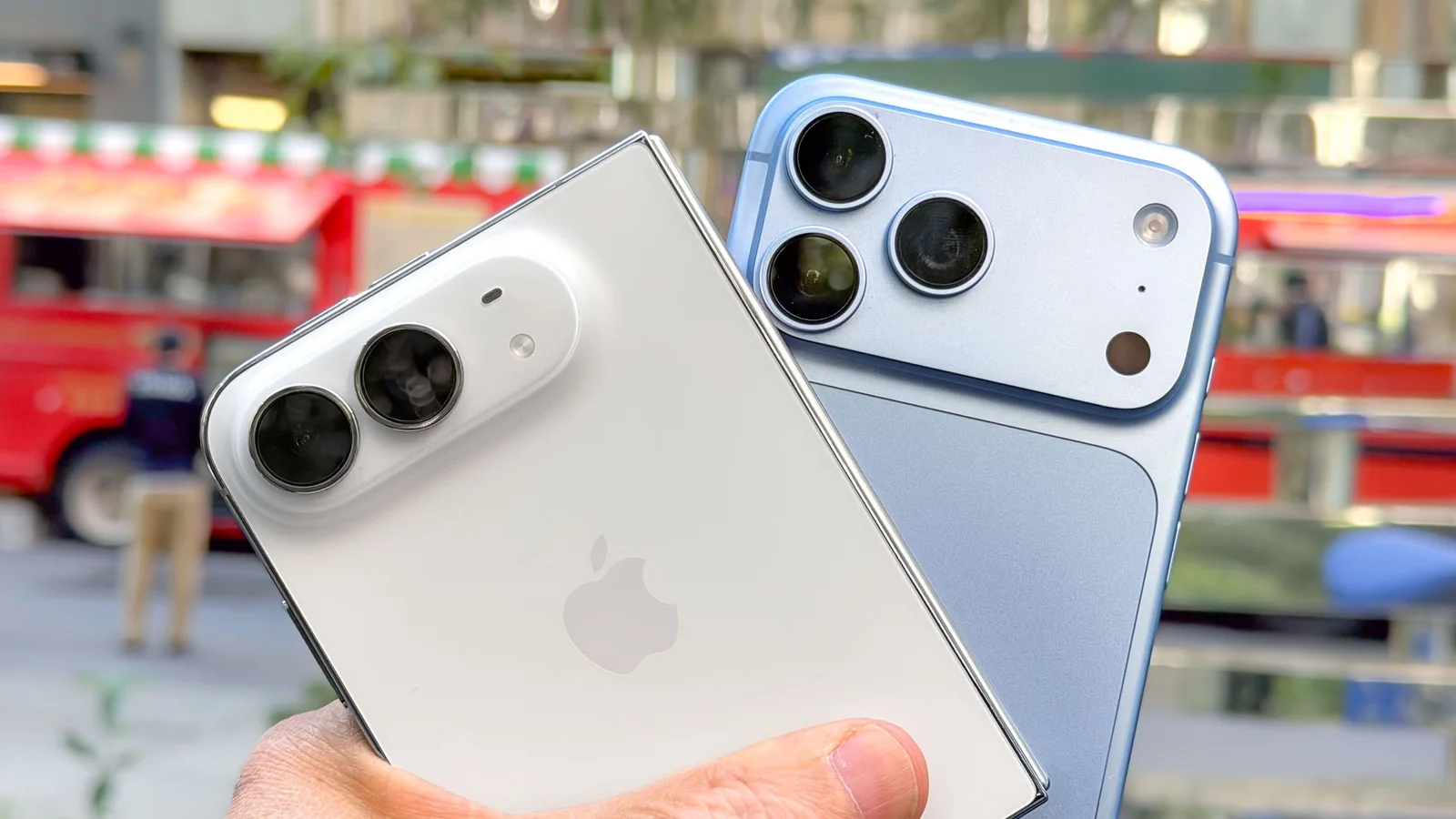
The camera system relies on a smaller sensor comparable to the iPhone Air rather than flagship Pro hardware, depending heavily on sharpening algorithms.
Certain manual controls and dedicated telephoto lenses are absent, offering a 2x crop zoom and up to 10x digital zoom.
Front and under-display selfie cameras provide serviceable quality for video calls despite lower resolutions.
The foldable form factor allows users to leverage the superior main camera for high-quality selfies using the outer screen preview.
Software features like Kid Cue utilize front-screen animations to capture children's attention effectively.
Creative camera modes like time-lapse and Smart Take add entertaining utility to the folding posture.
Video recording supports up to 4K/120 alongside modern Photographic Style texture controls.
While acceptable for daily use, the camera suite falls short of the absolute best iPhone hardware available.
MagSafe compatibility enhances everyday usability, allowing for creative mounting options.
The device doubles as a miniature laptop or media viewer when configured in tent mode.