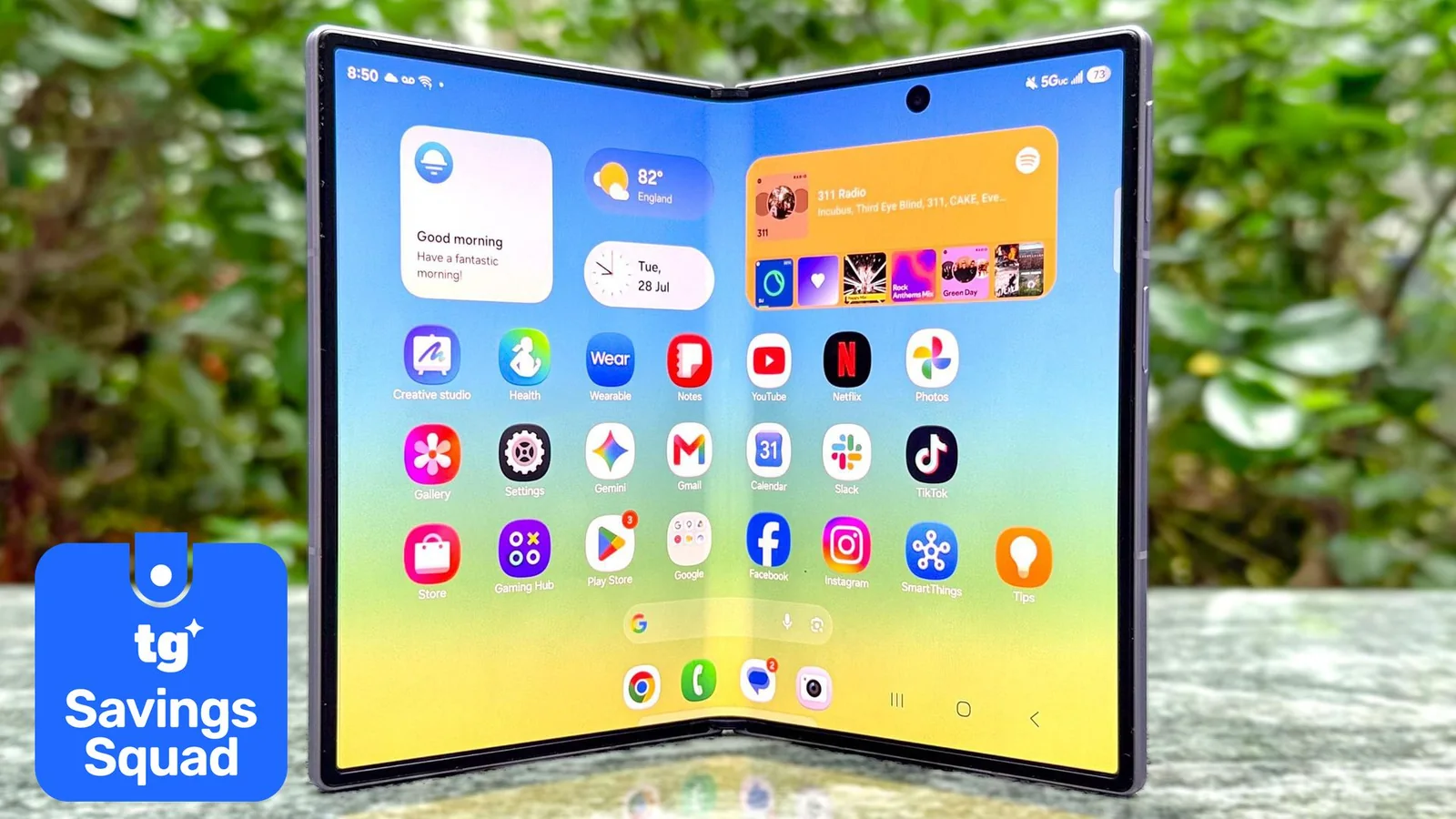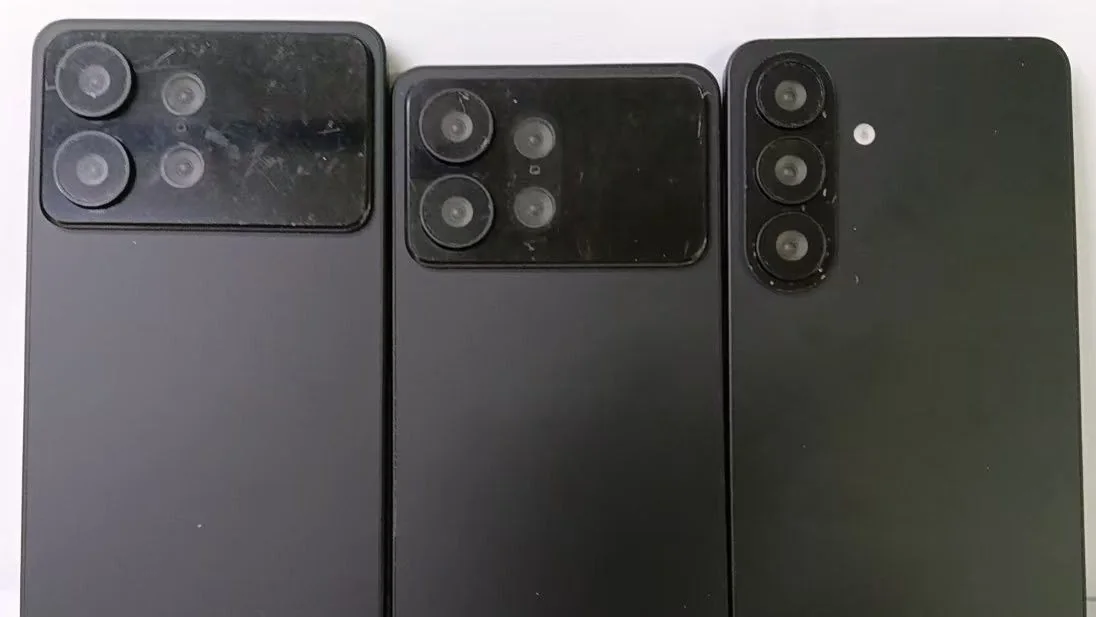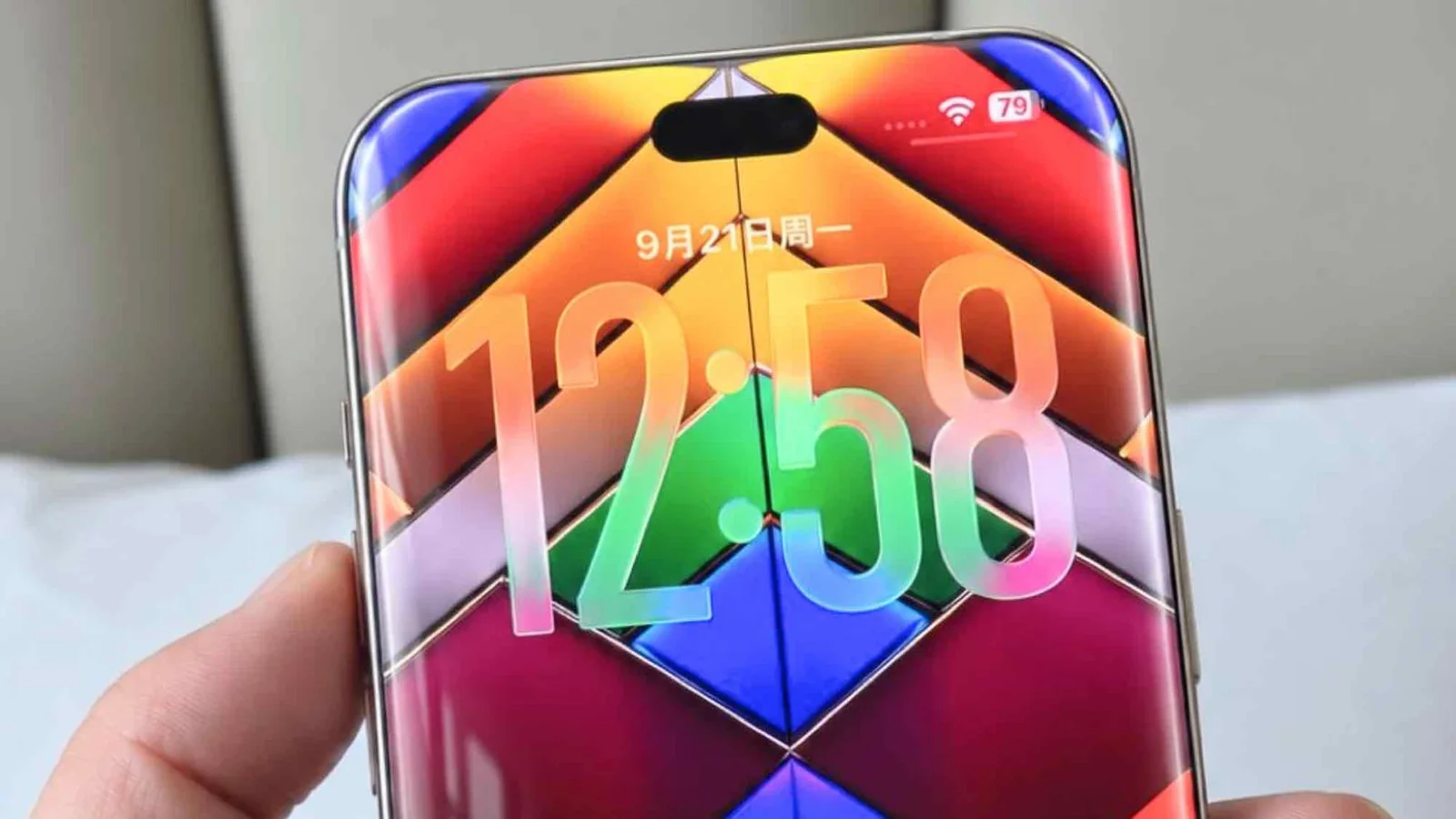
The iPhone Duo is easily the most impressive device Apple has made thus far, introducing a whole new form factor and capabilities missing from traditional iPhones.
With 2027 marking the 20th anniversary of the original iPhone, rumors suggest Apple will celebrate the milestone with an all-new curved glass design dubbed the iPhone 20.
Beyond a fresh exterior, the next flagship should adopt several innovations from the iPhone Duo while leaving other experimental foldable elements behind.
The titanium design
While an all-glass design is rumored for the iPhone 20, standard aluminum frames currently lack premium durability. If the glass concept faces manufacturing hurdles, bringing back a robust titanium material would maintain an ideal strength-to-weight balance.
Glass is complex to work with for intricate body shapes, meaning fallback premium metal options remain essential.
Anodized aluminum shells currently fall short of top-tier expectations.
Stylus support
Stylus support on the iPhone Duo proves such accessories aren't strictly for iPads. Though the iPhone 20 offers less screen estate than a 7.6-inch foldable display, optional Apple Pencil support would enhance precision for drawing and note-taking.
This capability adds versatility for users wanting fine control without forcing retro plastic tips on modern glass displays.
Touch ID
The iPhone Duo demonstrates that Apple can successfully integrate power-button Touch ID, offering a discreet secondary biometric authentication option away from the front screen.
Providing both Face ID and Touch ID gives users a choice depending on their personal security preferences.
Ultimately, biometric convenience must still be backed by a strong device passcode.
Split-Screen Multitasking
Split-screen multitasking arrived on iPhones with the Duo and represents a long-overdue addition for standard slab phones.
Running two apps side-by-side saves users from constant app switching and prevents awkward reloading sequences.
A hole punch camera
The hole punch camera debuted on the iPhone Duo after years of large notches and Dynamic Islands, marking a potential shift for future models.
As sensor hardware shrinks, the iPhone 20 presents an ideal opportunity to move remaining Face ID components beneath the display.
If Apple can conceal a camera under the Duo screen, housing the rest of the sensor suite out of sight is entirely feasible.
Under display cameras
While early rumors pointed to an uninterrupted display using under-display tech, Apple currently positions the Duo's under-display shooter strictly as a FaceTime camera due to reduced image quality.
Passing light through low pixel density areas introduces optical obstacles that diminish overall photo fidelity.
Foldables can absorb this compromise because they include alternative exterior selfie lenses, whereas a slab phone like the iPhone 20 would suffer on selfie quality.
The wider design
Shorter and wider screens have gained traction across foldable devices anticipating future folding form factors, optimizing media consumption.
However, extending this wider format to non-folding phones remains an unproven shift that Apple should bypass.
Apple avoids trend-chasing, and overhauling core dimensions for traditional slab phones is unnecessary.
Nanotexture display
Nanotexture coatings reduce glare and crease visibility on foldables, but they also wash out colors and lower visual vividness.
Without a folding crease to mask, standard anti-glare treatments suffice for slab phones, making nanotexture drawbacks outweigh their benefits.