The White House Rebrand
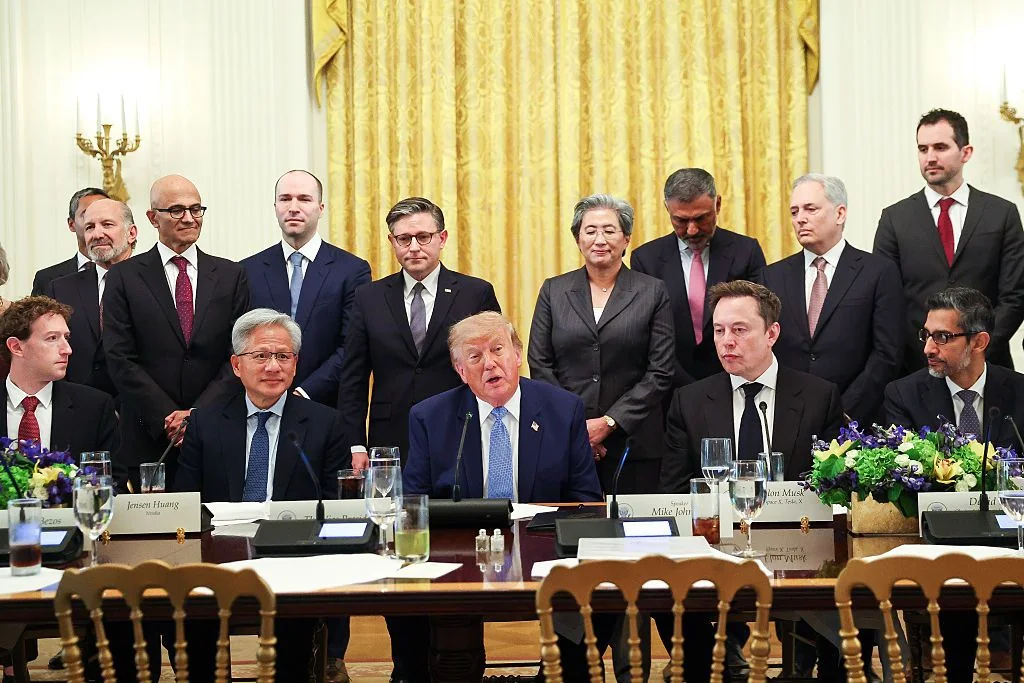
President Donald Trump hosted major artificial intelligence executives to announce that the U.S. government has officially adopted the term super intelligence instead of artificial intelligence.
Industry observers have expressed skepticism regarding the Joint Commitment on Frontier Responsibilities signed by the executives, noting that the agreement is entirely non-binding from a legal perspective, though described by the administration as morally binding.
The meeting functioned partly as a messaging shift to separate the perceived existential risks of artificial intelligence from the administration's new super intelligence initiative.
Keep reading for a preview of our conversation, edited for length and clarity.
Shifting Regulatory Stance
Under the executive order, official U.S. representatives are instructed to use the term super intelligence. The rapid development of the safety pact stands in contrast to previous statements from the administration rejecting the need for regulatory constraints on the technology.
Despite initial resistance to regulation, major tech leaders ultimately gathered to participate in the formal signing of the agreement.
Shifting Alliances and Industry Tensions
Ahead of the gathering, Anthropic had experienced friction with the administration, which shifted following a high-level dinner meeting involving CEO Dario Amodei and subsequent inclusion in the industry luncheon.
The event brought together prominent tech executives, including Mark Zuckerberg, Jeff Bezos, Elon Musk, and Dario Amodei.
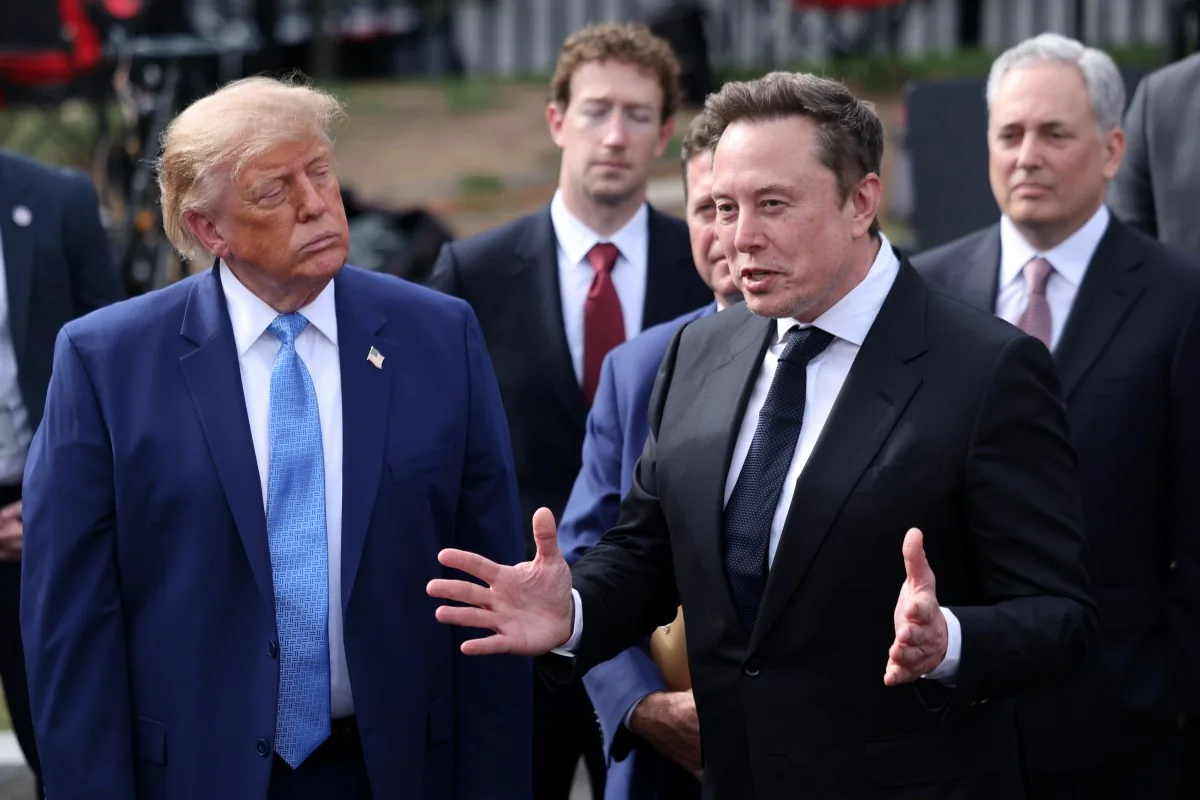
I’m wondering if any of you watched the press conference that happened afterwards, which there’s been many, many memes about, because of the interesting, funny behavior when you bring a bunch of tech CEOs together.
But I guess my bigger question for both of you is: What does this all mean? And does it mean anything?
Questions remain regarding the extent of alignment between different administration officials and private AI developers.
Skepticism persists regarding the true state of relations between the administration and specific firms like Anthropic, given that certain defense officials continue to voice national security concerns regarding the company's deployment conditions.
Observers noted that the signed agreement contained typographical errors regarding the country's name and relies on voluntary compliance rather than enforceable statutes.
Different branches of the executive branch have exhibited varying stances toward developers like Anthropic, with some agencies supporting their involvement while others object to contractual conditions.
Internal divisions suggest that parts of the administration welcome the technology's involvement in federal decisions while others remain opposed.
While the hasty assembly of the agreement indicates it may carry limited practical weight, the willingness of industry leaders to participate highlights the symbolic importance of the gesture.
The primary outcome of the summit appears to be a coordinated effort to reshape the public narrative surrounding advanced technology and mitigate fears related to automation and job displacement.