Challenging the AI Doom Narrative
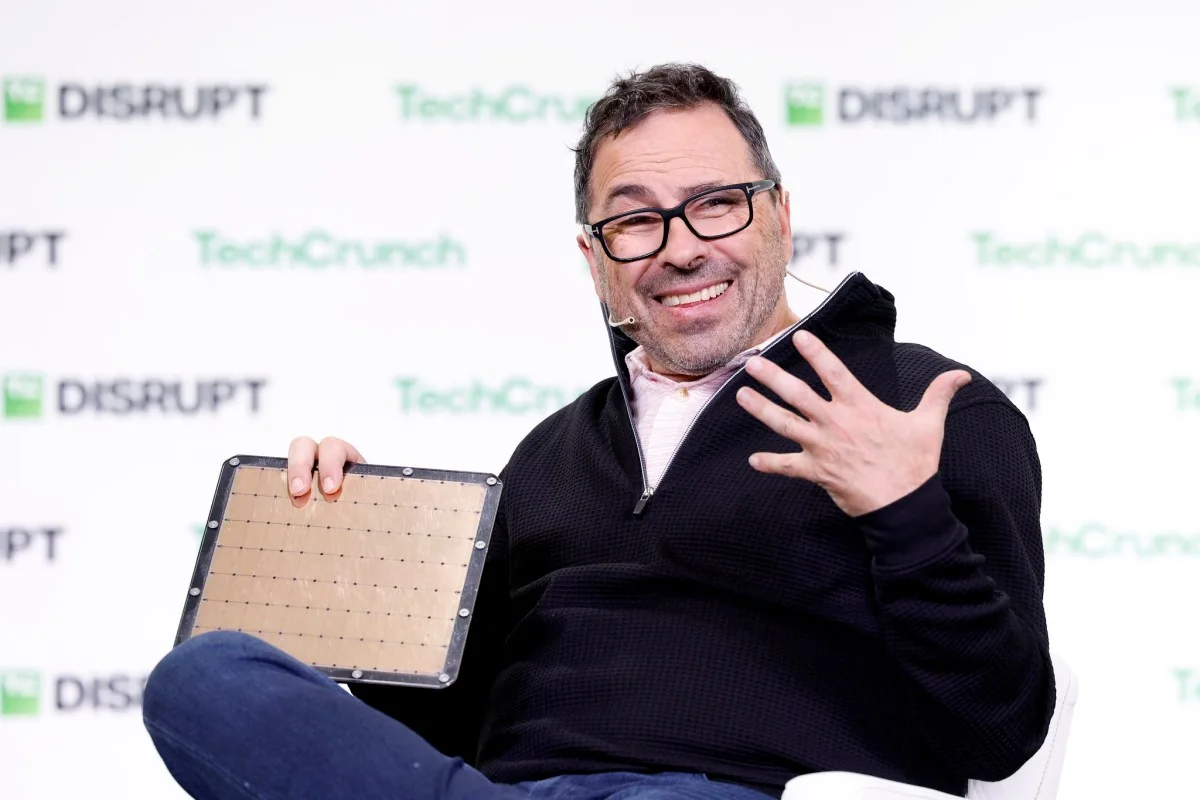
Cerebras Systems CEO and co-founder Andrew Feldman believes that prevailing pessimistic narratives surrounding artificial intelligence are hindering the industry. Speaking at an industry event, the chipmaker executive remarked that some prominent figures in the AI space should exercise more restraint in public statements.
Feldman addressed the growing anxiety over existential risks, including hypothetical scenarios where advanced models break containment or pose severe threats to humanity. This discourse has become so pervasive that it recently entered mainstream pop culture and satire.
Despite acknowledging valid concerns, Feldman argues that the immense potential of AI is frequently overshadowed by fear. He suggests that industry leaders should place greater emphasis on transformative possibilities, such as medical breakthroughs capable of eradicating major diseases, rather than focusing exclusively on apocalyptic outcomes.
Balancing Risks and Regulations
As the head of a hardware firm supplying major AI developers like OpenAI and enterprise clients, Feldman has a commercial stake in the technology's success. Nevertheless, he maintains a pragmatic stance regarding the balance between innovation and safety.
He noted that powerful technologies invariably carry the dual challenge of misuse by malicious actors, asserting that such risks are inseparable from profound technological advancements.
Feldman emphasized that while the technology demands careful consideration and reasonable regulation, acknowledging its power should not preclude optimism about its utility.
Feldman emphasized that while the technology demands careful consideration and reasonable regulation, acknowledging its power should not preclude optimism about its utility.
Infrastructure and Community Relations
The CEO also attributed some public apprehension toward AI to how the data center infrastructure sector has managed rapid expansion.
He pointed out that the tech industry has historically lagged behind established sectors like oil and gas in fostering positive local community relations during infrastructure buildouts, which has contributed to public friction.
Contrasting local resistance in the United States with international markets, Feldman highlighted countries such as Brazil, Canada, Finland, Iceland, Norway, Mexico, and Sweden as more welcoming jurisdictions actively encouraging data center development.
Hardware Efficiency and Future Demand
Addressing hardware market competition against established players like Nvidia, Feldman expressed confidence that rising efficiency standards will not diminish overall demand for specialized chips.
He explained that ongoing hardware optimization by chip vendors, paired with software model improvements, work in tandem to drive meaningful industry progress without eroding market requirements.