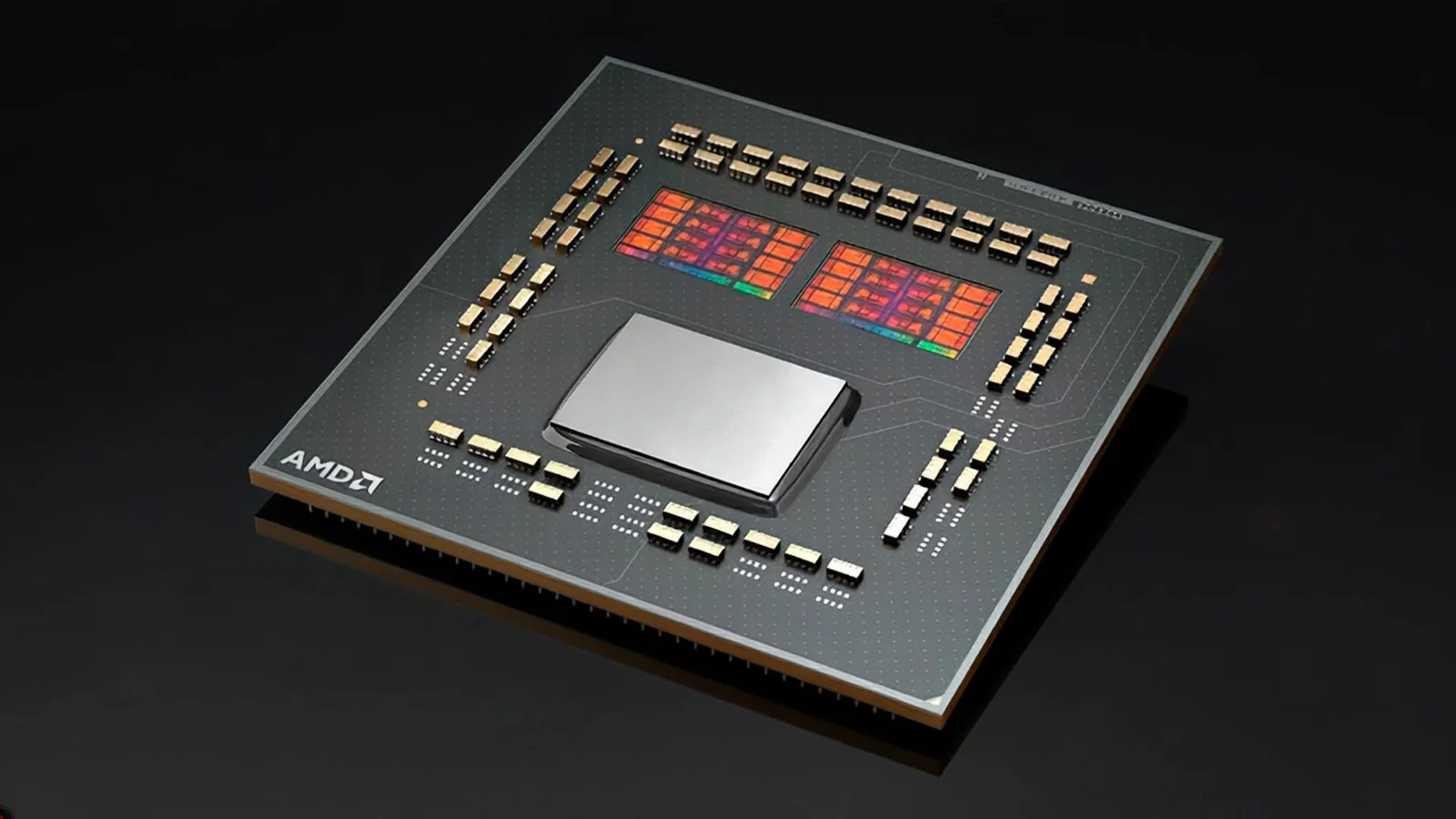
Recent industry reporting highlights artificial intelligence's growing impact on semiconductor manufacturing, focusing heavily on automated chip design workflows and custom silicon development.
Industry discussions feature OpenAI hardware VP Richard Ho detailing the Jalapeño inference ASIC, a co-developed processor with Broadcom. The architecture emphasizes high efficiency and specialized workloads beyond OpenAI's proprietary models.
The semiconductor industry is increasingly exploring how AI models can participate directly in designing the silicon they operate on, utilizing specialized Electronic Design Automation (EDA) frameworks.
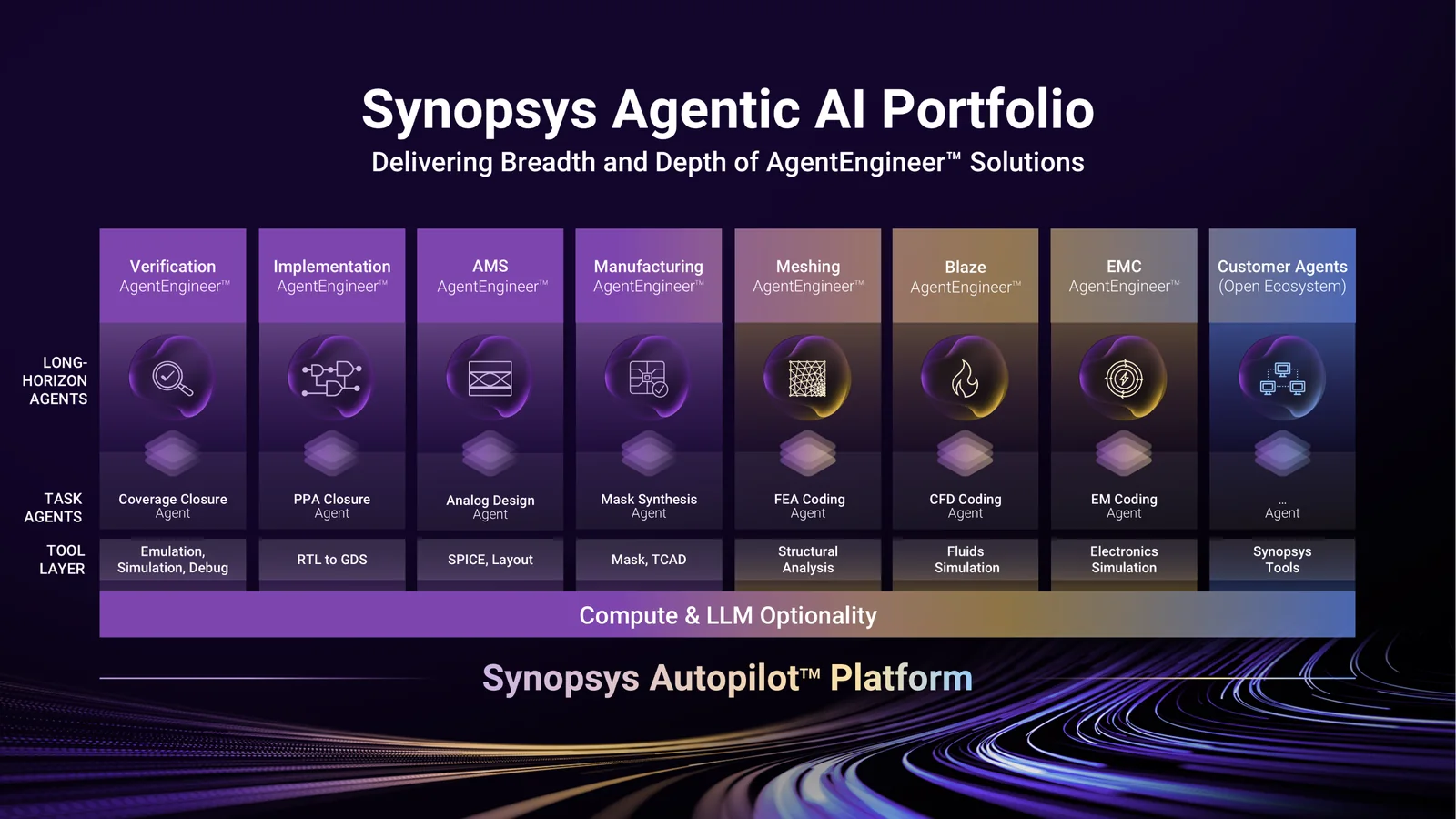
Synopsys has debuted its Autopilot platform for AgentEngineer, aiming to facilitate autonomous chip design workflows by the end of 2026, alongside similar agentic engineering toolsets from Cadence and Siemens.
Silicon is starting to design silicon through advanced EDA tools, transforming traditional semiconductor engineering pipelines.
The state of agentic AI in chip design tools in 2026 highlights autonomous engineer rollouts across major EDA firms.
Synopsys debuts Autopilot platform for developing chips autonomously using AI.
Intellectual Property Risks in Automated Design
The integration of AI into chip creation introduces complex legal and technical challenges regarding patented intellectual property. Experts such as Domenec Forte from the University of Florida and Simon Moore from the University of Cambridge have raised concerns about how automated tools might inadvertently expose or replicate protected IP within the semiconductor market.
In broader semiconductor packaging news, reports indicate Intel has secured a patent embedding MicroLEDs into chip packaging. This approach could potentially enable optical interconnects through through-glass vias (TGVs).
Security Concerns and Open-Weight Models
Security analysts note an increase in sophisticated cyberattacks leveraging open-weight large language models. Adversarial actors across various jurisdictions have reportedly utilized these accessible models to streamline attack methodologies.
Anthropic recently published findings detailing how certain frontier open-weight models, such as Zhipu AI's GLM-5.3, exhibit advanced technical capabilities, including sophisticated hacking features, raising questions about safety guardrails and safeguards.
Blockchain-assisted cyberattacks surge fivefold, driven by state-linked groups utilizing open-weight LLMs.
Anthropic claims popular Chinese AI model has advanced hacking abilities.
AI Agent Safety and Declining Intelligence Costs
To address safety concerns surrounding autonomous agents, Nvidia released the Open Agent Safety Platform in collaboration with multiple enterprise partners. The stack incorporates OpenShell sandboxing and BlueField sentry hardware to monitor, isolate, and quarantine potentially unstable agents.
Concurrently, economic indicators show intelligence costs falling significantly. Data from Epoch AI suggests that the cost of computational intelligence is dropping by nearly 50% every quarter, outpacing historical trajectories like Moore's Law.
Nvidia launches Open Agent Safety Platform to restrain rogue AI agents.
The price of AI is crashing faster than the rate of Moore's Law, report suggests.
Get a full year of access for just $29, or from $7 per-month.
Remember, we're keeping our AI Chip Week articles free to access over the weekend.