Introduction
Apple announced an all-new MacBook Pro laptop with an OLED touchscreen at its event on Wednesday. It starts at $2,899 for the 14-inch model or $3,399 for the 16-inch version, and it is available to preorder ahead of its release on November 6th.
Apple Announces Its First Touchscreen MacBook Pro
Apple has long resisted the idea of touchscreen laptops until now.
Display and Performance
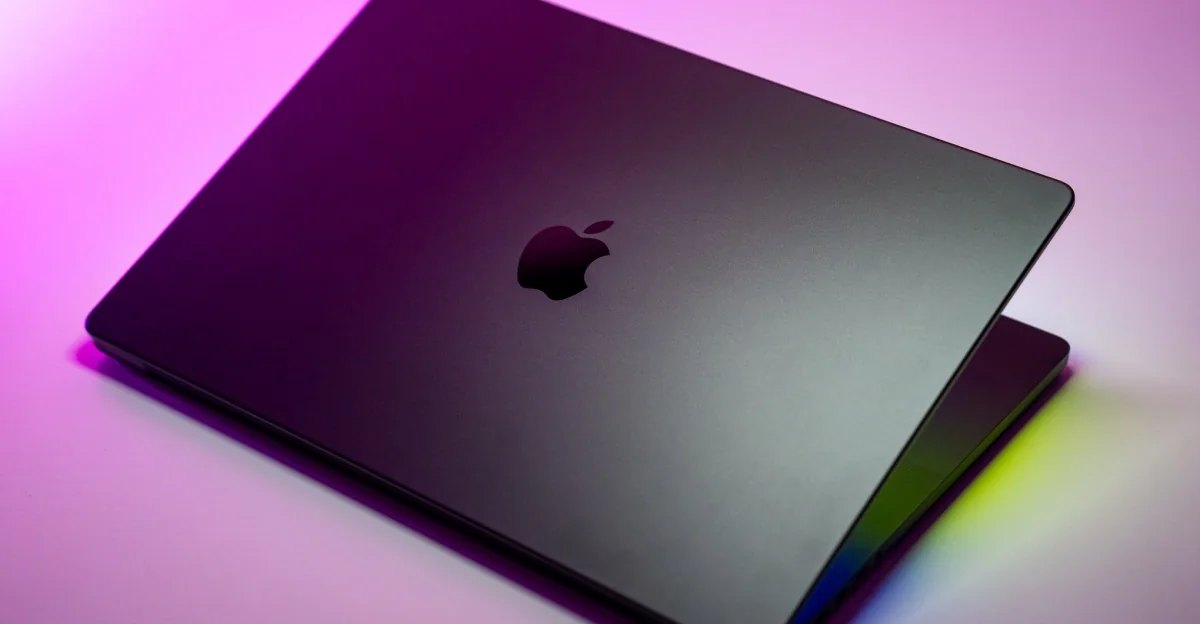
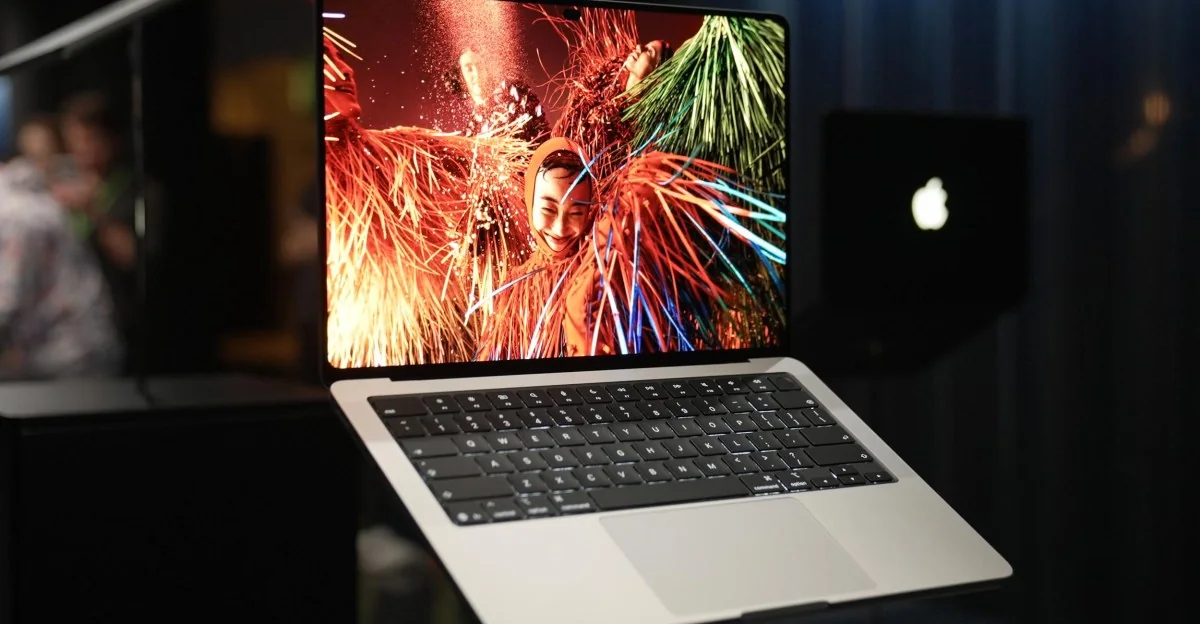
The new MacBook Pro features what Apple calls a PROLED XDR display, which is a tandem OLED screen. It offers up to 2,000 nits of peak SDR brightness, up to a 120Hz refresh rate, and a 10,000,000:1 contrast ratio. It is equipped with M5 Pro or M5 Max chips. There is a Dynamic Island on the screen that can show things like Live Activities, similar to what is available on iPhones, and the glowing Apple logo on the lid has returned.
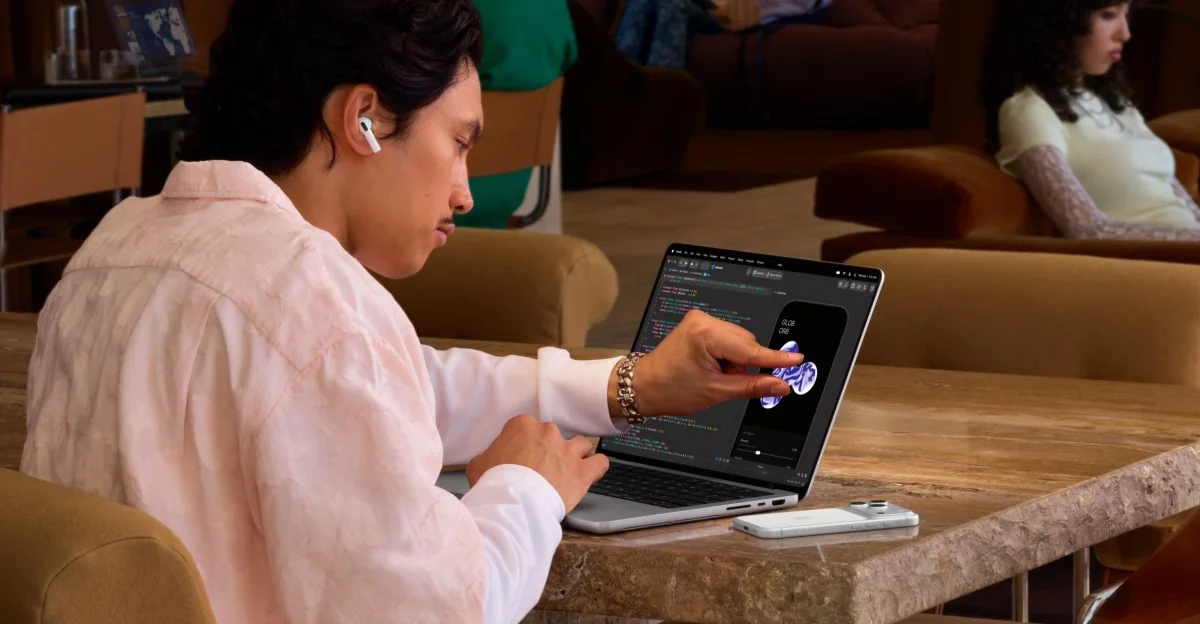
Apple states that the screen touch sensor is built directly into the display panel rather than layered on top, which the company claims reduces latency. Tasks supported include scrolling a webpage, zooming in on a photo, testing iOS and iPadOS apps directly on the display, and playing software instruments on the screen. Apple noted that its apps are optimized for touch and an updated API will let developers add touch capabilities to their own apps.
Design and Specifications
The 14-inch model weighs 3 pounds, and the 16-inch model weighs 4 pounds. Both laptops are thinner, with the 16-inch version nearly a millimeter thinner and the 14-inch version half a millimeter thinner. Screen sizes have increased by slimming down the bezels, resulting in a 14.2-inch screen on the smaller model and a 16.3-inch screen on the larger model.
The laptop offers up to 24 hours of battery life. It includes a MagSafe 3 port, a headphone jack, an SD card reader, an HDMI port, and three Thunderbolt 5 ports. The laptop supports three external displays simultaneously, or four when paired with an M5 Max version.
Apple is also including an enhanced six-speaker sound system offering 50 percent deeper bass and improved sound clarity, alongside a newly designed hinge for better stability.
Apple’s touchscreen MacBook Pro represents a significant shift in the company hardware strategy.
Historically, Apple resisted touchscreen laptops, with former executives previously criticizing the concept of combining tablets and laptops. Apple previously experimented with the Touch Bar on MacBook Pros starting in 2016 before returning to physical function keys with the 2021 redesign and fully dropping the Touch Bar in 2023.