Design and Display
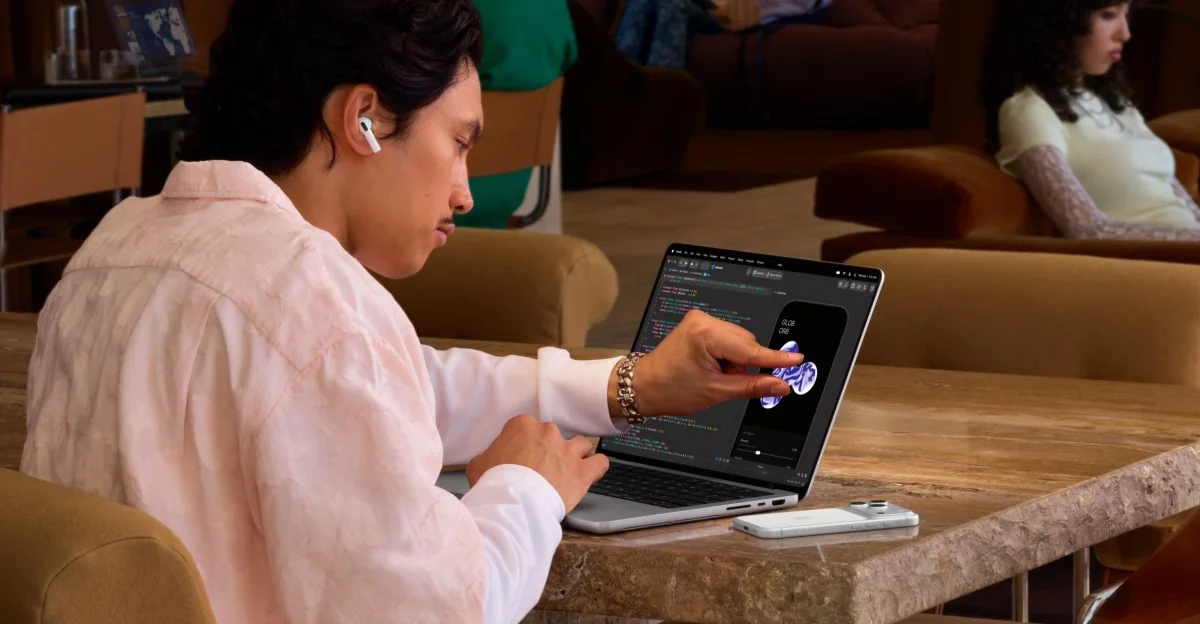
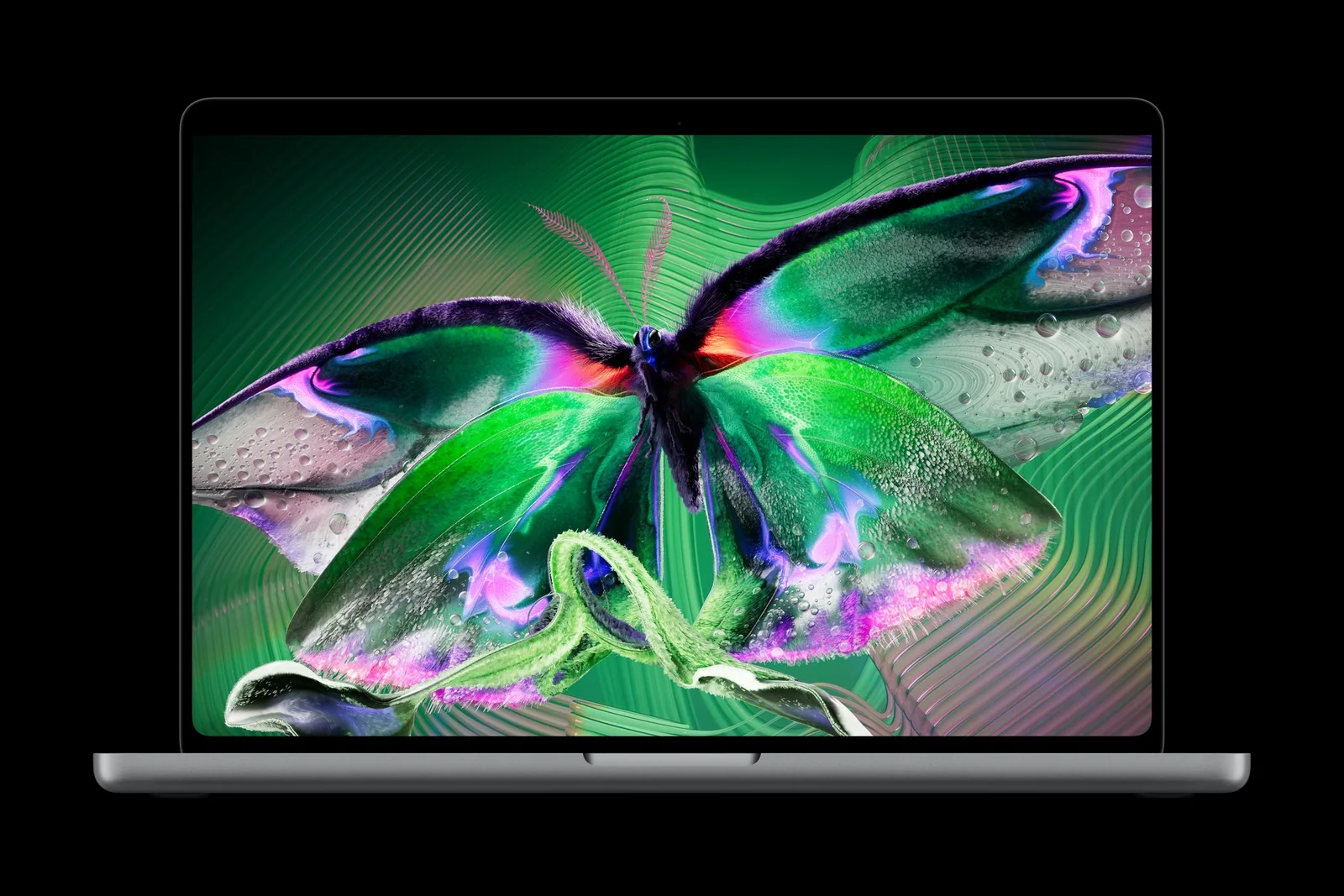
Apple has introduced touchscreen laptops with the unveiling of new MacBook Pros featuring OLED XDR displays that can be controlled with finger inputs.
The 14-inch and 16-inch MacBook Pros are available for pre-order and will ship on Nov. 6. The 14-inch model starts at $2,899, while the 16-inch version begins at $3,399. Both systems utilize Apple's M5 Pro and M5 Max chips, scaling up to 16TB of storage and 128GB of memory.
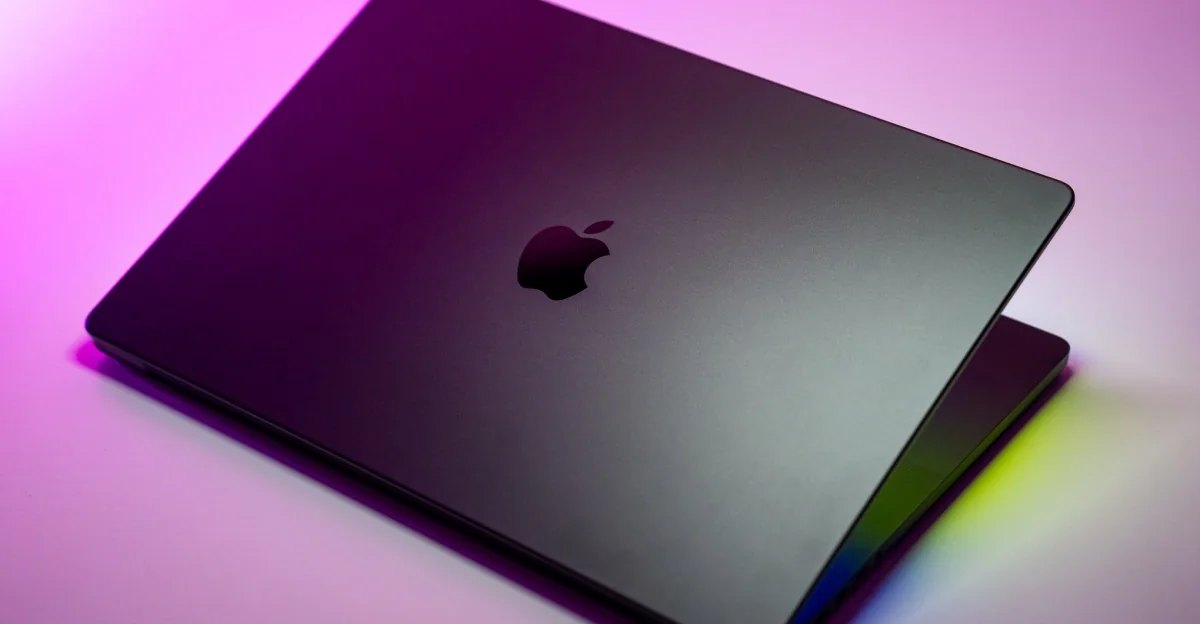
These systems feature the first major redesign for the MacBook Pro lineup since 2021. The updated models include the Dynamic Island around the webcam for real-time notifications and reintroduce light-up Apple logos.
Display Specifications
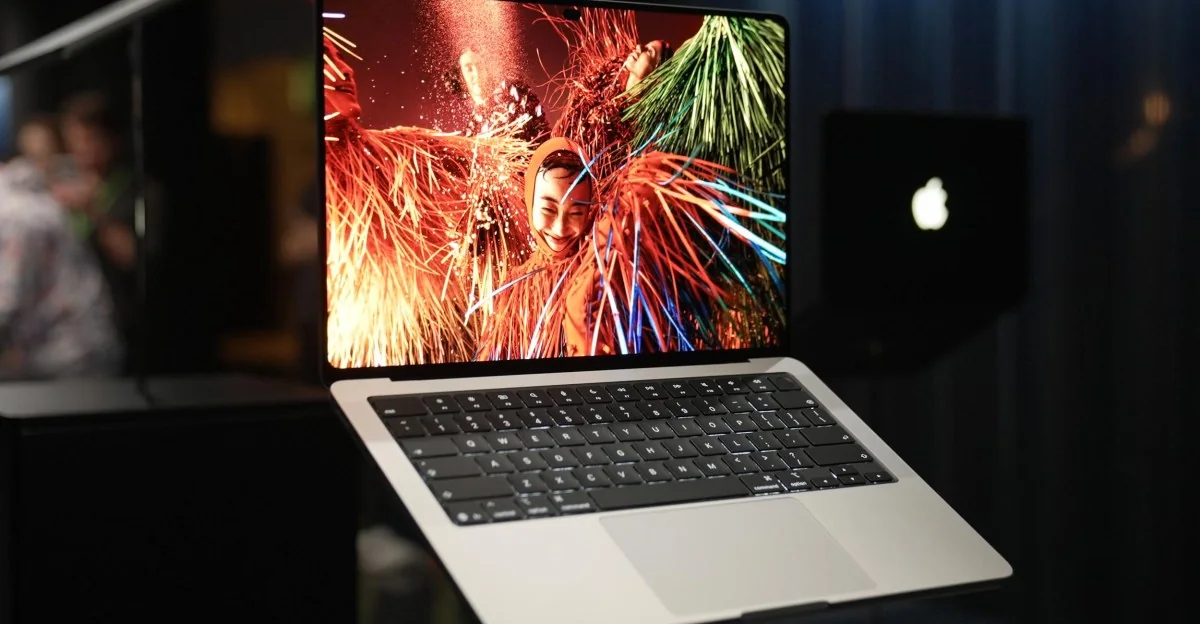
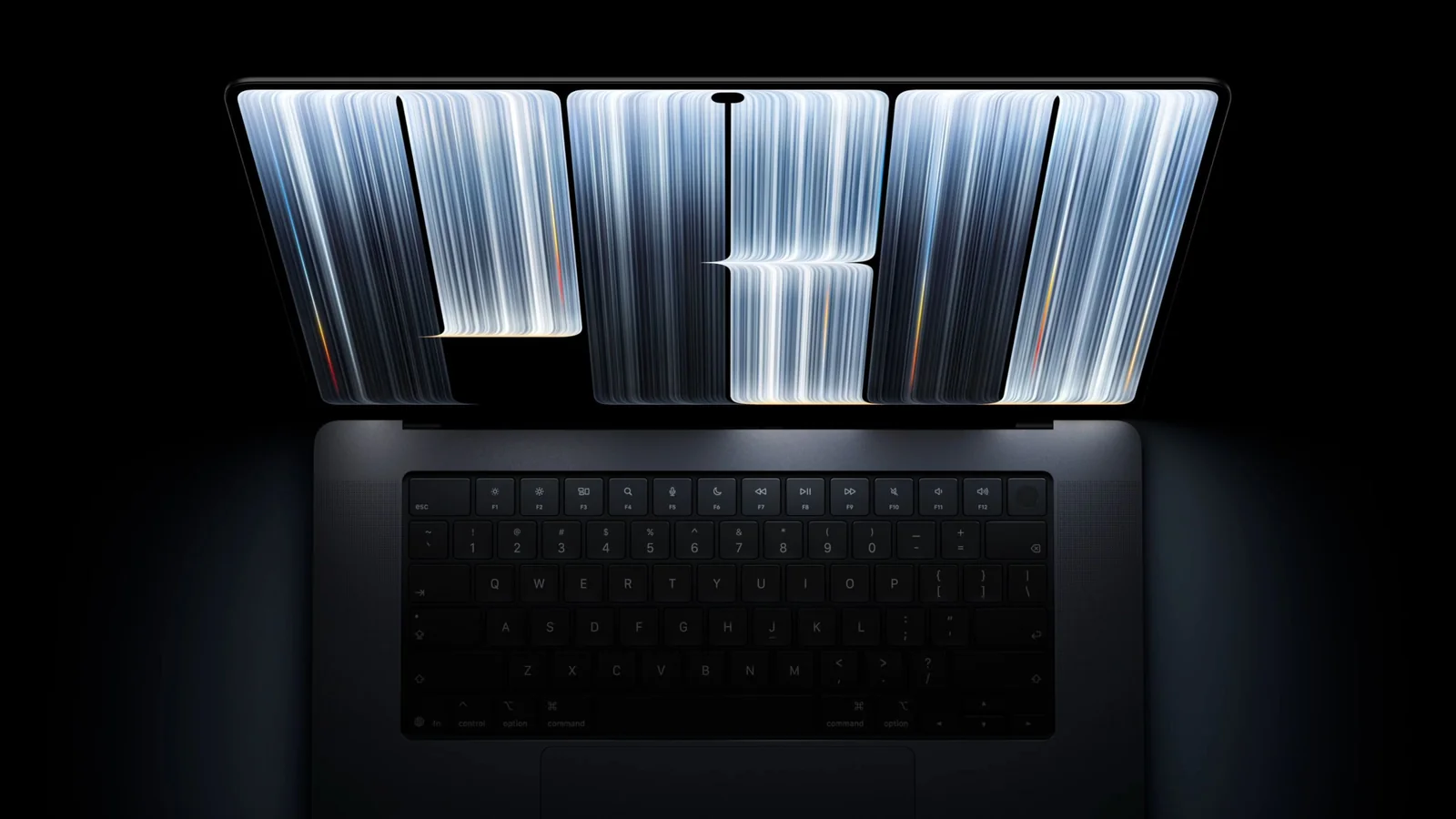
The PROLED XDR display comes in 14.2-inch and 16-inch sizes, supporting ProMotion refresh rates between 10 Hz and 120 Hz. Apple specifies a peak brightness of 2,000 nits and a 10,000,000:1 contrast ratio.
Build and Dimensions
The 14-inch MacBook Pro weighs 3 pounds, about half a pound lighter than the previous version, while the 16-inch model weighs 4 pounds, representing a 0.7-pound reduction. The bezels are narrower, and the hinge has been engineered to minimize screen wobble during touch interaction.
The new laptops feature a slightly thinner chassis compared to their predecessors, with Apple attributing the reduction to the compact OLED display stack.
Software and Touch Integration
Apple's native applications support touch input out of the box, alongside third-party software such as Notion, Canva, Zoom, Microsoft Office applications, Adobe Lightroom, DaVinci Resolve, and Blender.
Audio Improvements
The updated laptops incorporate audio hardware updates promising deeper bass performance and clearer high frequencies through new tweeters, along with dedicated audio tuning for closed-lid usage.
The hardware update follows a series of product introductions under CEO John Ternus, which includes the iPhone 18 Pro, foldable iPhone Duo, Apple Watch Series 12, and an OLED-equipped iPad Mini.
The release marks a strategic shift for Apple, which historically resisted incorporating touchscreens into laptop form factors.
Touchscreens have remained standard on Windows laptops for over a decade, with Microsoft's operating systems optimized for touch-based navigation.