New Architecture for Scientific Computing
At the Supercomputing 2026 conference, Nvidia unveiled the Rubin HPC, a new member of its GPU family engineered to accelerate agentic workflows and complex simulations for scientists, engineers, and analysts.
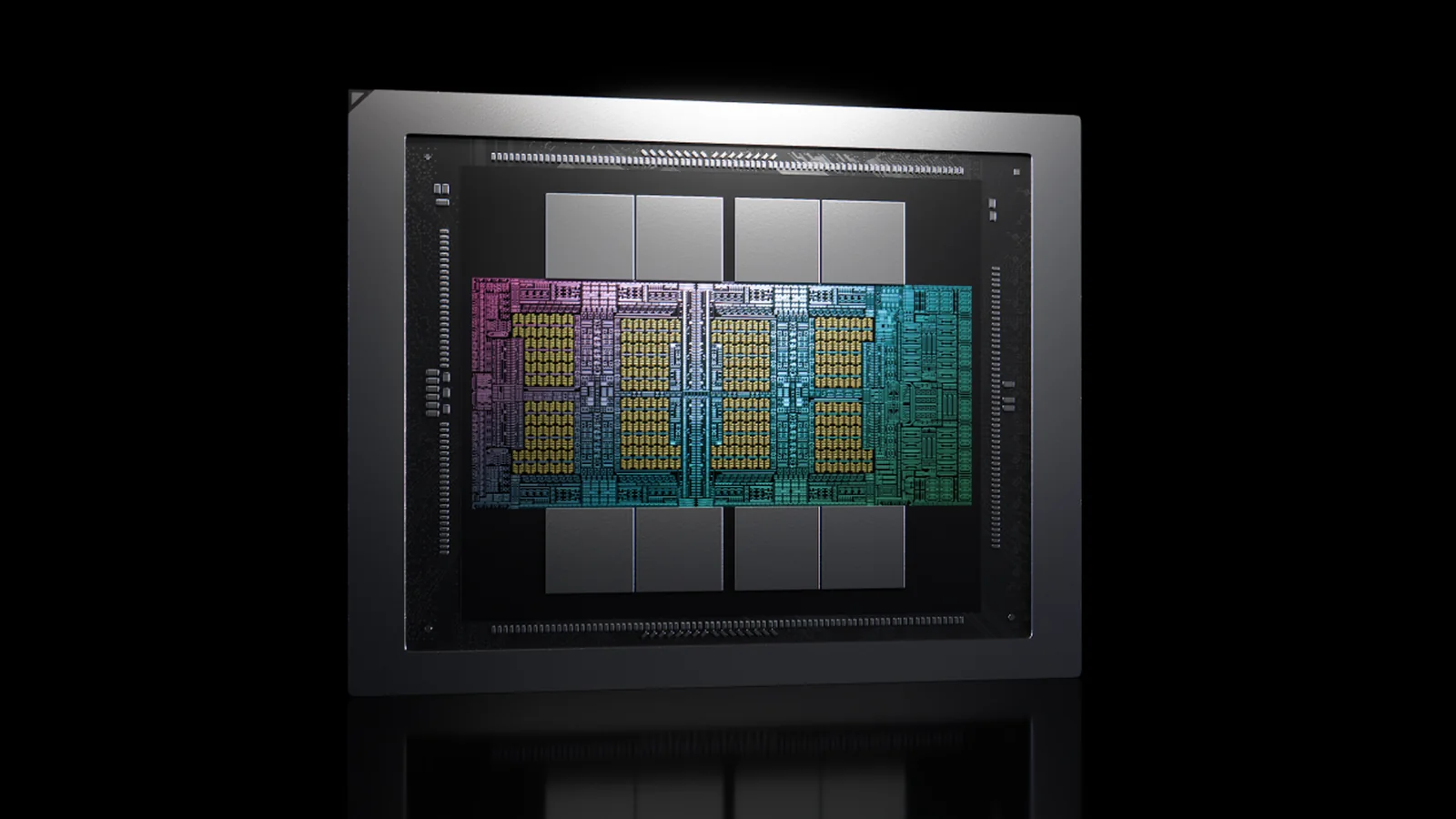
The chip features the highest CUDA core count of any Nvidia GPU to date, exceeding 50,000 cores. This configuration suggests a multi-die architecture, likely utilizing NVLink-C2C technology to link multiple dies within a single package.
While current Rubin GPUs utilize 224 SMs and 28,672 CUDA cores, the significant increase in compute resources for the HPC variant implies a more complex physical layout, though specific details regarding the die configuration remain undisclosed.
Interconnect and Performance
To facilitate data movement, the Rubin HPC utilizes the NVLink 7 interconnect. While specific bandwidth details for the new generation were not provided, the technology is expected to maintain the 3.6 TB/s per-GPU bandwidth established by its predecessor while expanding the scale-up domain.
Nvidia has not yet confirmed HBM capacity or bandwidth specifications, nor has it clarified if the architecture includes a rebalancing of compute resources to prioritize native FP64 performance.
Applications in Research
The company is positioning the chip for fields such as climate research, genomic analysis, and financial simulation. By utilizing a balanced design that pairs high compute density with efficient data movement, Nvidia aims to minimize idle compute cycles and improve overall utilization for large data sets.
Researchers can leverage CUDA-X domain-specific libraries to optimize performance, potentially tightening the loop between hypothesis, simulation, and refinement.
Nvidia has announced that the Rubin HPC GPU is scheduled for release in 2028.