Introduction
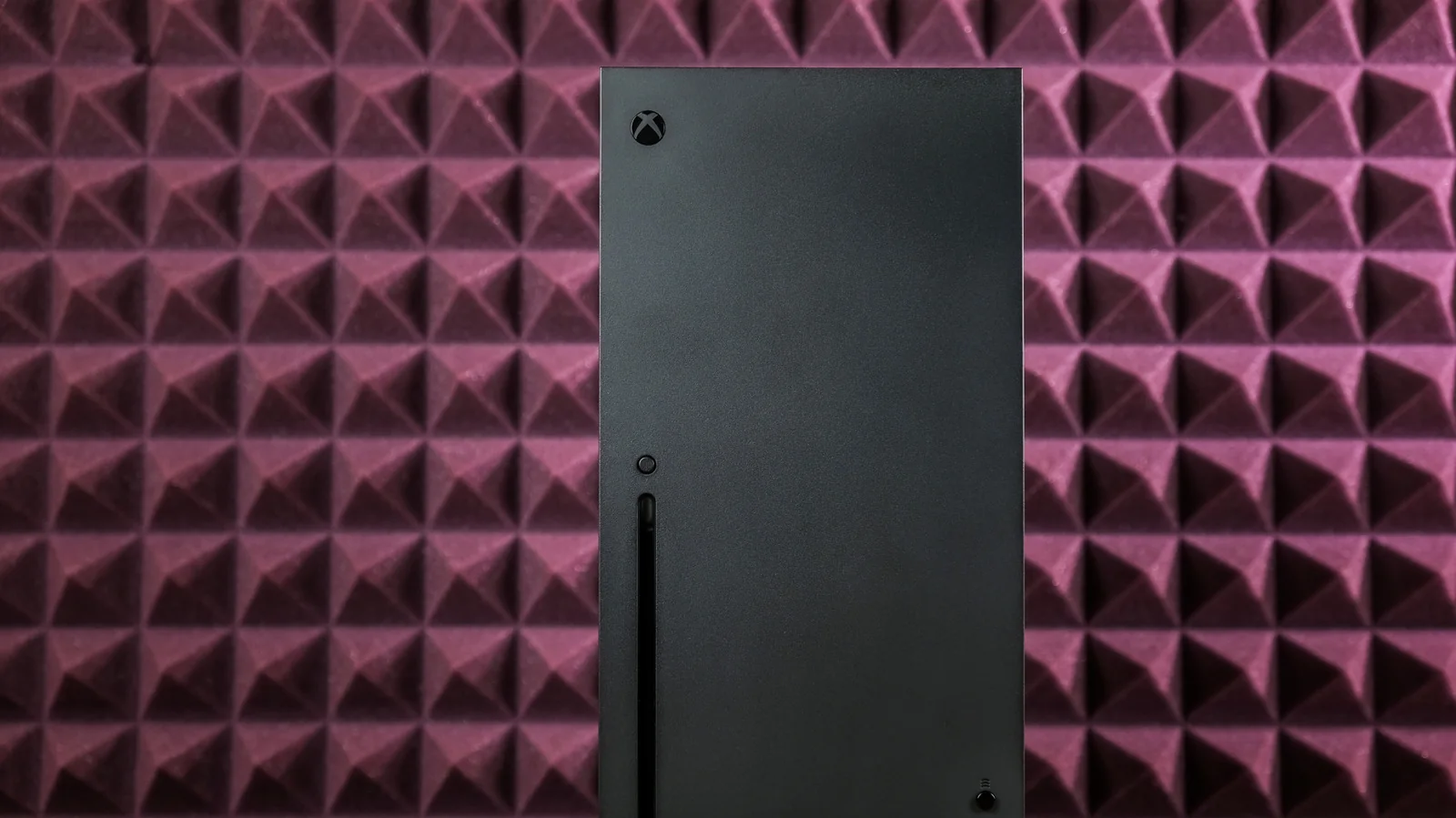
The Xbox Series X can still provide solid value, but you should understand what you're getting six years in.
Introduction
This has been a pretty grim console generation for Microsoft, between hard-to-swallow Game Pass price hikes and studio closures. You can expect an Xbox Series X to last years if you look after it properly, but should you even buy one in the first place?
Introduction
Considering it's never been more expensive to pick up a Series X, the console is easily overpowered by Sony's PS5 Pro, and you can play pretty much every Xbox game of the current generation on PC, it doesn't look like a great time to buy an Xbox Series X. Let's get into the negative factors you need to consider before taking the plunge on Microsoft's console.
Higher Pricing
The market forces that have seen Xbox Series X prices skyrocket lately make it much less financially appealing than the hardware sold back in 2020. So much of the reasoning behind console costs is down to global firms' desire to quench the insatiable memory and storage thirst of AI data centers.
Higher Pricing
When the Xbox Series X first shipped for $499 in November 2020, it looked like a relatively good value. Here was a small, 4K/60 fps capable box that could do ray tracing. Compared to the launch of its predecessor, the Series X looked destined to become a sales success.
Average Xbox Series X prices range anywhere from $725 to $900 depending on storage configurations. The 1TB disc-based model generally sells for around $799, while the digital-only model is $750.
For those with plenty of disposable cash, the investment could still be worth it. The Xbox Series X is the second most powerful console on the market, and a terrific gaming machine. Yet in the current financial climate, a substantial price increase makes it a much harder sell, especially for aging hardware.
For those with plenty of disposable cash, the investment could still be worth it. The Xbox Series X is the second most powerful console on the market, and a terrific gaming machine. Yet in the current financial climate, a 60 percent price increase makes it a much harder sell, especially for aging hardware.
Xbox Game Pass isn't as good a value as it once was
There was a time when Xbox Game Pass represented tremendous value. When it launched in June 2017, it cost $9.99 per month and granted access to a library of over 100 Xbox One games. The higher-tier Xbox Game Pass Ultimate launched in June 2019, costing $14.99 per month before escalating significantly in later years.
Following price fluctuations and adjustments driven by subscriber feedback, Microsoft established varied subscription tiers with differing perks, restricting day-one releases to the most expensive subscription options.
Other Game Pass tiers do not offer the same value as the original service. Essential and mid-tier packages provide access to limited catalogs without day-one releases, requiring users to pay for Ultimate if they want immediate access to major brand-new titles.
The Ultimate tier has also experienced feature cutbacks, such as limits introduced on cloud streaming hours, requiring users to purchase additional time if they exceed monthly allocations.
If you play enough, you can still get your money's worth from Game Pass, but the calculus has changed for casual users.
You can play all the best Xbox games on PC
For hardcore gamers, there have always been compelling reasons to own a capable Windows gaming PC over an Xbox Series X. That's because a powerful rig is currently an effective way to experience modern Microsoft titles.
Providing you own a decent gaming laptop or PC, you can play over 300 titles with PC Game Pass for a lower monthly fee. This includes day-one Microsoft exclusives. The PC and Xbox Game Pass libraries do not match exactly, but Steam and other storefronts offer alternative avenues for games.
Xbox Series X isn't as powerful as PS5 Pro
The PS5 Pro is significantly more powerful than the Xbox Series X on the GPU front. Microsoft's console has 12.15 TFLOPS of GPU power compared to the PS5 Pro's 16.7 TFLOPS, while both support ray tracing thanks to custom AMD RDNA architecture. As for processors, both utilize AMD Zen 2 chips with 8 cores and 16 threads, with the Pro running at a slightly higher clock speed.
While the PS5 Pro holds a clear graphical rendering advantage that allows it to run games at higher resolutions, there is less difference between their processors, meaning open-world, CPU-intensive games often perform similarly on both systems.
High demand for upcoming blockbuster titles has driven up secondary market prices for alternative consoles, affecting overall market availability.
Enhanced upscaling technologies like Sony's PSSR give competing hardware advantages in visual fidelity, though frame rate limitations remain common across both platforms for demanding software.