Overview
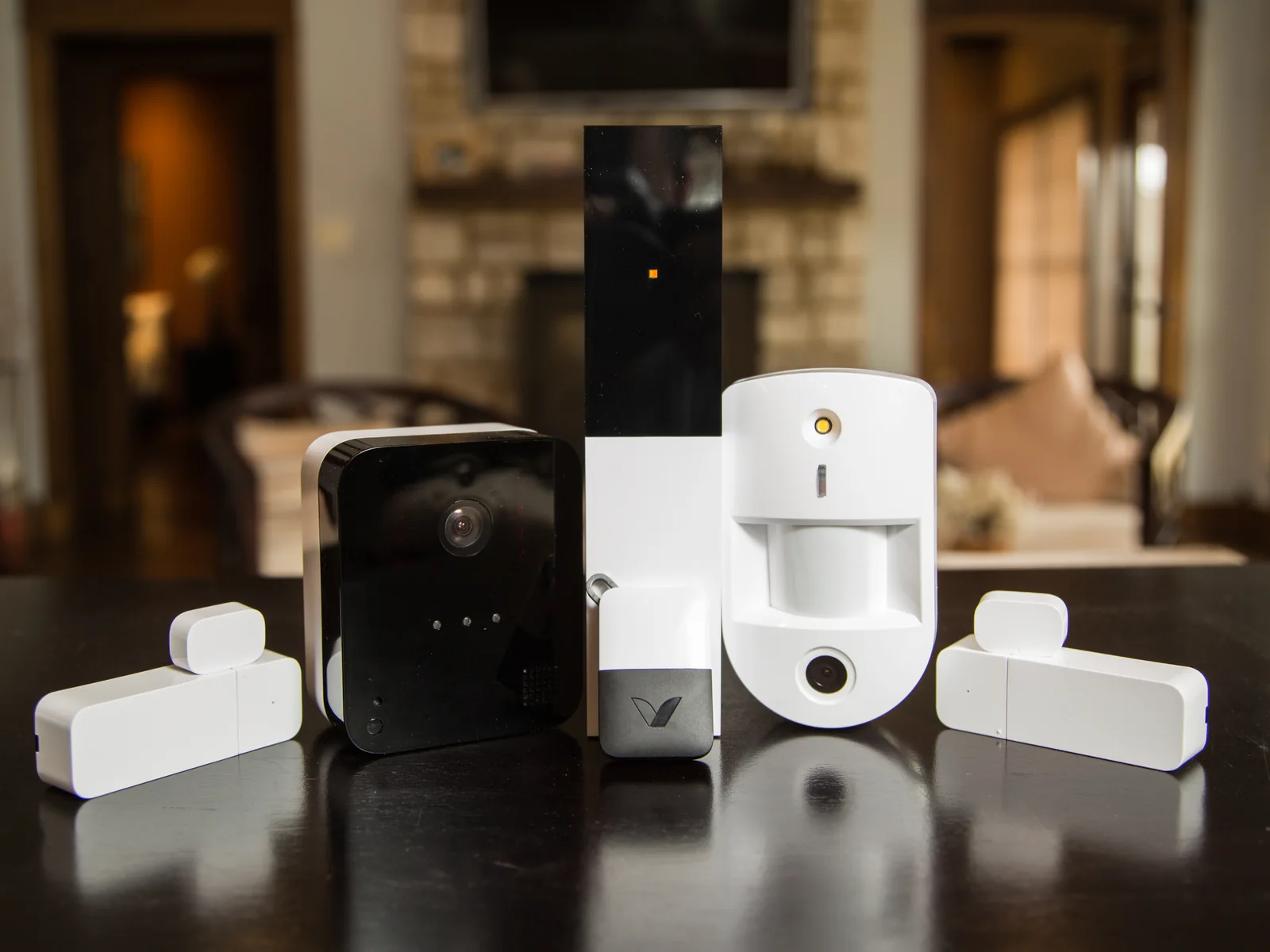
The Abode home security starter kit, priced at $219 for the four-piece version, stands out for its strong embrace of third-party platforms and devices, including Google Home, Apple HomeKit, Amazon Alexa, and Sonos. This makes it a suitable system for integration into existing smart home ecosystems. The accompanying app is intuitive, simplifying system customization.
The Abode system offers an exceptionally fast setup, with sensors connecting to the hub quickly and easily, streamlining the installation process, though the standard hub does require an Ethernet connection.
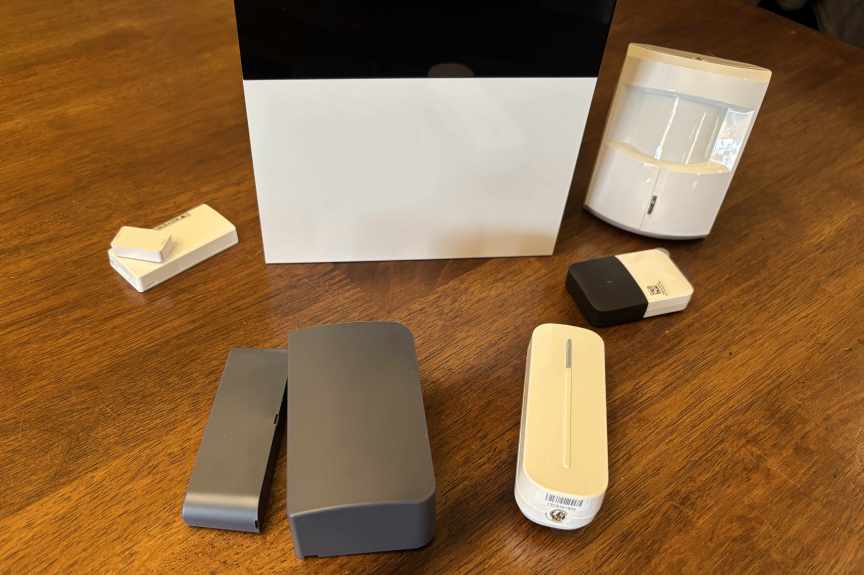
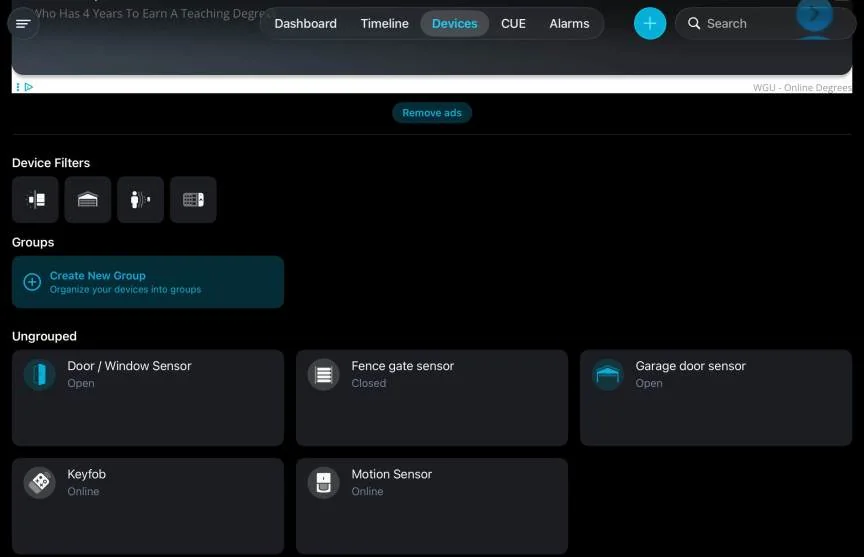
In 2026, Abode introduced two new sensors: a garage tilt sensor to monitor garage door status and an outdoor access sensor for fences, gates, and sheds, enhancing the system's utility. Overall, Abode's quick setup, optional monitoring services, reliable performance, and smart integrations position it as a highly appealing DIY security system.
Kit Contents and Expansion
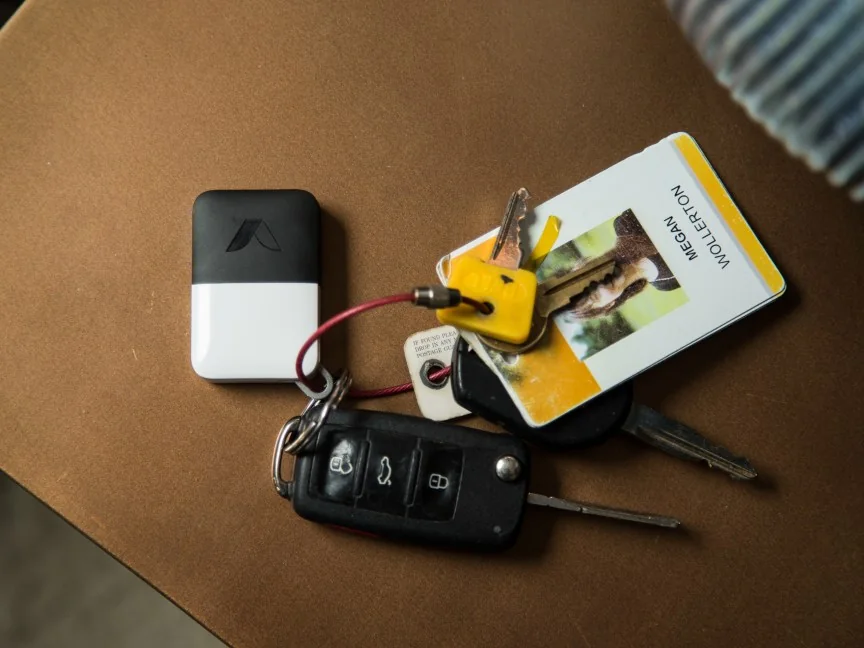
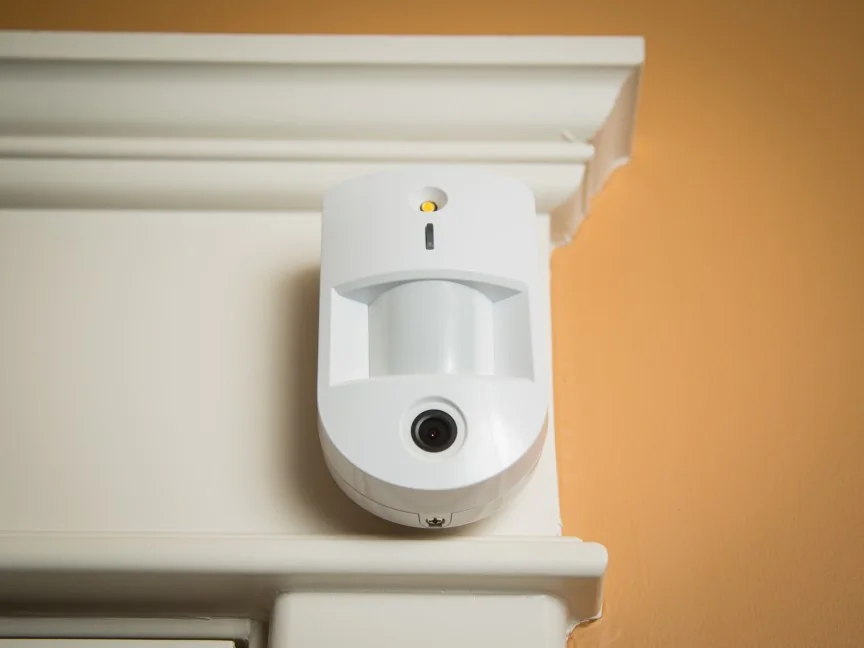
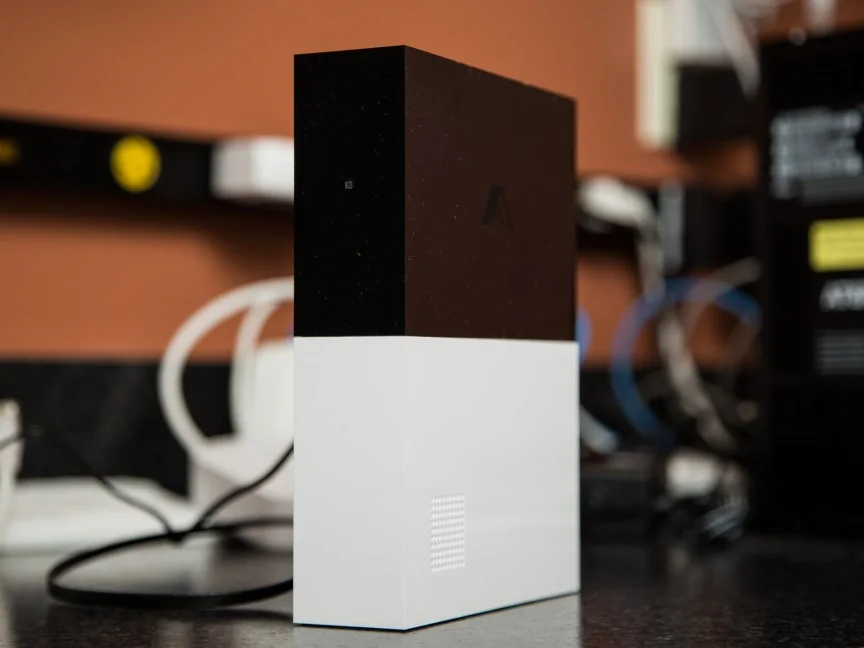
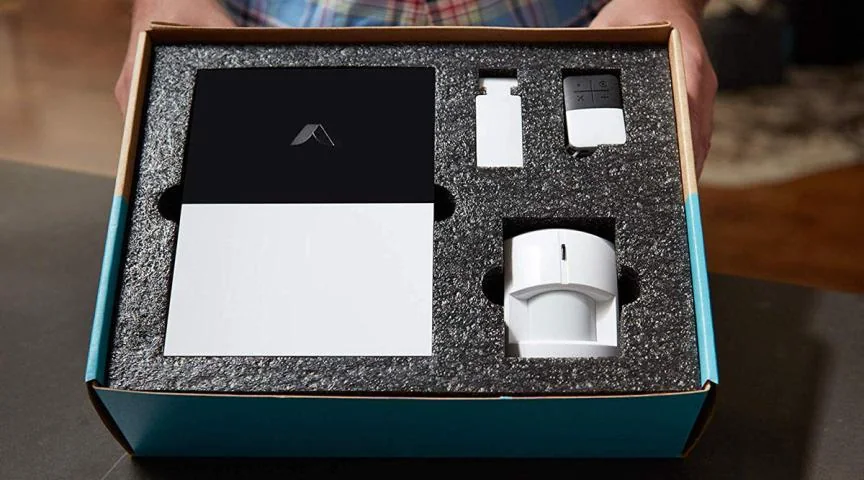
Setting up the Abode starter kit begins with its dedicated app, available for Android and iOS. The starter kit typically includes a hub, door/window sensors, a motion detector, and a key fob. The hub connects to a Wi-Fi router via an included Ethernet cable and power adapter, supports select Z-Wave and ZigBee devices, features a 93-decibel siren, and has a 12-hour backup battery.
Sensors can be installed using either adhesive or screws. Abode also offers additional accessories such as a wireless doorbell ($150), cameras (starting at $35), and a smart lock ($135), which are sold separately. The latest additions include a garage tilt sensor ($35) and an outdoor access sensor ($50), which can be added to the system at any time.
Setup Experience
The Abode hub requires a quick activation code input and engaging the backup battery. A significant caveat is that the standard hub must be continuously connected to a router or modem via an Ethernet cable. This requirement can pose installation challenges depending on the router's location and available outlets, potentially necessitating additional cable routing.
The absence of built-in Wi-Fi support for the standard Abode hub is a notable drawback, especially given current industry standards. An upgrade to the Abode Iota hub, which includes Wi-Fi and a built-in camera, is available but at a higher price point exceeding $400. Despite this, the lack of alternative Wi-Fi options is one of the few significant criticisms of the system.
Once the hub is operational, device setup is remarkably straightforward and fast. Sensors automatically connect to the hub and activate almost instantly upon battery tab removal, allowing for installation in mere seconds once their placement is decided.
System Performance and Automation
After installation, the Abode sensors and key fob demonstrated reliable performance without any reported bugs or accuracy issues. They accurately and immediately switched states, triggering app alerts based on configured settings. Users can also opt to receive email notifications for specific activations. While the hub's beeping upon sensor activation can be muted via the app, the source reviewer found it initially annoying.
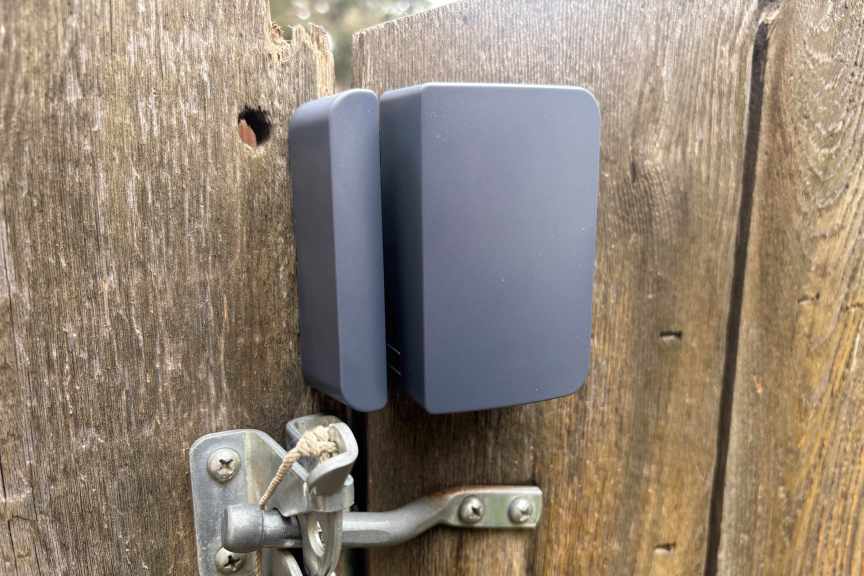
The outdoor sensor requires a slightly more involved installation process due to its screws and additional housing. The design of its plastic base, with tough punch-out tabs for screws, could be improved, requiring careful handling during installation.
Arming and disarming the system proved responsive, whether using an Amazon Alexa device, the key fob, or the app. The source reviewer successfully created an IFTTT rule to activate interior entryway lights via compatible Lutron switches upon front door opening, which functioned effectively.
The system's auto arm and disarm function, which can be linked to phone location and other rules, also performed as expected. Throughout these operations, the Abode app maintained its intuitive and easy-to-navigate interface.
Camera testing for this kit was conducted with an earlier version of Abode’s camera, which performed well in reviews. While Abode cameras do not support Apple HomeKit, the Abode video doorbell offers some compatibility with Alexa and Google Home.
Home Automations
A key strength of Abode is its extensive connectivity with other smart home platforms. Beyond successful integrations with Alexa and Lutron devices, Abode supports Google Home, Ecobee, Bose, Sonos, Apple HomeKit, and more, significantly expanding potential automation routines.
While full compatibility with every device across these platforms cannot be confirmed, the source review indicates that Abode adds numerous options for creative automations. Examples include unlocking a smart lock when a specific sensor (like a garage door sensor) activates, or turning on smart lights when an entryway motion sensor detects movement.
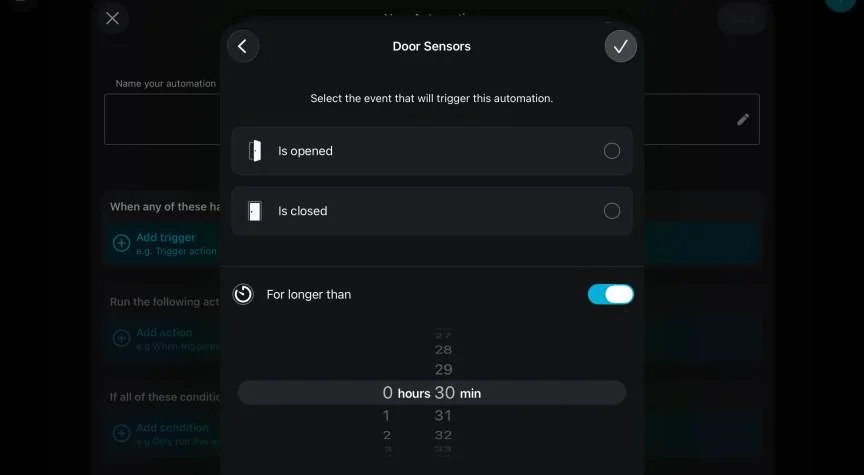
Rules for these automations can be configured through Abode’s CUE tool, allowing users to limit their operation to specific times or days, or to set delays for alerts and automations after a sensor activation. This approach offers greater flexibility compared to many other security systems.
Monitoring Plans
In 2026, Abode offers three primary monitoring options: a Free plan, a Standard plan ($8.50 per month), and a Pro plan ($27 per month). The Free plan provides live video, Apple HomeKit integration, and support for platforms like Amazon and Google. The Standard plan adds alarm forwarding to a monitoring center, an event timeline, and enhanced camera features such as AI detection for people and packages, along with rich notifications.
The Pro plan further includes automatic alarm forwarding to a monitoring center, cellular backup for power outages, and free shipping. Abode’s subscription options are competitive, offering a more robust no-subscription tier compared to some competitors like SimpliSafe. Paid subscriptions are most beneficial when integrating a camera into the system.
Abode provides excellent third-party platform support and an effective app, though it does feature ads, particularly without a subscription. Its setup speed is notable, with sensors connecting instantly to the hub. However, the standard hub's requirement for a constant Ethernet connection is a drawback for certain router configurations and is somewhat outdated. Despite this, the system generally functions very well.
The system allows for future expansion with additional Abode devices, such as temperature sensors, flood detectors, and cameras, or approved Z-Wave and ZigBee devices. The flexibility of not requiring a monthly fee and its compatibility with Alexa, IFTTT, and Nest are significant advantages for those considering a versatile DIY home security setup.