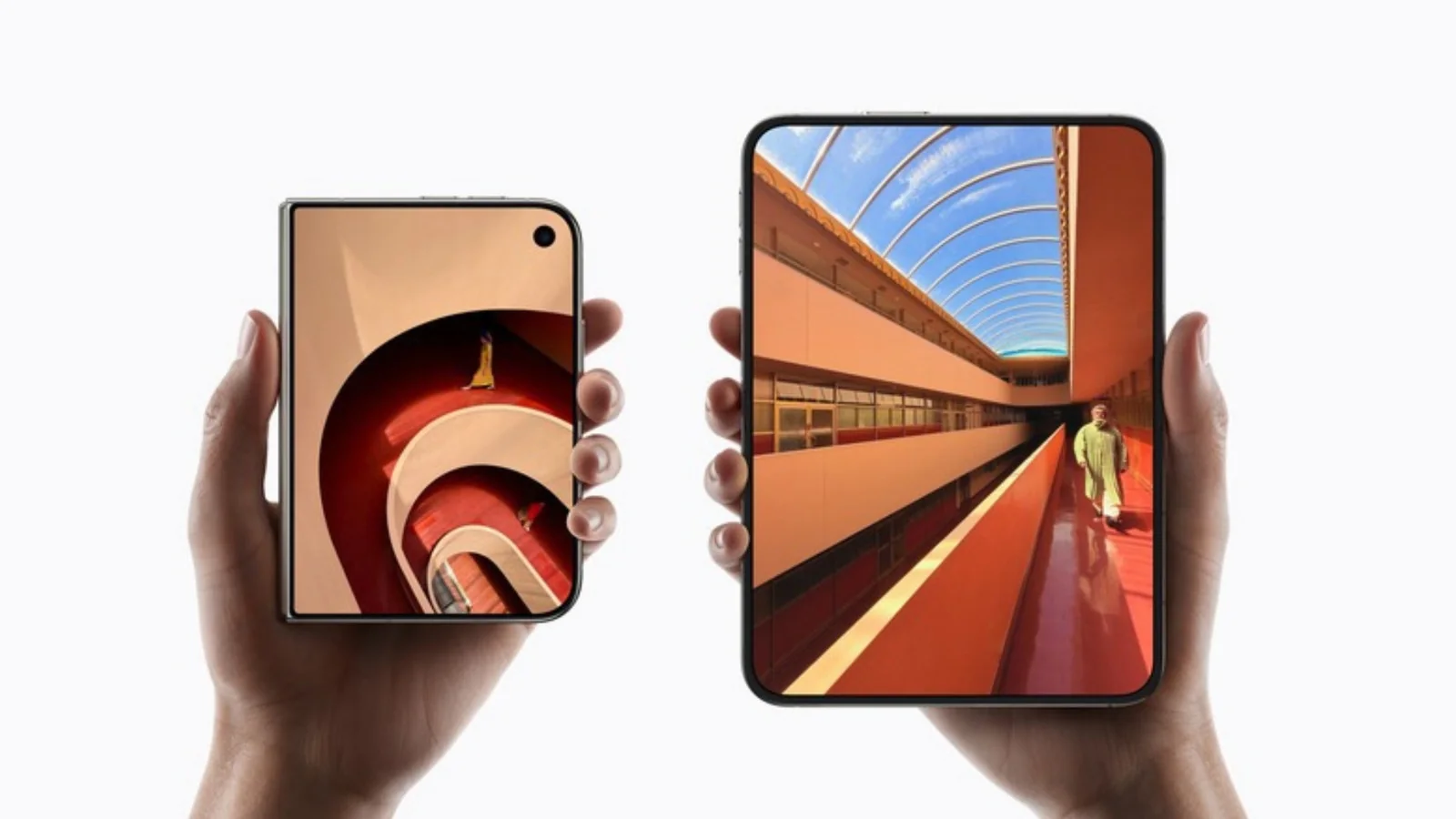
The Evolution of Foldables
Are foldables finally ready to go mainstream?
The Evolution of Foldables
Technological advances often come with growing pains. This is no less true of phones. The 1984 brick phone required users to carry over 1.7 pounds of weight for only half an hour of talk time, at a hefty price tag of $3,995. Foldable phones are not so troublesome, but early models presented significant pocketability and design hurdles. Still, the moment when the phone unfolded and the screen adjusted to the larger size was as awe-inspiring back then as it is now.
The Evolution of Foldables
Today, newer models demonstrate how far foldable technology has reached. Devices including recent Pixel and Galaxy Fold iterations have propelled the technology forward. Even Apple has decided to enter the market with the iPhone Duo launch. Suddenly, the future uptake of foldable phones is almost a certainty, though it would not have been possible without the long list of breakthroughs and failures that came before it.
Early Stumbles
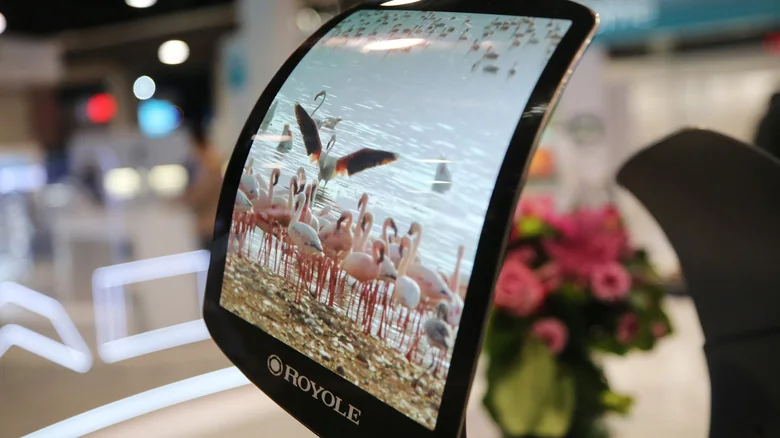
Trend pieces declared 2019 the year of the foldable. The first device to make a splash was the Royole FlexPai, presented at CES 2019 as the world's first commercially available foldable smartphone. While it captivated audiences momentarily, early reports found it rough around the edges, strangely sized, and janky. Regardless, it demonstrated that flexible OLED could ship in a real product.
Early Stumbles
Later that year came Samsung's first Galaxy Fold, kick-starting a series of challenges. Despite a high price near $2,000, reviewers complained that screens broke easily after users peeled off a protective plastic layer. This fragility forced Samsung to delay the public launch and recall units to re-engineer the product, highlighting the importance of hinge durability and screen resistance.
Huawei's Mate X, presented at MWC 2019, folded outward instead of inward using a single display wrapping around the exterior. While elegant, the screen scratched easily. Subsequent models quickly shifted to the inward fold introduced by Royole and Samsung, showing that different does not necessarily mean better.
The Android maturity years
The years between 2020 and 2025 gave way to an avalanche of foldable phone models pushed by Android manufacturers. Almost every phone released over these years came with a significant advance, making the foldable format viable.
Makers initially focused on protecting screens against pressure, water, and dust. Samsung introduced ultra-thin glass in 2020, followed by IPX8 water resistance in 2021. Competitors steadily improved dust resistance, minimized hinges, and reduced device thickness over successive generations.
Pricing was another essential element. Clamshell phones like the rebooted Motorola Razr and more affordable Galaxy Flip variants brought prices down to regular flagship levels, making foldables more accessible.
Apple comes to town
Can Apple make the final push that takes foldable phones into the mainstream? Historically, Apple waits until early technical hurdles are resolved before entering and disrupting a market.
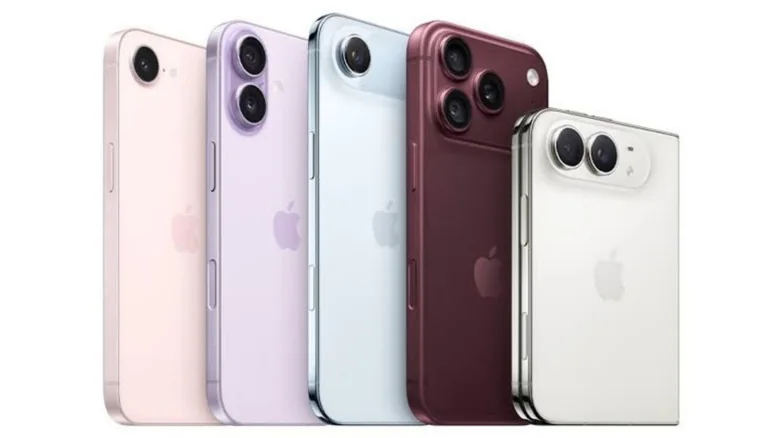
The announcement of the iPhone Duo arrived after crease problems had largely been addressed. Featuring a passport-sized folded footprint, an internal display, and an external screen at a starting price of $1,999, the device has generated significant sales expectations and highlights a potential turning point for foldable adoption.