Hardware and Lifespan Overview
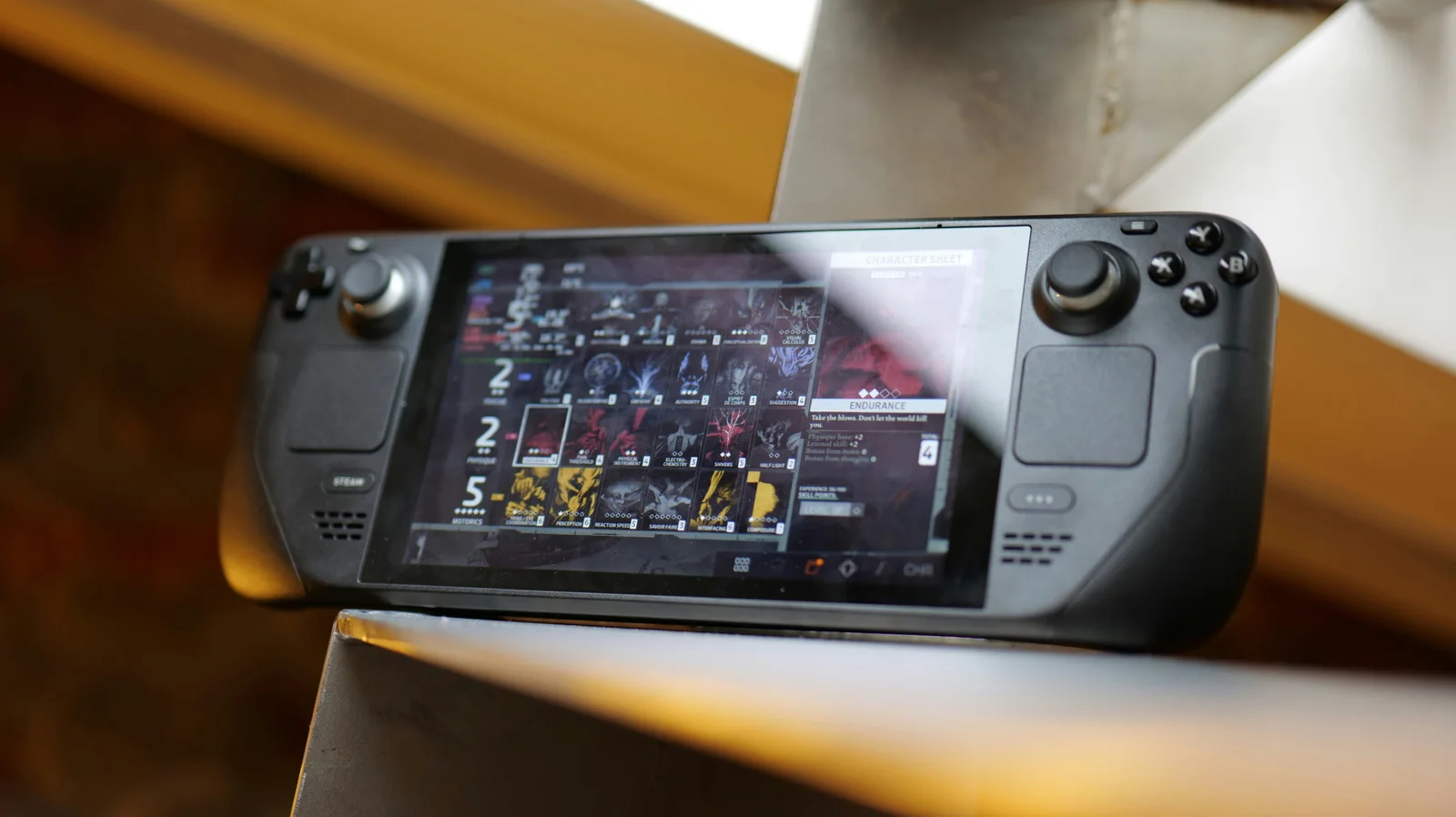
The OG Steam Deck is starting to feel aged, but depending on your preferences, it can have a lot of life left.
Hardware and Lifespan Overview
Rumors of a Steam Deck 2 continue to buzz, even as supply pressures have hit the current model and likely means its eventual successor will cost much more. Hype about a tech product's next-gen replacement tends to reflect, and instill, a sense that the current model is growing long in the tooth. If you have an original Steam Deck LCD, how much longer can you expect the device to last? That, of course, doesn't have a single answer.
Hardware and Lifespan Overview
The original Steam Deck offered something that felt fresh in 2022: a PC gaming handheld that could run everything from old favorites to many newer AAA releases. Four years later, the handheld PC market it spawned has grown considerably, with newer devices pushing boundaries that the original Deck can't keep up with.
Hardware and Lifespan Overview
But that doesn't mean the OG Deck isn't still a terrific, well-balanced gaming portable. Despite its growing inability to handle the most demanding games, it's a device that, at least in theory, should keep you happy for some time. The biggest questions are parts longevity and how long you're willing to accept compromises.
Repair and Maintenance
Battery wear is one of the most likely reasons your Deck will eventually need some TLC. Although self-repair is possible, iFixit rates the procedure as difficult thanks to the battery being firmly glued in place. If you want to go the DIY route, watch multiple videos first to decide whether it's something you're comfortable with.
If you're less mechanically inclined, Valve's support team is the next step. Start a ticket to find out how much a repair will cost you, then weigh that against the cost of a new gaming handheld. Given how much newer hardware alternatives have increased in price, paying Valve to fix your original Steam Deck may be the better move.
Battery availability caused some concern when third-party suppliers noted shifts in part stocking. However, Valve committed to keeping supplies available, and alternative replacement options exist in the market. Valve hasn't made long-term commitments for other components, including the screen.
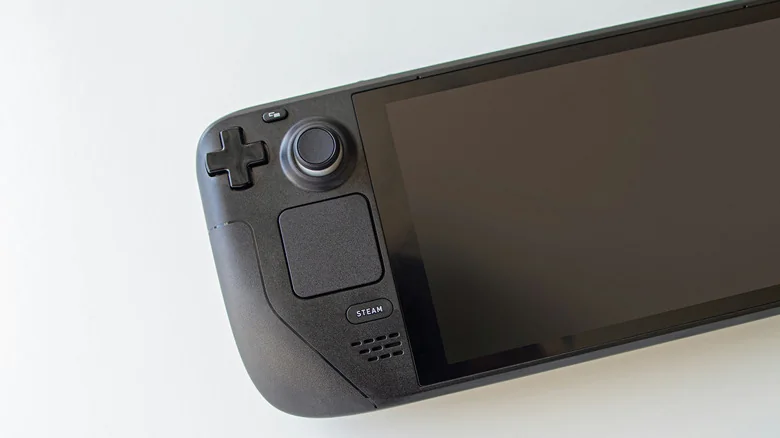
If other hardware fails, self-repair may be easier. In case you run into drift or other thumbstick problems, the sticks themselves are relatively easy to replace with no soldering required. Once you're inside, other components can be swapped out with enough know-how: the Deck's SSD is removable with a single screw, and the fan pops out with a few more screws. Triggers, button input boards and the display take a bit more work, with the USB-C and microSD ports joining the battery as the hardest components to swap out.
If your Deck has a hardware failure, several options could be better than buying an expensive new handheld. Don't immediately write it off as the end of the line.

The software side is in better shape
Valve no longer sells the original Steam Deck LCD, but it still supports the device with software updates. In fact, that handheld runs the same software as the Steam Deck OLED, so the OS front will likely be fine for the foreseeable future. Plus, the portable is now part of a larger ecosystem, giving Valve extra incentive to keep its software platform running smoothly.
The Steam Deck's processor, GPU and 16GB of RAM likely put a lower ceiling on its longevity than Valve's support. Though the Steam Deck struggles with demanding modern games, the platform is ubiquitous enough that many developers still go out of their way to optimize their games for the handheld. There's a wealth of supported games, and many developers will likely continue that practice for the foreseeable future.
That gives the original model some breathing room. And even as the list of unsupported new releases grows, there are still indie titles, retro games and older AAA titles to give you plenty to play down the line. Plus then there's streaming from a PC or cloud service. Unless your gaming tastes lean toward the latest GPU-intensive releases, you're likely to face battery or other hardware problems before you run out of fun titles.
So how long will your Deck stay useful? Roughly speaking: for indies, older games and emulation, years more. For new AAA releases, that window is already closing fast.